Entertainment
Lush Life Dance: The Complete 2026 Guide to the Viral Dance Trend, Choreography, and Social Media Popularity

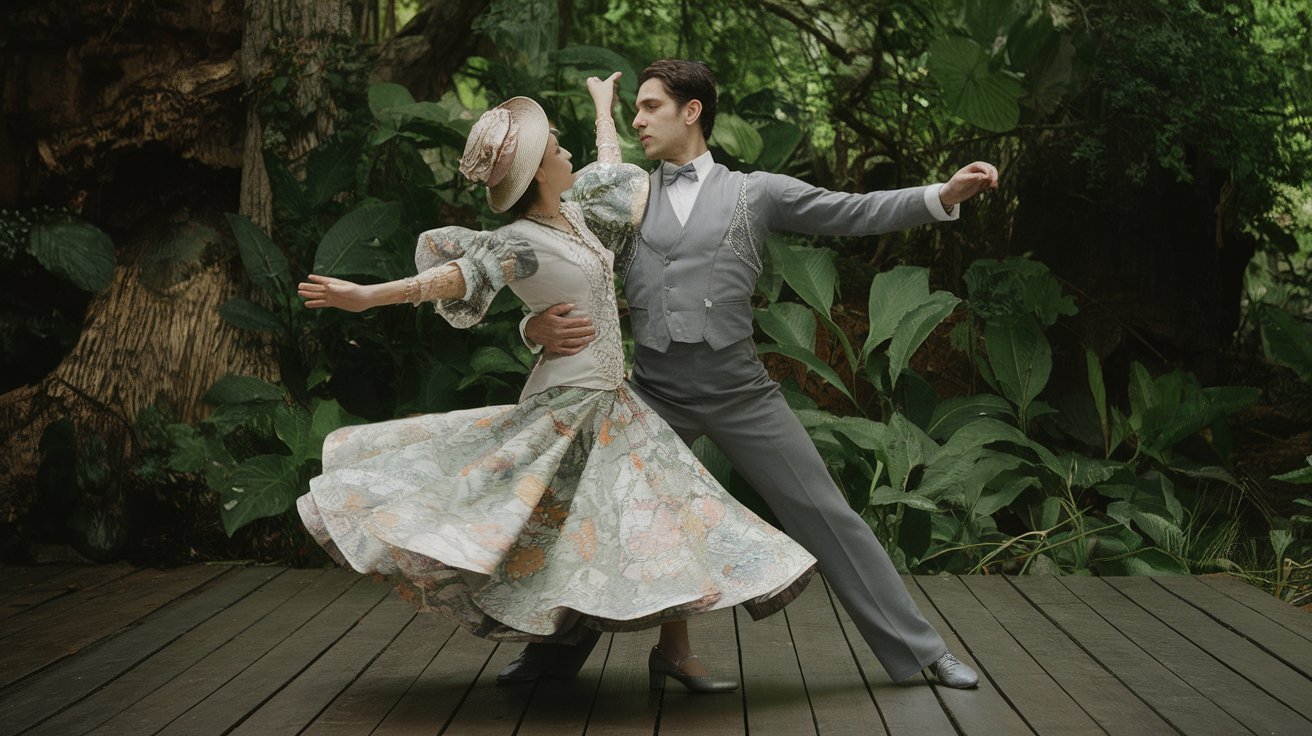
The Lush Life Dance has become one of the most recognizable dance trends associated with the hit song “Lush Life” by Zara Larsson. Since the song’s release, dance enthusiasts, content creators, and social media influencers have embraced its energetic rhythm, creating choreographies that continue to gain millions of views across platforms such as TikTok, Instagram Reels, YouTube Shorts, and Facebook.
In 2026, the Lush Life Dance remains popular among beginners and experienced dancers alike thanks to its upbeat tempo, memorable movements, and wide appeal. Whether you’re learning the choreography for fun, creating content for social media, or teaching dance routines, this guide covers everything you need to know about the Lush Life Dance.
What Is the Lush Life Dance?
The Lush Life Dance refers to choreographed dance routines performed to “Lush Life,” the internationally successful pop song by Zara Larsson. The track’s catchy beat, uplifting lyrics, and consistent rhythm make it ideal for both professional choreography and casual dance challenges.
Over time, multiple versions of the dance have emerged. Rather than having one official routine, dancers around the world have created their own interpretations while maintaining the song’s energetic and joyful spirit.
Today, the phrase “Lush Life Dance” generally refers to these creative routines shared online and performed in dance studios, schools, fitness classes, and social media videos.
Why the Lush Life Dance Became So Popular
Several factors contributed to the lasting popularity of the Lush Life Dance.
Catchy Music
The upbeat production and memorable chorus naturally encourage movement and make the song easy to dance to.
Easy-to-Learn Moves
Many popular versions include simple arm movements, footwork, spins, and coordinated gestures suitable for beginners.
Social Media Challenges
Dance creators on TikTok and Instagram helped introduce the choreography to millions of viewers through viral challenges and short-form videos.
Suitable for Groups
The choreography works well for solo performers, friends, classrooms, dance teams, and community events.
Positive Energy
The dance reflects the joyful atmosphere of the song, making it popular for celebrations, performances, and recreational activities.
Key Elements of the Lush Life Dance
Although different choreographers add their own creative touches, many routines share similar features.
Rhythmic Footwork
Simple side steps and coordinated foot movements match the song’s steady tempo.
Expressive Arm Movements
Hand gestures and flowing arm patterns create visual energy throughout the routine.
Body Coordination
The dance encourages smooth transitions between upper-body and lower-body movements.
Facial Expressions
Smiling and confident expressions enhance the overall performance.
Group Synchronization
Many performances emphasize synchronized timing, making them visually impressive during group routines.
These elements combine to create an entertaining performance that appeals to audiences of all ages.
How Beginners Can Learn the Lush Life Dance
Learning the choreography is easier than many people expect.
Watch Demonstration Videos
Observe experienced dancers to understand the rhythm and movement sequence.
Break the Routine into Sections
Master one small segment before moving to the next.
Practice with Slow Playback
Reducing playback speed helps beginners understand timing and coordination.
Focus on Rhythm
Keeping time with the music is more important than performing every movement perfectly.
Practice Regularly
Short daily practice sessions improve muscle memory and confidence.
With consistent practice, most beginners can comfortably learn the basic choreography.
Benefits of Dancing to Lush Life
The Lush Life Dance offers more than entertainment. Dancing regularly provides numerous physical and mental benefits.
Improves Cardiovascular Fitness
Energetic movement increases heart rate and supports overall fitness.
Enhances Coordination
Coordinating hands, feet, and body movements strengthens motor skills.
Boosts Confidence
Learning and performing choreography helps develop self-confidence.
Reduces Stress
Dancing is an enjoyable way to relax while releasing positive endorphins.
Encourages Social Interaction
Group rehearsals and dance challenges bring people together through shared experiences.
Supports Creativity
Every performer can personalize movements and develop their own unique style.
Lush Life Dance on Social Media
The popularity of short-form video platforms has significantly contributed to the continued success of the Lush Life Dance.
Common content includes:
- Dance tutorials
- Beginner guides
- Group performances
- School talent shows
- Fitness routines
- Dance competitions
- Viral challenges
- Family dance videos
Many creators introduce their own choreography while encouraging followers to recreate or adapt the routine, helping the trend remain active years after the song’s original release.
Tips for Creating an Outstanding Lush Life Dance Performance
If you’re planning to perform or record the dance, consider these practical suggestions.
Practice Timing
Smooth synchronization with the music creates a polished performance.
Use Clear Expressions
Positive facial expressions enhance audience engagement.
Maintain Good Posture
Strong posture improves balance and movement quality.
Dance with Confidence
Confidence often matters more than technical perfection.
Choose Comfortable Clothing
Wear outfits that allow unrestricted movement.
Perform as a Team
Group routines often create greater visual impact than solo performances.
Why the Lush Life Dance Remains Popular in 2026
Unlike many short-lived internet trends, the Lush Life Dance continues attracting dancers because of its timeless music and adaptable choreography.
Several factors contribute to its lasting popularity:
- Easy for beginners
- Fun for experienced dancers
- Perfect for social media content
- Suitable for schools and community events
- Excellent for dance fitness
- Encourages creativity and teamwork
As online dance communities continue growing, the Lush Life Dance remains a favorite among performers looking for energetic, uplifting routines.
Conclusion
The Lush Life Dance continues to inspire dancers worldwide through its combination of energetic music, accessible choreography, and creative freedom. Whether performed by beginners, professional dance teams, or social media creators, the routine captures the joyful spirit of “Lush Life” while encouraging movement, confidence, and self-expression.
In 2026, the dance remains relevant thanks to ongoing social media sharing, dance tutorials, and community performances. With regular practice and a willingness to enjoy the music, anyone can learn the Lush Life Dance and become part of one of pop music’s most enduring dance trends.
Frequently Asked Questions (FAQs)
What is the Lush Life Dance?
The Lush Life Dance refers to dance routines performed to the song “Lush Life” by Zara Larsson, with many variations created by dancers and social media creators.
Is there an official choreography?
No. While the music video features choreography, numerous unofficial routines have become popular across social media platforms.
Can beginners learn the Lush Life Dance?
Yes. Many versions are beginner-friendly and can be learned through step-by-step tutorials and regular practice.
Why is the dance so popular?
Its upbeat music, simple movements, and adaptability for solo or group performances have helped it remain a favorite online.
Where is the Lush Life Dance commonly performed?
It is frequently seen on TikTok, Instagram Reels, YouTube Shorts, dance studios, school performances, fitness classes, and community events.

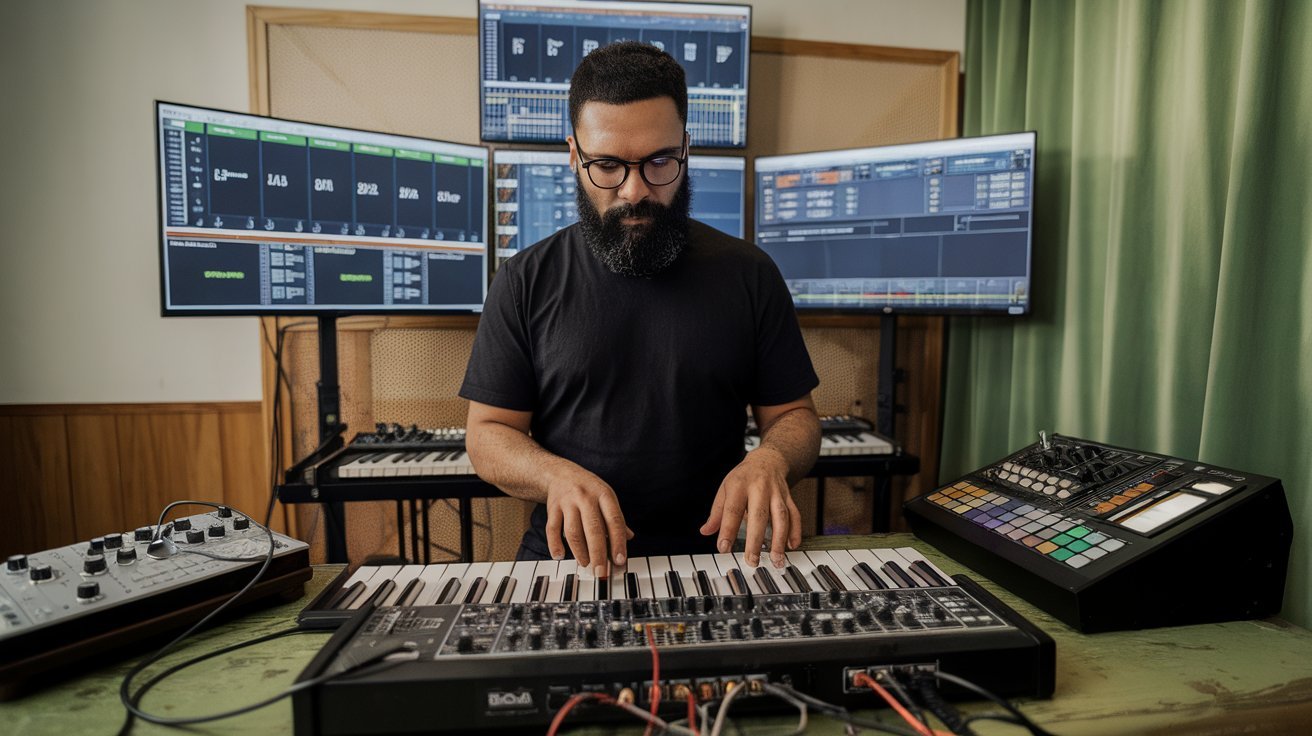
Learning how to breakcore on BandLab is an excellent way to experiment with extremely fast drums, chopped breaks, aggressive bass, distorted textures, glitch effects, and unpredictable arrangements without needing an expensive studio setup. BandLab Studio is a cloud-based DAW that works in a browser or on mobile, and it provides tools for recording, editing, effects, sampling, drum programming, and automation.
Breakcore can initially sound complicated because the genre often combines very fast tempos, rapidly edited breakbeats, heavy processing, and constantly changing rhythms. However, the basic workflow becomes much easier when we build the track in layers: tempo first, drums second, bass and atmosphere next, then aggressive edits and automation.
1. Start a Breakcore Project in BandLab
We begin by opening BandLab Studio and creating a new project. BandLab currently supports projects with multiple audio and MIDI tracks, making it possible to separate drums, bass, melodies, effects, vocals, and atmospheric sounds.
For a traditional breakcore foundation, we can start around 160–200 BPM. A tempo near 170–180 BPM is a useful starting point because it gives the drums enough speed while leaving room for rhythmic experimentation.
The exact BPM is not a strict rule. What matters more is the feeling of acceleration and rhythmic density.
A basic project might contain:
- Breakbeat or drum track
- Kick and snare layer
- Bass track
- Main sample or melody
- Atmospheric texture
- Glitch or FX track
- Transition and impact sounds
Keeping these elements on separate tracks gives us much greater control when editing and processing the song.
2. Build Fast Breakcore Drums With the Drum Machine
The drums are the heart of breakcore. Instead of relying on a simple four-on-the-floor pattern, we want constantly changing kick, snare, hi-hat, and percussion combinations.
BandLab’s Drum Machine allows us to create patterns directly on a grid. We can create 1-, 2-, or 4-bar patterns, adjust velocity, use swing, and create multiple patterns that can be arranged throughout the project.
We can start with a simple breakbeat and then make it progressively more complicated.
For example:
Kick → snare → kick → kick → snare
Once the basic rhythm works, we can add:
- Rapid hi-hat rolls
- Additional snares
- Ghost hits
- Short kick bursts
- Percussion fills
- Offbeat hits
- Sudden gaps
- Repeated one-beat patterns
The important technique is variation. A breakcore track becomes much more energetic when the rhythm changes every few bars instead of repeating exactly the same loop.
We can create several Drum Machine patterns and alternate between them. BandLab also allows patterns to be copied, pasted, added to the arrangement, and looped.
3. Chop Breakbeats and Create Extreme Drum Patterns
For a more authentic breakcore sound, we can work with breakbeat samples rather than programming every drum hit from scratch.
BandLab Sounds provides a large collection of loops, samples, and one-shots that can be brought directly into Studio.
Once a breakbeat is inside the project, we can cut it into smaller sections and rearrange those sections.
A useful approach is to divide the break into tiny pieces:
Kick → snare → hi-hat → snare → kick → silence → snare
Then repeat, reverse, or reposition selected pieces.
The goal is not simply to make the drum pattern fast. We want to create the impression that the break is being manipulated in real time.
We can also layer programmed drums underneath the chopped break. This gives us more control over the low-end punch while the break provides the frantic rhythmic character.
BandLab’s current Sampler is particularly useful here because it allows us to build custom 16-pad sample kits, import our own sounds, or choose sounds from BandLab Sounds. Individual samples can also be edited for pitch, volume, pan, attack, release, and tone.
4. Add Bass, Distortion, and Aggressive Sound Design
Once the drums are moving, we can create the bassline.
Breakcore bass does not necessarily need to be complicated. A short, aggressive bass phrase can work extremely well when it follows the kick and changes with the drum arrangement.
We can experiment with:
- Distorted bass
- Reese-style bass textures
- Short sub-bass notes
- Metallic bass sounds
- Saturated synths
- Pitch-modulated bass
- Glitchy low-frequency effects
BandLab provides virtual instruments that allow us to create sounds without physical instruments. Its current Studio includes hundreds of professionally designed virtual instruments covering categories such as synthesizers, drums, pianos, guitars, and orchestral sounds.
After creating the bass, we can use effects to make it more aggressive. BandLab currently supports multiple effects per track, allowing us to combine processing tools for creative sound design.
A useful chain might involve EQ → distortion → compression → reverb or delay, although we should adjust each effect according to the specific sound rather than applying every effect automatically.
5. Use Glitches, Stutters, Reverses, and Sudden Changes
The biggest difference between a fast electronic beat and a convincing breakcore track is often the editing.
We can create movement by suddenly:
- Cutting the drums
- Repeating a tiny section
- Reversing a sound
- Pitching a sample upward
- Pitching a sample downward
- Adding a short burst of distortion
- Creating silence before a drop
- Switching between different drum patterns
- Removing the kick for a few beats
- Bringing everything back at full intensity
BandLab’s mobile Looper also includes performance effects such as Filter, Gater, Stutter, and Tape Stop, which can be useful for generating transitions and experimental rhythmic moments.
We should avoid making every second chaotic. Strategic contrast makes the fastest sections feel even more powerful.
For example, we might create a relatively simple eight-bar introduction, followed by an extremely dense 16-bar breakcore section.
That contrast gives the listener somewhere to go.
6. Automate Effects for More Movement
Automation is one of the most valuable tools when learning how to make breakcore on BandLab.
Instead of leaving an effect at one fixed setting, we can automate parameters over time. BandLab currently supports automation for parameters such as volume, pan, and FX controls, either by manually drawing automation points or recording movements from a MIDI controller.
We can automate a filter so that it gradually opens before a drop.
We can automate volume to create rhythmic cuts.
We can automate panning so that percussion moves across the stereo field.
We can automate effects to make transitions increasingly distorted or spacious.
For example:
Low-pass filter closed → filter opens → drums accelerate → brief silence → full-frequency drop
This type of automation creates movement without requiring dozens of additional tracks.
7. Arrange, Mix, and Finish the Breakcore Track
After building the individual sounds, we can arrange them into a complete song rather than simply creating an endless loop.
A possible structure is:
Intro → Breakbeat introduction → First drop → Experimental section → Breakdown → Main drop → Final variation → Outro
Breakcore does not need to follow conventional songwriting structures, so we can make the arrangement unpredictable. However, there should still be recognizable transitions and contrasts.
During mixing, we should pay particular attention to the low end. Extremely dense kick and bass combinations can quickly become muddy.
We can use EQ to separate competing frequencies, control excessive low-end energy, and keep the drums intelligible. Effects should support the sound rather than completely burying it.
BandLab also provides dedicated mixing and mastering tools within its creation environment.
Before exporting, we should listen at different volumes and check whether the kick, snare, bass, and main musical elements remain clear.
If we use BandLab Sounds, we should also understand the licensing terms. BandLab states that its Sounds can generally be used under a non-exclusive, royalty-free license in personal and commercial music when incorporated into a larger composition, while standalone redistribution or resale of the samples is prohibited.
Final Breakcore Workflow
A simple 2026 workflow for making breakcore on BandLab is:
1. Choose 160–200 BPM.
2. Create a strong breakbeat foundation.
3. Chop and rearrange drum samples.
4. Add programmed kick, snare, and percussion layers.
5. Build an aggressive bassline.
6. Add distortion, filtering, delay, and other effects.
7. Use rapid edits, stutters, reverses, and rhythmic gaps.
8. Automate important effects and volume changes.
9. Create contrasting sections instead of repeating one loop.
10. Mix the low end carefully and finish with mastering.
The key to how to breakcore on BandLab is not simply increasing the BPM. The characteristic sound comes from combining fast breakbeats, detailed editing, strong contrasts, creative sampling, aggressive sound design, and constant rhythmic variation. With BandLab’s Drum Machine, Sampler, Sounds library, effects, virtual instruments, automation, and mobile Looper, we can build a complete breakcore production using a relatively simple workflow.



 Celebrity3 months ago
Oona Gray Seppala: Everything You Need to Know About Sarah Rafferty’s Daughter
- Blog2 months ago
0844 879 1719: Who Called Me and Is This Number a Scam in 2026?
- Celebrity3 months ago
Judy Helkenberg: Biography, Early Life, Career, Personal Journey, and Legacy
- News3 months ago
Carl Ellan Kelley: The Untold Story, Biography, Family, and Legacy
- Social Media2 months ago
TikTok Coins: The Complete 2026 Guide to Buying, Using, Prices, Gifts, and Safety
- Tech2 months ago
Get in Touch on TurboGeek.org: Complete Contact and Support Guide for 2026
- Celebrity2 months ago
Tanya Tehanna Bio: Career, Background, Achievements, and Public Recognition in 2026
- Business2 months ago
Business Ftasiastock: The Complete 2026 Guide to Market Intelligence, Business Trends, and Financial Insights