
Blog
Honda CR-V Hybrid: Features, Fuel Economy, Price, and Complete Buying Guide

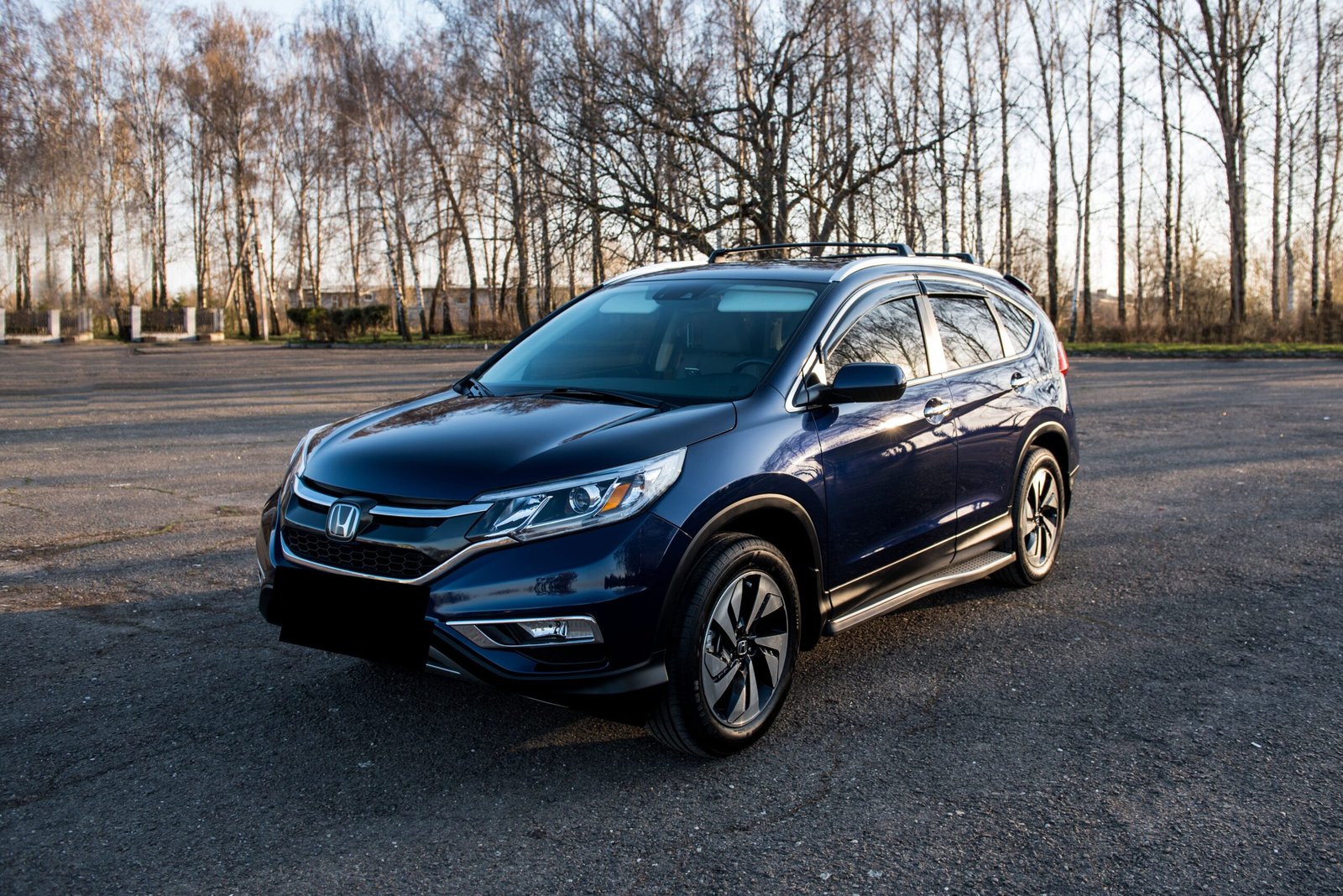
The Honda CR-V Hybrid is a popular choice for drivers looking for a practical SUV that combines fuel efficiency, modern technology, comfortable seating, and everyday versatility. It pairs a gasoline engine with electric motors to deliver responsive performance while reducing fuel consumption compared with many conventional gasoline-powered SUVs.
Whether you need a reliable family vehicle, a comfortable commuter car, or an SUV for weekend road trips, the Honda CR-V Hybrid offers several features worth considering. In this guide, we explore its performance, fuel economy, interior, safety technology, advantages, disadvantages, and the key factors to consider before buying.
What Is the Honda CR-V Hybrid?
The Honda CR-V Hybrid is a hybrid version of Honda’s compact SUV, the CR-V. It combines a gasoline engine with an electric-drive system to balance performance and efficiency, making it suitable for city driving and longer journeys.
Unlike a fully electric vehicle, the CR-V Hybrid does not require routine charging from an external charging station. Its hybrid system manages energy through the gasoline engine, electric motors, and regenerative braking, allowing drivers to enjoy hybrid benefits without depending on a charging network.
Honda CR-V Hybrid Engine and Performance
The 2026 Honda CR-V Hybrid sold in the United States uses a two-motor hybrid powertrain that produces a combined 204 horsepower. This setup is designed to provide smooth acceleration, responsive everyday performance, and efficient operation in different driving conditions.
The hybrid system can use electric drive at appropriate times and combine electric and gasoline power when additional performance is needed. Drivers benefit from a refined driving experience, particularly in urban traffic, where frequent slowing and braking can help the system recover energy.
Honda CR-V Hybrid Fuel Economy
Fuel efficiency is one of the main reasons buyers consider the Honda CR-V Hybrid. According to U.S. EPA estimates for the 2026 model, front-wheel-drive versions achieve up to 43 mpg in the city, 36 mpg on the highway, and 40 mpg combined. All-wheel-drive versions generally receive lower ratings, depending on the trim.
These figures are estimates rather than guaranteed real-world results. Driving speed, traffic congestion, weather, tire pressure, vehicle maintenance, and driving habits can all affect fuel consumption. Buyers should compare official ratings with their expected driving conditions to estimate potential fuel savings.
Honda CR-V Hybrid Interior and Comfort
The Honda CR-V Hybrid offers a spacious cabin designed around comfort and everyday practicality. Its seating arrangement provides room for passengers, while the wide-opening doors and thoughtfully arranged controls make getting in and out convenient for many families.
Interior equipment varies by trim, but available features include heated front seats, leather-trimmed seating, a power moonroof, and a power tailgate. Before purchasing, compare the equipment included in each version to make sure it matches your comfort preferences and budget.
Cargo Space and Family Practicality
Cargo capacity is another important advantage of the Honda CR-V Hybrid. The 2026 U.S. model offers up to 76.5 cubic feet of maximum cargo space in applicable configurations, making it useful for luggage, groceries, sports equipment, and family travel.
The rear seating area and flexible cargo layout help the SUV adapt to different everyday needs. Families should still check child-seat compatibility, rear-seat comfort, and the space available with the rear seats in their preferred position before making a final decision.
Technology and Infotainment Features
The Honda CR-V Hybrid includes modern connectivity and infotainment features designed to make driving more convenient. Depending on the trim, equipment can include a touchscreen infotainment system, wireless Apple CarPlay, wireless Android Auto, and smartphone-compatible functions.
Higher trims may offer additional convenience features, including a premium audio system, navigation-related services, and Google built-in functionality. Because technology packages differ by model year and market, buyers should confirm the exact equipment listed on the vehicle they intend to purchase.
Honda CR-V Hybrid Safety Features
Safety is an important consideration when choosing a family SUV. The Honda CR-V Hybrid includes Honda Sensing driver-assistance technologies, with features designed to help drivers monitor road conditions and respond to potential hazards.
Depending on the model and market, available or standard technologies can include collision mitigation braking, adaptive cruise control, lane-keeping assistance, and road departure mitigation. These systems can support safer driving, but they do not replace driver attention, responsible decisions, or proper vehicle control.
Honda CR-V Hybrid Trim Levels
The 2026 Honda CR-V Hybrid is offered in several U.S. configurations, including Sport Hybrid, Sport-L Hybrid, Sport Touring Hybrid, and TrailSport Hybrid. Each version targets slightly different priorities, from everyday comfort and efficiency to additional equipment or a more adventure-oriented appearance.
The Sport Hybrid can be an appealing starting point for drivers who want hybrid performance without selecting a higher trim. Sport-L and Sport Touring versions add more premium equipment, while the TrailSport Hybrid emphasizes a rugged design and all-terrain-oriented features. Exact availability varies by market.
Honda CR-V Hybrid Price and Value
The price of a Honda CR-V Hybrid depends on the model year, trim level, destination charges, optional equipment, taxes, and dealer pricing. Higher trims generally cost more because they include additional comfort, technology, or styling features.
For buyers comparing vehicles, the purchase price is only one part of the total cost of ownership. Insurance, fuel, scheduled maintenance, tires, financing, depreciation, and potential repair costs should also be considered. Checking written quotations from multiple dealers can help you determine whether the vehicle offers good value for your budget.
Honda CR-V Hybrid vs. Honda CR-V Gasoline Model
The main difference between the Honda CR-V Hybrid and the standard gasoline-powered CR-V is their powertrain. The hybrid combines a gasoline engine with electric motors, while the conventional model uses a gasoline engine without the same hybrid propulsion system.
In the 2026 U.S. lineup, the hybrid is rated at up to 40 mpg combined for front-wheel-drive models, compared with up to 30 mpg combined for the listed front-wheel-drive non-hybrid configurations. The hybrid may be particularly appealing to drivers who spend substantial time in city traffic, although the best choice depends on purchase price, annual mileage, and driving patterns.
Honda CR-V Hybrid vs. Toyota RAV4 Hybrid
The Toyota RAV4 Hybrid is a major competitor to the Honda CR-V Hybrid. Both offer hybrid powertrains, practical cargo areas, and features aimed at drivers who want SUV versatility without the fuel consumption of many traditional gasoline-powered SUVs.
For the 2026 U.S. models, Honda lists up to 40 mpg combined for the front-wheel-drive CR-V Hybrid, while the comparable RAV4 Hybrid lineup includes configurations rated as high as 43 mpg combined. Honda, however, offers up to 76.5 cubic feet of maximum cargo space compared with the RAV4 Hybrid’s listed 70.4 cubic feet. Buyers should compare the specific trims, prices, and equipment rather than relying on one specification alone.
Advantages of the Honda CR-V Hybrid
The Honda CR-V Hybrid offers several practical benefits for drivers who want efficiency and everyday versatility. Its combination of electric assistance, gasoline power, passenger space, and useful cargo capacity makes it a strong candidate for commuting and family transportation.
Key advantages include:
- Improved fuel economy compared with many conventional gasoline SUVs.
- Smooth hybrid operation and responsive acceleration.
- A spacious cabin with useful cargo capacity.
- Modern smartphone connectivity and available premium features.
- Driver-assistance technologies designed to support safer driving.
- No requirement for routine external charging.
Disadvantages of the Honda CR-V Hybrid
Although the Honda CR-V Hybrid has many strengths, it may not be the ideal vehicle for every buyer. Hybrid trims can cost more upfront than comparable gasoline versions, and real-world fuel savings depend on how far and where the vehicle is driven.
Other considerations include differences in equipment between trims, potentially higher replacement costs for certain hybrid-specific components outside warranty coverage, and fuel-economy variations in cold weather or sustained high-speed driving. Buyers should also compare local service availability and warranty terms before purchasing an imported vehicle.
Is the Honda CR-V Hybrid Worth Buying?
The Honda CR-V Hybrid is worth considering if you want a practical compact SUV with good fuel efficiency, modern features, and flexible passenger and cargo space. It can be especially attractive to drivers who travel regularly, carry family members, or spend a significant amount of time commuting.
However, the right purchase depends on your budget and local driving needs. If you drive relatively few miles each year, the higher upfront cost of a hybrid may take longer to offset through fuel savings. Comparing ownership costs and arranging a test drive can help you make a more informed decision.
Tips Before Buying a Honda CR-V Hybrid
Before buying a Honda CR-V Hybrid, research the exact model year and trim you are considering. Specifications, standard features, prices, and warranty coverage can differ between countries, so information published for the U.S. market should not automatically be applied to vehicles sold elsewhere.
If you are buying a used or imported vehicle, review its service history, accident records, mileage, and hybrid-system condition. Arrange an independent inspection, verify the vehicle identification number, and check whether local technicians can service the model. These steps can reduce uncertainty and help you avoid unexpected ownership expenses.
Frequently Asked Questions About the Honda CR-V Hybrid
1. What is the Honda CR-V Hybrid?
The Honda CR-V Hybrid is a compact SUV that combines a gasoline engine with electric motors to improve efficiency and provide responsive performance. It offers practical passenger and cargo space along with modern convenience and safety features.
2. What is the fuel economy of the Honda CR-V Hybrid?
For the 2026 U.S. model, EPA estimates reach 43 mpg city, 36 mpg highway, and 40 mpg combined for front-wheel-drive versions. All-wheel-drive and TrailSport configurations have different ratings, and actual fuel economy varies with driving conditions.
3. Does the Honda CR-V Hybrid need to be plugged in?
No. The conventional Honda CR-V Hybrid does not need to be plugged into an external charging station. Its hybrid system manages the battery through the vehicle’s powertrain and regenerative braking.
4. How much cargo space does the Honda CR-V Hybrid have?
The 2026 U.S. Honda CR-V Hybrid offers up to 76.5 cubic feet of maximum cargo space in applicable configurations. The available space depends on seating position and how the vehicle is configured.
5. Is the Honda CR-V Hybrid good for families?
Yes, it can be a good family SUV because it combines passenger space, practical storage, available comfort features, and driver-assistance technologies. Families should check child-seat fit, rear-seat comfort, and the equipment included with their preferred trim.
6. Is the Honda CR-V Hybrid better than the Toyota RAV4 Hybrid?
Neither vehicle is automatically better for every buyer. The CR-V Hybrid offers generous maximum cargo capacity, while the RAV4 Hybrid has higher maximum EPA-estimated fuel economy in certain 2026 configurations. Comparing prices, features, comfort, and test-drive impressions will help identify the better fit.
7. Is the Honda CR-V Hybrid expensive to maintain?
Maintenance costs depend on location, mileage, driving conditions, parts availability, and service requirements. Hybrid technology can reduce certain types of engine operation, but regular servicing and eventual component repairs still need to be budgeted for.
8. Is the Honda CR-V Hybrid available worldwide?
Availability varies by country and model year. Buyers outside the United States should check Honda’s official local website or an authorized dealer for available trims, powertrain specifications, warranty coverage, and current pricing.
Conclusion
The Honda CR-V Hybrid combines efficient hybrid technology, practical interior space, modern connectivity, and useful safety features in a versatile compact SUV. Its fuel economy and flexible cabin make it a compelling option for commuters and families who want a balance between efficiency and everyday comfort.
Before making a purchase, compare the trim levels, total ownership costs, warranty coverage, and specifications available in your country. With careful research and a proper test drive, you can decide whether the Honda CR-V Hybrid matches your driving habits, family needs, and budget.
LiveWell is a useful concept for anyone who wants to improve their health, build positive daily habits, and enjoy a better quality of life. It focuses on the connection between physical fitness, balanced nutrition, mental well-being, restful sleep, and healthy relationships. Rather than chasing quick results, the LiveWell approach encourages small, consistent changes that can make everyday life healthier and more fulfilling.
In today’s busy world, maintaining a healthy lifestyle can feel challenging because of work, family responsibilities, screen time, and stress. However, wellness does not require an expensive gym membership or a complicated diet plan. By making practical choices and developing sustainable routines, you can take meaningful steps toward living well.
What Does LiveWell Mean?
LiveWell means taking an active, balanced approach to personal health and overall well-being. It involves looking after your body, managing your emotions, staying socially connected, and making informed decisions about your lifestyle. The goal is not perfection but creating habits that support your health over the long term.
A LiveWell lifestyle can look different for every person. One individual might focus on walking more, while another may need to improve sleep, manage stress, or eat more nutritious meals. The most effective approach is one that fits your personal needs, cultural preferences, budget, and daily schedule.
Why Is a LiveWell Lifestyle Important?
A healthy lifestyle can improve energy levels, support emotional well-being, and help reduce the risk of several chronic diseases. Regular physical activity, nutritious food, sufficient sleep, and preventive healthcare all contribute to long-term health. These habits also help people maintain independence and perform everyday activities more comfortably as they age.
LiveWell is also about improving your everyday experience, not just preventing illness. Taking a short walk, enjoying a balanced meal, spending time with loved ones, or getting enough rest can support a healthier routine. Over time, these simple actions can become a natural part of daily life.
1. Eat a Balanced and Nutritious Diet
Healthy eating is one of the most important parts of the LiveWell lifestyle. A balanced diet provides the nutrients your body needs for energy, growth, muscle function, and overall health. Aim to include a variety of vegetables, fruits, whole grains, beans, lentils, nuts, and suitable sources of protein in your meals.
You do not need to eliminate all your favorite foods to eat well. Instead, focus on variety, reasonable portions, and meals that provide essential nutrients while limiting excess salt, added sugar, and unhealthy fats. For example, you could choose oatmeal or eggs for breakfast, lentils with vegetables for lunch, and grilled fish, chicken, or beans with whole grains for dinner.
2. Make Physical Activity Part of Your Routine
Regular movement supports heart health, strengthens muscles and bones, improves sleep, and can benefit mental well-being. The LiveWell approach encourages people to find activities they enjoy instead of treating exercise as a punishment. Walking, cycling, dancing, gardening, and swimming are all practical ways to become more active.
For most adults, the World Health Organization recommends 150–300 minutes of moderate-intensity aerobic activity per week, or an equivalent amount of vigorous activity. Adults should also do muscle-strengthening exercises on at least two days each week. If you are currently inactive, start with short walks and gradually increase your activity according to your abilities.
3. Prioritize Quality Sleep
Sleep is essential for physical recovery, concentration, emotional regulation, and general health. Most adults aged 18–60 should aim for at least seven hours of sleep each night, although individual needs vary. Regularly getting insufficient sleep can affect your mood, attention, and ability to manage everyday responsibilities.
To improve your sleep, try going to bed and waking up at consistent times, keeping your bedroom comfortable, and reducing screen use before bedtime. Limiting caffeine later in the day may also help you fall asleep more easily. If sleep problems continue or interfere with daily life, consider speaking with a healthcare professional.
4. Support Mental and Emotional Wellness
Mental wellness is a central part of living well because emotional health affects how people think, feel, make decisions, and respond to challenges. Stress is a normal part of life, but ongoing stress can affect sleep, concentration, and physical comfort. Building healthy coping skills can make everyday challenges easier to manage.
Simple practices can help you care for your mental health. Take a few minutes to breathe slowly, spend time outdoors, write down your thoughts, or enjoy an activity that helps you relax. If you experience persistent anxiety, low mood, or difficulty coping, professional support can be an important part of your wellness plan.
5. Stay Hydrated Throughout the Day
Water supports many essential body functions, including temperature regulation and normal digestion. Your hydration needs depend on factors such as activity level, climate, age, and health conditions. Drinking water regularly throughout the day is a useful habit, especially in hot weather or when exercising.
A practical LiveWell tip is to keep a reusable water bottle nearby and drink water with meals. Water-rich foods, such as cucumbers, oranges, and watermelon, can also contribute to fluid intake. People with medical conditions that require fluid restrictions should follow their healthcare professional’s advice rather than applying general hydration targets.
6. Build Strong and Supportive Relationships
Healthy relationships can contribute to emotional resilience, a sense of belonging, and better overall well-being. Spending time with friends, family members, or supportive community groups can help people cope with stressful situations and feel less isolated. Social connection is therefore an important part of a balanced wellness routine.
You can strengthen your connections through small, meaningful actions. Make time for a conversation without distractions, share a meal with family, check in on a friend, or participate in a community activity. The quality of your relationships matters more than maintaining a large number of social contacts.
7. Practice Preventive Healthcare
Living well also means taking steps to identify health concerns early and manage existing conditions. Routine medical appointments, recommended screenings, dental care, and appropriate vaccinations can help support long-term health. The right preventive care depends on your age, medical history, family history, and individual risk factors.
Avoid relying solely on online wellness advice to diagnose symptoms or treat medical conditions. If you take medication or have a chronic illness, discuss significant changes to your diet, exercise routine, or supplements with a qualified healthcare professional. Healthy habits can complement medical care, but they do not replace necessary treatment.
How to Start Your LiveWell Journey: A Simple Daily Plan
Starting a healthier lifestyle becomes easier when you turn general advice into small, manageable actions. You do not need to change everything in one day; instead, choose two or three habits that fit your current routine. As these habits become easier, gradually introduce additional changes to support your long-term goals.
Here is an example of a simple LiveWell daily routine for a generally healthy adult. Adjust the schedule to your work hours, personal preferences, cultural practices, and health needs.
Morning: Start with intention
Wake up at a consistent time, drink water, eat a balanced breakfast, and take a short walk or stretch if possible.
Afternoon: Fuel your body
Choose a nutritious lunch, take movement breaks during long periods of sitting, and make time for regular hydration.
Evening: Move and unwind
Go for a walk or complete a suitable workout, enjoy dinner, and spend quality time with people you care about.
Night: Prepare for rest
Reduce screen time before bed, follow a relaxing routine, and allow enough time for a full night’s sleep.
Practical Tips for Maintaining Healthy Habits
Consistency is often more useful than trying to follow an extremely strict wellness plan. Set realistic goals that you can repeat on busy days, not just when you have plenty of free time. For example, walking for ten minutes after lunch may be a more sustainable starting point than committing to a long workout every day.
Use these practical strategies to make your LiveWell routine easier to maintain:
Set one clear goal: Start with something measurable, such as walking for 15 minutes on five days this week.
Prepare in advance: Keep nutritious ingredients available and plan convenient meals before your schedule gets busy.
Track your progress: Use a notebook or phone reminder to record completed habits rather than focusing only on weight or appearance.
Make gradual improvements: Increase exercise duration or introduce new habits as your confidence and fitness improve.
Learn from setbacks: If you miss a workout or have an unbalanced meal, return to your routine at the next opportunity instead of giving up.
These strategies help make healthy living more realistic and reduce the pressure to achieve perfection. The National Institutes of Health also recommends setting achievable goals, tracking progress, and being patient when building new habits.
Common LiveWell Mistakes to Avoid
One common mistake is believing that wellness requires expensive supplements, special equipment, or restrictive diets. In reality, many useful habits are simple and affordable, such as eating more vegetables, walking regularly, maintaining a consistent sleep schedule, and spending time with supportive people. Be cautious of products or programs that promise instant results or guaranteed health benefits.
Another mistake is trying to change too many things at once. An overly demanding routine may become difficult to maintain, especially when work, family, or other responsibilities compete for your time. Focus on steady progress, adapt your routine when necessary, and seek qualified guidance for individual medical or nutritional concerns.
Frequently Asked Questions About LiveWell
What is LiveWell?
LiveWell is a term commonly used to describe a healthy lifestyle focused on physical health, mental well-being, balanced nutrition, exercise, sleep, and positive relationships. It can also be used as the name of specific health-related organizations or services. In this article, LiveWell refers to the general concept of living a healthier and more balanced life.
How can I start living a LiveWell lifestyle?
Begin with a few simple changes, such as adding vegetables to meals, walking regularly, drinking water throughout the day, and maintaining a consistent bedtime. Choose habits that fit your lifestyle and gradually build on them. Small actions performed consistently can be easier to sustain than major changes made all at once.
What are the main benefits of living well?
Healthy lifestyle habits can support physical fitness, emotional well-being, sleep quality, and everyday functioning. They can also help reduce the risk of certain chronic diseases when practiced consistently. Results vary depending on individual circumstances, and no lifestyle routine can guarantee that illness will be prevented.
Can I follow LiveWell on a budget?
Yes. Healthy living does not need to be expensive. Affordable foods such as lentils, beans, seasonal vegetables, fruit, oats, and whole grains can support a nutritious diet, while walking and home-based exercises provide accessible ways to stay active. Planning meals and using available local resources can make wellness more affordable.
How long does it take to see results from healthy habits?
The timeline depends on the habit, your starting point, and your individual health. Some people notice improvements in mood or energy relatively quickly, while changes in fitness, sleep patterns, or other health measures may take longer. Focus on sustainable progress rather than expecting immediate or identical results for everyone.
Is LiveWell a medical treatment or a wellness program?
In this article, LiveWell describes a general approach to healthy living, not a specific medical treatment or verified commercial program. If you are referring to a particular LiveWell brand, app, or healthcare service, its features and offerings should be assessed using that organization’s official information.
Conclusion: Make LiveWell Part of Your Everyday Life
LiveWell is about making informed choices that support your health today and in the future. By eating balanced meals, staying physically active, sleeping well, managing stress, maintaining meaningful relationships, and seeking appropriate preventive care, you can build a more sustainable approach to wellness. The key is to choose habits that work for your individual needs and circumstances.
You do not have to transform your entire life overnight to begin living well. Start with one realistic goal, practice it consistently, and add new habits when you are ready. With patience and a balanced approach, healthy living can become a natural part of your everyday routine.

Underground Atlanta is one of the most distinctive destinations in downtown Atlanta, Georgia, combining historic streets, live music, nightlife, local culture, restaurants, and redevelopment projects. Built around the city’s original commercial district, the area became known for streets and storefronts that were effectively buried when elevated viaducts were constructed in the early twentieth century. Today, Underground Atlanta is experiencing another transformation, with renewed attention to entertainment, public spaces, and downtown revitalization.
In 2026, the district has attracted renewed attention thanks to Atlanta’s hosting of FIFA World Cup matches and efforts to improve the surrounding streets. Visitors can explore music venues, restaurants, cultural events, and nearby downtown landmarks, while residents can see how a historic part of the city is adapting to modern urban life. This guide covers Underground Atlanta’s history, things to do, nightlife, transportation, redevelopment, and practical visitor tips.
What Is Underground Atlanta?
Underground Atlanta is a historic entertainment and cultural district in the heart of downtown Atlanta. The modern destination occupies several city blocks near Five Points, one of Atlanta’s central transit locations. Its unusual layout comes from the city’s decision to build elevated roadways over the original street level, leaving older storefronts, brick facades, and architectural features below the newer streets.
The district is more than a conventional shopping center. Its current identity emphasizes art, entertainment, nightlife, live performances, local businesses, and community events. The official website highlights venues such as MJQ Concourse and The Masquerade, along with dining options, comedy, and other programmed activities. Individual venues may have different admission rules, event schedules, and age restrictions, so checking the relevant listing before visiting is advisable.
Because Underground Atlanta is a changing mixed-use district rather than a single attraction with one fixed itinerary, the experience can vary considerably. A daytime visitor might focus on architecture and downtown history, while an evening visitor may come for music, food, or a special event.
The History of Underground Atlanta
The story of Underground Atlanta begins in 1837, when the Western & Atlantic Railroad established its southern terminus near what became the center of Atlanta. The railroad encouraged trade and commerce, and the surrounding streets developed into an important business district. After the Civil War, Atlanta rebuilt rapidly, and the Georgia Railroad Freight Depot, completed in 1869, became part of the area’s commercial landscape. The remaining depot structure is recognized as one of downtown Atlanta’s oldest surviving buildings.
A major change arrived in 1928–1929, when elevated viaducts were constructed to help traffic move over the railroad tracks. Streets were raised by roughly one or two stories, leaving many original storefronts and architectural features underneath the new street level. These hidden streets eventually became the foundation of the district known as Underground Atlanta.
On April 8, 1969, the lower-level district reopened as an entertainment destination featuring restaurants, jazz clubs, speakeasies, and historic-style street lighting. It became a popular attraction, but changing shopping habits and economic pressures led to later difficulties. In 1989, after a major redevelopment project, Underground Atlanta reopened as a festival marketplace and became a gathering place during the 1996 Summer Olympics.
The district’s history has therefore been a cycle of reinvention. Its current revival builds on the unusual architecture and cultural significance that have distinguished it for generations.
Things to Do at Underground Atlanta in 2026
Underground Atlanta offers a mix of activities for people interested in music, food, nightlife, and local culture. The best experience depends on the day’s events and the venues operating when you arrive.
Listen to live music: The Masquerade is a major music destination with multiple performance spaces, while other venues and bars host concerts and DJ events.
Explore nightlife: MJQ Concourse is known for its dance music and club atmosphere. Check the venue’s current schedule for opening times and admission policies.
Enjoy food and drinks: The district features dining options such as Dolo’s Pizza and Utopia, with additional food and entertainment concepts being introduced as redevelopment continues.
Attend community events: Music performances, cultural celebrations, comedy shows, and special gatherings help bring people into the area.
Discover Atlanta’s history: The surrounding streets and remaining historic structures offer a glimpse into how the city developed around its railroad origins.
The official Underground Atlanta website provides current venue information, event announcements, and visitor guidance. Because businesses and programming can change, confirm details before making plans.
Underground Atlanta Nightlife, Restaurants, and Entertainment
Nightlife is an important part of Underground Atlanta’s present-day identity. The district is working to establish itself as a downtown destination for live performances, dancing, social gatherings, and late-night entertainment. The Masquerade, with its distinctive venue names—Heaven, Hell, Purgatory, and Altar—offers spaces for different kinds of concerts. MJQ Concourse brings a club-oriented experience, while restaurants and bars provide places to meet friends before or after events.
Redevelopment plans are also expanding the district’s dining and entertainment mix. A six-stall food hall planned for the corner of Alabama and Pryor streets, along with new food, coffee, and music concepts, was reported in 2026. Ravine, a planned two-stage music venue, was scheduled to open in 2027 according to October reporting. These projects are part of a longer effort to increase activity throughout the district rather than relying solely on occasional large events.
Visitors should remember that opening dates and business hours can change during construction. For concerts and nightlife, check age requirements, ticket availability, entry policies, and transport options in advance.
Underground Atlanta Redevelopment and the 2026 FIFA World Cup
One of the biggest developments in Underground Atlanta’s recent history is its renewed role in downtown revitalization. The district was purchased by Shaneel Lalani’s Lalani Ventures in 2020, with a vision of rebuilding its retail, cultural, and entertainment activity. The strategy has emphasized leasing existing spaces, bringing in new tenants, and creating a more active public environment.
In preparation for the 2026 FIFA World Cup, Atlanta approved a $925,000 grant for public-infrastructure and small-business improvements around Upper Alabama Street and Peachtree Fountains Plaza. Planned upgrades included public seating, lighting, shade structures, landscaping, murals, and improved storefront appearances. These changes aimed to make the district more welcoming for residents and the large crowds visiting downtown for international football.
The World Cup provided a major test of the area’s potential. A July 2026 report said that crowds attending the tournament created an unusually busy period for Underground Atlanta, with supporters gathering around downtown before matches at Mercedes-Benz Stadium. The district’s owner has also discussed plans for more food options and a possible 150-apartment conversion at 34 Peachtree, although residential redevelopment faces financing challenges.
These initiatives reflect a broader goal: making Underground Atlanta a place people visit throughout the year, not only during major events. The long-term results will depend on successful businesses, continued investment, accessible public spaces, and more people living and working downtown.
How to Visit Underground Atlanta: Hours, Parking, and Transportation
Underground Atlanta is located in downtown Atlanta, close to the Five Points MARTA station. The official website identifies the on-site parking lot at 15 Wall Street SE and a rideshare drop-off at 50 Upper Alabama Street. Visitors using public transportation can exit at Five Points station and follow local signs toward the district.
The official website currently lists Monday as closed and gives general hours of 6 p.m. to 11:30 p.m. from Sunday to Tuesday, and 6 p.m. to 3:30 a.m. from Wednesday to Saturday. However, individual businesses and special events may follow different schedules, so verify the hours before traveling.
For a smoother visit, consider these tips:
Check the event calendar before leaving home.
Buy concert tickets in advance when a popular performer is scheduled.
Plan your return journey, especially if staying late for nightlife.
Check parking rates and restrictions before entering a lot.
Allow extra time during major events, when traffic and crowds may be heavier.
If you are visiting for the first time, combine Underground Atlanta with other nearby downtown attractions to make the most of your trip.
Frequently Asked Questions About Underground Atlanta
Is Underground Atlanta open in 2026?
Yes, the district is active, with nightlife, entertainment venues, dining options, and ongoing redevelopment. Hours differ by venue and event, so check the official website before visiting.
What is Underground Atlanta famous for?
It is known for its historic streets beneath elevated roadways, its entertainment history, live music venues, nightlife, and efforts to revitalize downtown Atlanta.
Is Underground Atlanta near Mercedes-Benz Stadium?
Yes. It is in downtown Atlanta, within the broader central area where Mercedes-Benz Stadium and other major venues are located. Allow extra time when large events are taking place.
Is Underground Atlanta suitable for families?
Some events and daytime visits may be appropriate for families, but many activities focus on adult nightlife. Check individual venue age restrictions and event details before bringing children.
What new developments are planned?
Reported plans include a food hall, new dining and music venues, and a potential residential conversion at 34 Peachtree. Construction schedules and opening dates may change.
Conclusion
Underground Atlanta in 2026 is a historic downtown district undergoing another major transformation. From its origins as a railroad-era commercial center to its entertainment revival in the 1960s, festival marketplace era, and present-day redevelopment, it reflects Atlanta’s continuing effort to reinvent its urban core.
Today, visitors can explore live music, nightlife, dining, cultural events, and the area’s distinctive history. Improvements associated with the World Cup and plans for additional restaurants, entertainment spaces, and housing could help create a more active district in the years ahead. For the best experience, consult the official website for current hours, events, and venue details before visiting.

Stubborn stains can make clothing, carpets, upholstery, and household fabrics look old and unattractive. From oil and grease stains to coffee, wine, ink, blood, and mud, some marks are difficult to remove without the right cleaning method. The good news is that many stains can be treated successfully with simple household products, suitable detergents, and a little patience.
Understanding come rimuovere macchie difficili — Italian for “how to remove stubborn stains” — starts with identifying the stain, choosing a suitable cleaning solution, and treating the affected material correctly. Not every stain responds to the same method, and using the wrong product can make the problem worse.
In this guide, we explain practical stain-removal techniques for 2026, including home remedies, fabric-care tips, common mistakes to avoid, and ways to prevent stains from becoming permanent.
What Are Stubborn Stains and Why Are They Difficult to Remove?
Stubborn stains occur when substances penetrate fabric fibers, attach themselves to a surface, or leave behind pigments and residues that ordinary washing cannot completely remove. Their difficulty depends on the substance, the material, and how long the stain has remained untreated.
For example, grease stains contain oily compounds that water alone cannot remove effectively. Coffee and tea contain colored compounds that can leave visible marks, while ink may contain dyes or pigments that cling strongly to fibers. Blood contains proteins that can become harder to remove when exposed to heat.
Several factors affect stain removal:
Stain type: Oil, protein, pigment, and dye stains require different treatments.
Fabric type: Cotton, wool, silk, polyester, and delicate upholstery have different cleaning requirements.
Stain age: Fresh stains are often easier to remove than dried or heat-set stains.
Cleaning products: The wrong detergent or solvent can damage fibers or cause discoloration.
Water temperature: Hot water may set certain stains, particularly protein-based marks.
The most effective approach is to treat stains as soon as possible, identify the affected material, and test any cleaning product on a hidden area first.
How to Remove Different Types of Difficult Stains
The best way to remove a stain depends on its ingredients. Before applying a treatment, remove excess material carefully and avoid rubbing, which can push the stain deeper into the fibers.
1. Oil and Grease Stains
Oil stains from cooking, butter, cosmetics, or mechanical work can be challenging because grease does not dissolve easily in water.
How to remove grease stains:
Blot excess oil with a clean paper towel without rubbing.
Apply a small amount of liquid laundry detergent or mild dishwashing liquid suitable for the material.
Allow the product to work according to its label instructions.
Rinse and wash the garment using the warmest water permitted by its care label.
Check the stain before drying and repeat the treatment if necessary.
The American Cleaning Institute recommends pretreating grease stains before laundering and checking the fabric’s safe washing temperature.
2. Coffee, Tea, and Red Wine Stains
Coffee, tea, fruit juice, and wine can leave colored marks on light and dark fabrics. Quick action helps prevent the color from settling into the material.
Recommended method:
Blot the liquid immediately using a clean, absorbent cloth.
Rinse washable fabric with cool water.
Apply liquid laundry detergent or a fabric-safe stain remover.
Wash according to the care label.
For persistent discoloration, consider an oxygen-based bleach labeled as safe for the fabric.
Avoid applying strong cleaning chemicals without checking the material first. For delicate clothing, professional cleaning may be safer than experimenting with home remedies.
3. Blood Stains
Blood stains require special attention because heat can make protein-based stains more difficult to remove.
For fresh stains, rinse the affected area with cold water as soon as possible. Apply a suitable laundry detergent and gently work it into the fabric. Rinse thoroughly before washing.
For dried blood, soak the garment in cold water and use an enzyme-based laundry product if its label permits. Older stains may require repeated treatment.
Never begin by using hot water on a blood stain. Check that the mark has disappeared before placing the garment in a heated dryer.
4. Ink, Makeup, and Other Colored Stains
Ink and cosmetics can contain dyes, oils, or pigments, so a single cleaning method will not work for every product.
For washable garments, begin by blotting excess makeup or removing loose material. Pretreat the area with an appropriate stain remover or liquid detergent.
For certain ink stains, rubbing alcohol may help, but it can damage dyes, finishes, and delicate fibers. Test it on a hidden area first, and follow the garment’s care instructions. Keep alcohol away from flames and use it in a well-ventilated space.
Never pour nail polish remover onto fabric without checking compatibility. Acetone can damage acetate and some synthetic materials. When the fabric is valuable or the stain is extensive, seek professional advice. The American Cleaning Institute provides additional instructions for specific ink, lipstick, and nail-polish stains.
How to Remove Old and Dried Stains
Old stains can be harder to remove because the residue has had more time to bond with fibers or react with air and heat. However, a dried stain is not always permanent.
Start by identifying the likely source of the mark. If you are unsure what caused it, inspect its color, location, and pattern. A greasy mark near a collar, for example, may require a different treatment from a reddish-brown mark caused by blood or rust.
Follow these steps for washable clothing:
Inspect the care label. Confirm that the fabric can be washed and identify any restrictions.
Apply a suitable pretreatment. Use a detergent or stain remover designed for the stain type.
Allow time to work. Follow the product’s instructions rather than leaving chemicals on the fabric indefinitely.
Soak if appropriate. Some older stains respond to soaking, especially when treated with a suitable enzyme-based product.
Wash and inspect. If the mark remains, repeat the treatment before drying.
Do not scrub delicate fabrics aggressively or use a hot iron to try to remove a stain. Heat may make some marks permanent, while friction can damage fibers. If a stain survives repeated treatments, professional cleaning may be the best option.
Common Stain Removal Mistakes to Avoid
Even well-intentioned cleaning methods can worsen stains. To protect clothing and household fabrics, avoid these common mistakes.
Rubbing instead of blotting: Rubbing can spread the stain and push it deeper into the material.
Using heat too soon: A tumble dryer, hot iron, or inappropriate hot-water wash may set certain stains.
Mixing cleaning products: Never mix bleach with ammonia, vinegar, or other cleaning chemicals. Dangerous fumes or reactions may result.
Ignoring fabric labels: Wool, silk, upholstery, and specialty fabrics may need different treatment.
Using bleach indiscriminately: Chlorine bleach can discolor fabrics and damage fibers. Only use products specifically approved for the material.
Drying before checking: Inspect the fabric in good light after washing. If the stain remains, treat it again before using a heated dryer.
The American Cleaning Institute also advises testing cleaning treatments on an inconspicuous area and checking for remaining stains before drying.
For upholstery, carpets, and non-washable materials, avoid soaking the surface. Use a suitable cleaner, blot with a clean cloth, and follow the manufacturer’s instructions. Persistent stains on valuable furniture or delicate textiles are best handled by a qualified cleaning professional.
Best Household Products for Removing Difficult Stains
You do not necessarily need an extensive collection of specialist products to handle everyday stains. A small selection of appropriate supplies can make routine cleaning easier.
| Product | Best use | Important precaution |
|---|---|---|
| Liquid laundry detergent | General stains and pretreatment | Follow fabric and product instructions |
| Mild dishwashing liquid | Some fresh grease stains | Test on delicate or colored materials |
| Enzyme-based detergent | Many protein-based and food stains | Check suitability for the fabric |
| Oxygen bleach | Certain persistent stains and discoloration | Confirm color and fabric compatibility |
| Fabric-specific stain remover | Targeted stain treatment | Follow the label and test first |
| Clean white cloths | Blotting and absorbing liquids | Use clean sections to prevent transfer |
Household remedies are not universally safe or effective. Baking soda, vinegar, lemon juice, and alcohol should not be treated as interchangeable solutions for every stain. Acidic or alkaline substances may affect dyes, finishes, and sensitive materials.
Always use one cleaning product at a time, follow its instructions, and rinse away residues as directed. For unknown stains, a cautious approach is usually better than applying several remedies in succession.
Frequently Asked Questions About Come Rimuovere Macchie Difficili
Can difficult stains be removed after washing?
Yes, sometimes. Pretreat the remaining mark with a product suited to the stain and fabric, then wash again. If the garment has already been exposed to dryer heat, removal may be more difficult.
Is cold water better for every stain?
No. Cold water is a useful starting point for many stains and is especially important for fresh blood and other protein-based marks. Grease and other stains may require warmer water after pretreatment, provided the care label allows it.
Does vinegar remove stubborn stains?
Vinegar may help with certain cleaning tasks, but it is not a universal stain remover. It can damage some materials and should never be mixed with chlorine bleach.
What is the safest way to remove stains from delicate clothing?
Read the care label first. If the item requires dry cleaning or has special handling instructions, consult a professional cleaner instead of experimenting with household chemicals.
How can I prevent stains from becoming permanent?
Treat spills promptly, blot instead of rubbing, use a suitable detergent, and inspect garments before drying. Keep stained clothing separate from clean laundry until the stain has been addressed.
Conclusion
Learning come rimuovere macchie difficili is easier when you understand the stain, choose the right cleaning method, and protect the material throughout the process. Grease, coffee, blood, ink, and dried food marks each require different approaches, so one universal remedy is rarely the best solution.
For the best results in 2026, act quickly, pretreat carefully, follow fabric-care labels, avoid unsafe chemical mixtures, and check stains before drying. Some old marks may need several treatments, while delicate or valuable materials may require professional care.
With the right technique and a little patience, many stubborn stains can be reduced or removed, helping clothing and household fabrics remain cleaner and last longer.



 Celebrity4 months ago
Oona Gray Seppala: Everything You Need to Know About Sarah Rafferty’s Daughter
- Blog3 months ago
0844 879 1719: Who Called Me and Is This Number a Scam in 2026?
- Celebrity4 months ago
Judy Helkenberg: Biography, Early Life, Career, Personal Journey, and Legacy
- News4 months ago
Carl Ellan Kelley: The Untold Story, Biography, Family, and Legacy
- Tech3 months ago
Get in Touch on TurboGeek.org: Complete Contact and Support Guide for 2026
- Business3 months ago
Business Ftasiastock: The Complete 2026 Guide to Market Intelligence, Business Trends, and Financial Insights
- Entertainment3 months ago
Lush Life Dance: The Complete 2026 Guide to the Viral Dance Trend, Choreography, and Social Media Popularity
- Social Media3 months ago
TikTok Coins: The Complete 2026 Guide to Buying, Using, Prices, Gifts, and Safety