Flower
Types of Flowers: A Complete Guide to Popular Flowers, Their Names, Colors, and Uses

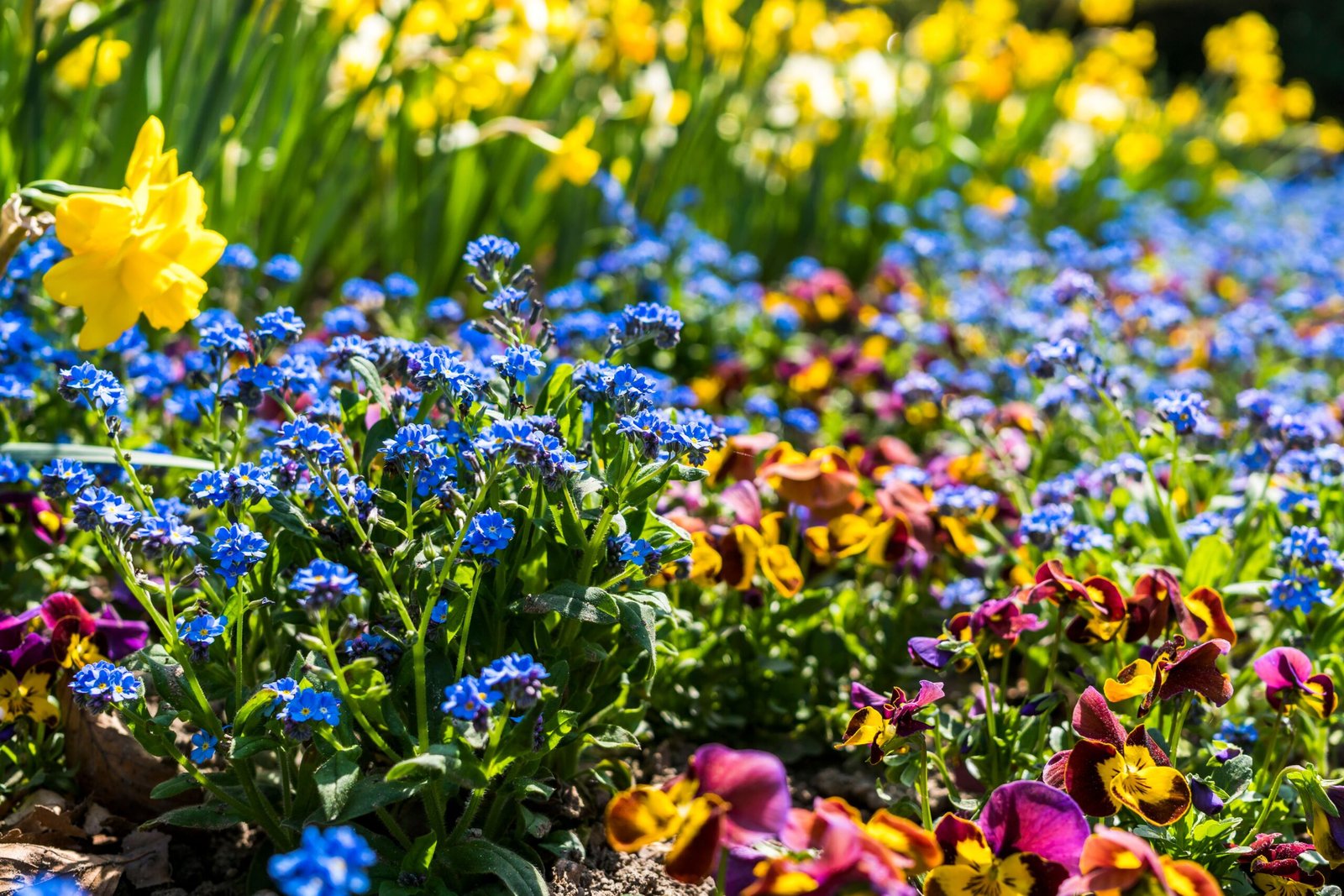
Flowers are among the most beautiful parts of nature. They come in countless shapes, sizes, colors, and fragrances, making them popular for gardens, decorations, gifts, celebrations, and landscaping. From classic roses to cheerful sunflowers, every flower has its own appearance and special qualities.
Understanding the different types of flowers can help you choose the right plants for your garden, select meaningful gifts, or create attractive floral arrangements. Some flowers grow best in warm, sunny conditions, while others prefer cooler temperatures or shaded areas. This guide explores popular flower varieties, their characteristics, uses, and tips for choosing the right ones.
1. What Are the Different Types of Flowers?
Flowers can be grouped in several ways, including their appearance, growing habits, life cycles, and environmental needs. Some are known for their fragrance, others for their bright colors, and some are valued because they attract pollinators such as bees and butterflies.
A useful starting point is to explore popular flower varieties. Each type offers different benefits, whether you want a colorful garden, a long-lasting bouquet, or a low-maintenance outdoor space.
Some of the most popular types of flowers include:
- Roses: Classic flowers known for their layered petals and fragrance.
- Tulips: Cup-shaped flowers that are especially popular in spring.
- Sunflowers: Tall plants with large flower heads that usually face the sun when young.
- Lilies: Elegant flowers with prominent petals and often a noticeable fragrance.
- Daisies: Simple, cheerful flowers with a central disk surrounded by petals.
- Orchids: A diverse group of flowers admired for their unusual shapes.
- Marigolds: Bright flowers commonly grown in gardens and containers.
- Carnations: Long-lasting flowers frequently used in bouquets.
- Hydrangeas: Shrubs that produce large clusters of small flowers.
- Jasmine: Fragrant flowers popular in gardens and traditional floral uses.
These varieties are suitable for different purposes, so the best choice depends on your climate, available space, and personal preferences.
2. Popular Types of Flowers and Their Characteristics
Roses are among the most recognizable flowers in the world. They are available in red, pink, white, yellow, orange, and many other shades. Roses are often associated with love and appreciation, making them popular for weddings, anniversaries, and special occasions.
Tulips are another favorite, especially in spring gardens. Their smooth, cup-shaped blooms come in a wide range of colors, and they are commonly grown from bulbs. Tulips work beautifully in garden beds, borders, and indoor floral arrangements.
Sunflowers are known for their large golden flower heads and tall stems. They grow well in sunny locations and can provide seeds for birds and people, depending on the variety. Smaller sunflower varieties are also suitable for containers and compact gardens.
Lilies add an elegant appearance to gardens and bouquets. Different lily varieties have different colors, shapes, and fragrances, so it is worth checking the variety before planting. Some lilies are toxic to cats, making careful placement especially important in homes with pets.
Orchids are admired for their distinctive shapes and long-lasting blooms. Many popular indoor orchids, such as Phalaenopsis, grow well in bright indirect light and require a suitable growing medium rather than ordinary garden soil.
3. Types of Flowers Based on Their Life Cycle
Flowers and flowering plants can also be classified according to how long they live. Understanding these categories helps gardeners plan planting schedules and decide how much maintenance a garden may need.
Annual flowers complete their life cycle in one growing season. They grow, flower, produce seeds, and then die. Examples include petunias, zinnias, marigolds, and cosmos. Annuals are useful when you want to change your garden’s color scheme every year.
Perennial flowers can live for several years, often flowering again during suitable growing seasons. Examples include coneflowers, daylilies, lavender, and some varieties of daisies. They are a good option for gardeners who want plants that return year after year.
Biennial plants generally complete their life cycle over two growing seasons. They often produce leaves during the first year and flowers and seeds during the second. Foxgloves and some hollyhocks are examples commonly grown as biennials.
Choosing a combination of annuals and perennials can create a garden with changing seasonal color and reliable returning plants.
4. Types of Flowers by Color
Flower color is an important consideration when designing a garden or selecting a bouquet. Different colors can create different moods and visual effects, while combining complementary shades can make floral displays more attractive.
- Red flowers: Roses, poppies, and red tulips create bold and eye-catching displays.
- Pink flowers: Peonies, carnations, cherry blossoms, and pink roses offer a soft appearance.
- Yellow flowers: Sunflowers, daffodils, and yellow marigolds bring brightness to gardens.
- White flowers: Gardenias, white lilies, jasmine, and white roses create an elegant look.
- Purple flowers: Lavender, irises, and violets add rich color and contrast.
- Orange flowers: Marigolds, calendula, and orange lilies provide warm, vibrant shades.
- Blue flowers: Hydrangeas, delphiniums, and cornflowers are popular choices for blue floral displays.
When planning a flower bed, consider how colors will look together. For example, purple lavender beside yellow marigolds creates a strong contrast, while white flowers can help balance brighter colors.
5. Best Types of Flowers for Gardens and Home Decoration
The best flowers for a garden depend on sunlight, soil, temperature, water availability, and the amount of space you have. Some flowers are suitable for large outdoor beds, while others grow well in pots, hanging baskets, or indoor containers.
For sunny gardens, sunflowers, zinnias, marigolds, and petunias can be attractive options. These plants generally need plenty of light, although their exact watering and temperature requirements vary by variety.
For partly shaded spaces, consider impatiens, begonias, and certain hydrangeas. They can add color to areas that do not receive strong direct sunlight throughout the day. Always check the needs of the particular variety before planting.
For indoor decoration, orchids and African violets are popular choices. They can brighten rooms when placed in suitable light and cared for according to their watering requirements. Avoid placing most indoor flowering plants in dark corners or directly beside hot air vents.
For bouquets and special occasions, roses, carnations, lilies, tulips, and chrysanthemums are commonly used. Their different shapes and colors make it easy to create arrangements for birthdays, weddings, celebrations, and everyday decoration.
6. How to Choose and Care for Different Types of Flowers
Choosing flowers becomes easier when you understand your growing conditions. Before purchasing seeds or plants, check how much sunlight your garden receives, whether the soil drains well, and what temperatures are typical in your area.
Follow these practical steps to help your flowers grow successfully:
- Choose suitable varieties: Select flowers that match your local climate and growing season.
- Check sunlight needs: Some flowers need full sun, while others grow better in partial shade.
- Prepare the soil: Use suitable soil with good drainage and add compost when appropriate.
- Water carefully: Water according to each plant’s needs instead of following one schedule for every flower.
- Remove dead blooms: Deadheading can encourage additional flowering in many varieties.
- Watch for pests: Inspect leaves and stems regularly for insects, disease, or damage.
- Use suitable containers: Choose pots with drainage holes when growing flowers in containers.
One common gardening mistake is overwatering. Soil that stays constantly wet can damage roots and encourage fungal problems. Check the soil before watering, and remember that plants in containers may dry out faster than those growing in garden beds.
7. Benefits of Growing Flowers
Flowers offer more than visual beauty. They can make outdoor spaces more welcoming, provide food for pollinators, and support a healthier garden environment when suitable varieties are selected.
Many flowering plants attract bees, butterflies, and other pollinating insects. Lavender, coneflowers, sunflowers, and native wildflowers can provide valuable nectar or pollen, depending on the species and local conditions.
Flowers can also improve the appearance of homes, balconies, parks, and public spaces. Growing them can be an enjoyable hobby that encourages people to spend time outdoors and learn about plant care.
Some flowers are also used in perfumes, teas, cooking, and traditional cultural practices. However, not every flower is safe to eat or use on the skin. Always confirm a plant’s identity and safety before consuming it or using it for homemade products.
Frequently Asked Questions About Types of Flowers
1. What are the most popular types of flowers?
Roses, tulips, sunflowers, lilies, daisies, orchids, marigolds, carnations, and hydrangeas are among the most popular flowers. They are widely used in gardens, bouquets, and decorative arrangements.
2. How many types of flowers are there?
There are hundreds of thousands of flowering plant species worldwide. The exact number depends on botanical classification and ongoing scientific research, and many cultivated varieties and hybrids also exist.
3. Which flowers are easiest to grow for beginners?
Marigolds, zinnias, sunflowers, cosmos, and some petunias are often suitable for beginners. Their success still depends on appropriate sunlight, soil, watering, and local growing conditions.
4. Which flowers bloom throughout the year?
No single flower blooms continuously in every climate. However, gardeners can choose different seasonal varieties and combine plants with overlapping flowering periods to maintain color for much of the year.
5. What are the main categories of flowers?
Flowering plants are commonly grouped by life cycle into annuals, biennials, and perennials. They can also be classified by color, growing conditions, flower structure, and botanical family.
6. Which flowers are best for attracting butterflies and bees?
Lavender, coneflowers, sunflowers, zinnias, and native flowering plants can attract pollinators. Choosing varieties suited to your region and avoiding harmful pesticide use can make a garden more pollinator-friendly.
7. Which flowers are best for indoor decoration?
Orchids, African violets, peace lilies, and some begonias are popular indoor flowering plants. Their success depends on suitable light, watering, humidity, and temperature.
Conclusion
Exploring different types of flowers makes it easier to choose plants that match your garden, home, and personal style. From colorful roses and tulips to cheerful sunflowers and fragrant jasmine, every flower brings something unique to the natural world.
Before choosing a variety, consider its growing season, sunlight requirements, water needs, and suitability for your local climate. With thoughtful selection and regular care, you can create beautiful flower displays that attract pollinators, brighten your surroundings, and provide enjoyment throughout the year.



Chitty Chitty Film: Complete Guide to the Classic Movie, Cast, Story and Songs (2026)

Instructables: What It Is, How It Works, Best DIY Projects and Complete Beginner’s Guide (2026)

Billy Graham Library: History, Location, Hours, Tickets, Exhibits and Visitor Guide (2026)


 Blog4 months ago
0844 879 1719: Who Called Me and Is This Number a Scam in 2026?
- Celebrity5 months ago
Oona Gray Seppala: Everything You Need to Know About Sarah Rafferty’s Daughter
- Celebrity5 months ago
Judy Helkenberg: Biography, Early Life, Career, Personal Journey, and Legacy
- Tech3 months ago
Get in Touch on TurboGeek.org: Complete Contact and Support Guide for 2026
- News5 months ago
Carl Ellan Kelley: The Untold Story, Biography, Family, and Legacy
- Business2 months ago
Riches in the Shadows: Complete 2026 Guide, Story, Meaning, and Where to Watch
- Business4 months ago
Business Ftasiastock: The Complete 2026 Guide to Market Intelligence, Business Trends, and Financial Insights
- Celebrity4 months ago
Tanya Tehanna Bio: Career, Background, Achievements, and Public Recognition in 2026