
Blog
Garfield Monument Cleveland OH: A Complete Guide to the James A. Garfield Memorial in 2026

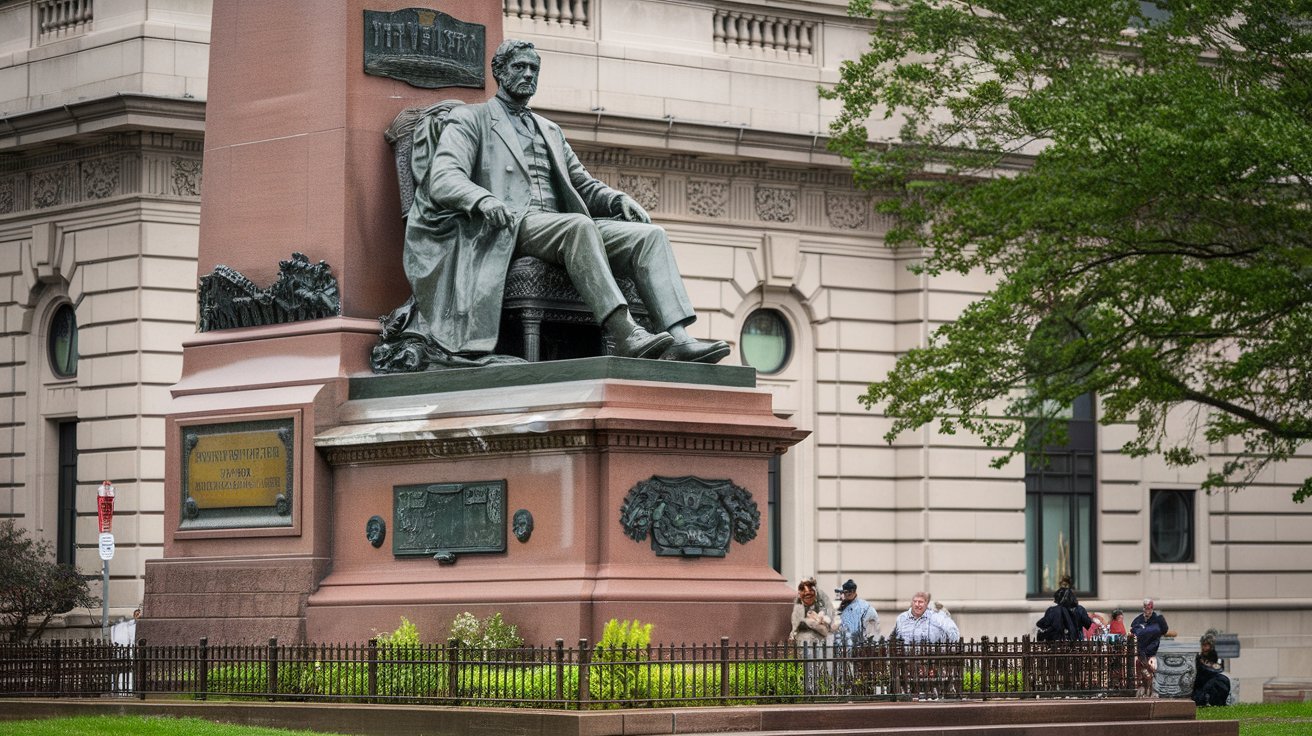
The Garfield Monument Cleveland OH, officially known as the James A. Garfield Memorial, is one of Cleveland’s most distinctive historic landmarks. Located inside Lake View Cemetery at 12316 Euclid Avenue, the impressive structure serves both as the final resting place of President James A. Garfield and as a memorial to the 20th president of the United States. Its dramatic tower, detailed stonework, stained glass, sculptures, and elevated position make it an important destination for people interested in American history, architecture, presidential memorials, and Cleveland landmarks.
Built in the late 19th century, the monument remains one of the most recognizable structures in Northeast Ohio. The City of Cleveland lists the landmark as dating to 1890 and identifies architect George Keller as its designer.
What Is the Garfield Monument in Cleveland OH?
The Garfield Monument is a monumental mausoleum and memorial dedicated to James A. Garfield, who served as the 20th President of the United States in 1881. Garfield was born in Ohio, became a teacher and college principal, served in the Civil War, entered Congress, and eventually became president.
His presidency was tragically short. Garfield was shot in Washington, D.C., on July 2, 1881, and died from his wounds on September 19 of that year. He had expressed a wish to be buried at Lake View Cemetery, and after his death, plans developed for a major memorial at one of the cemetery’s highest points.
Construction of the monument began in 1885, and the completed structure was dedicated on May 30, 1890. A national fundraising effort supported the project, demonstrating the enormous public respect for Garfield after his assassination.
Today, the monument remains both a presidential tomb and historic architectural landmark.
Where Is Garfield Monument Located?
The James A. Garfield Memorial is located at 12316 Euclid Avenue, Cleveland, Ohio 44106, within historic Lake View Cemetery. The monument stands close to the Cleveland–Cleveland Heights area and occupies a prominent position on elevated ground inside the cemetery.
Lake View Cemetery itself is an important Cleveland destination. Established in the late 19th century, it is known for its landscaped grounds, historic monuments, notable burials, and architectural attractions. The cemetery stretches between the Mayfield and Euclid Avenue areas on Cleveland’s eastern side.
For visitors searching online for “Garfield Monument Cleveland OH,” “Garfield Memorial Cleveland,” or “James Garfield tomb Cleveland,” the Lake View Cemetery location is the key destination to remember.
The monument is also identified by the City of Cleveland as a designated landmark. Its official landmark listing gives 1890 as the date and George Keller as the architect.
Garfield Monument Architecture and Design
One of the biggest reasons the Garfield Monument Cleveland OH attracts visitors is its unusual combination of architectural styles. The structure incorporates Romanesque, Gothic, and Byzantine influences, creating an appearance that is both imposing and highly decorative. Case Western Reserve University’s Encyclopedia of Cleveland History describes it as a combination of these traditions and notes its importance as an early American mausoleum combining memorial and tomb functions.
The monument rises approximately 180 feet and is constructed primarily from native Ohio sandstone, giving the building its distinctive warm-colored exterior. The circular tower rises above a broad stone terrace and creates a dramatic silhouette over Lake View Cemetery.
Architect George Keller, based in Hartford, Connecticut, won a national competition for the design. He was assisted by John S. Chapple, who supervised important mosaic and stained-glass work. Sculptor Caspar Buberl created the exterior historical relief panels.
The exterior contains five life-size bas-relief panels representing different stages of Garfield’s life and career. Inside, visitors can see a life-size white marble statue of Garfield created by sculptor Alexander Doyle. The combination of sculpture, stone, mosaics, stained glass, and architectural detail makes the monument much more than a conventional grave site.
What Can You See Inside the Garfield Memorial?
The interior of the Garfield Memorial is designed around a central memorial space and rotunda. A prominent statue of President Garfield stands within the memorial room, while the building’s upper levels provide visitors with different perspectives of the architecture.
The crypt below contains the remains of James A. Garfield and his wife, Lucretia Garfield. The ashes of their daughter Mary and son-in-law Joseph Stanley-Brown are also associated with the crypt.
One of the most memorable visitor experiences is the opportunity to climb toward the upper portion of the monument. An observation area provides impressive views across Cleveland and Lake Erie, making the visit valuable for both history enthusiasts and people who enjoy city views.
Following major preservation work, the memorial reopened to the public after restoration projects addressed structural components, exterior masonry, and windows. Ohio Magazine reported that the restoration included cleaning and repointing the exterior and restoring the beautiful glass windows.
Garfield Monument Restoration and Preservation
Because the monument is more than a century old, preservation has been essential to protecting it for future generations. Lake View Cemetery undertook significant restoration work over several phases.
Structural work began in 2016, including reinforcement of beams and columns in the memorial’s basement. Later work concentrated on the exterior, including cleaning, masonry repair, repointing, and restoration of windows.
News 5 Cleveland reported that the broader restoration represented a $7 million, three-phase project, including work beneath the monument and repairs involving its historic steps.
These efforts are important because the Garfield Monument is not simply an old building. It is a significant part of Cleveland’s architectural and presidential history, and preserving its original character allows future visitors to experience the monument much as earlier generations did.
The National Park Service has also recognized the site’s historical importance. Its nearby-attractions information describes the Garfield Memorial as the place where the 20th president is interred and highlights its 180-foot Berea sandstone structure.
Visiting Garfield Monument Cleveland OH in 2026
For anyone planning a Garfield Monument Cleveland OH visit in 2026, it is sensible to check current opening information before traveling because access to the memorial can vary by season, preservation work, events, or cemetery operations.
The landmark’s listed address is 12316 Euclid Avenue, Cleveland, OH 44106, and the listed phone number for Lake View Cemetery is 216-421-2665.
The memorial has historically operated on a seasonal schedule, with published visitor information indicating regular public access during the warmer months. A previous visitor guide listed the memorial as open Wednesday through Sunday, 10 a.m. to 4 p.m., from May through October. Because schedules can change, checking directly with Lake View Cemetery before a 2026 visit is recommended.
The surrounding cemetery is also worth exploring. Lake View’s landscaped grounds contain numerous historic monuments, notable graves, mature trees, and architectural landmarks. The cemetery regularly hosts educational programs, tours, commemorations, and historical events, making it possible to turn a visit to the Garfield Monument into a broader Cleveland history experience.
Why the Garfield Monument Is Important to Cleveland
The Garfield Monument Cleveland OH represents much more than the memory of one president. It reflects the relationship between James A. Garfield, Ohio, Cleveland, and the broader American public during a period when presidential memorials were becoming important expressions of national remembrance.
Its location at Lake View Cemetery is significant because Garfield had personally expressed his desire to be buried there. The monument’s elevated position, monumental scale, and elaborate interior communicate the respect that followed his death.
The memorial is also an excellent example of 19th-century American monumental architecture. Its mixture of Romanesque, Gothic, and Byzantine influences makes it visually different from many other presidential memorials in the United States.
For travelers, students, history enthusiasts, photographers, architecture lovers, and Cleveland residents, the site provides several experiences in one location: presidential history, cemetery history, sculpture, architecture, conservation, and panoramic views.
Conclusion
The Garfield Monument Cleveland OH, or James A. Garfield Memorial, remains one of the most important historic attractions in Cleveland. Completed in 1890, the 180-foot monument combines a presidential tomb with remarkable Romanesque, Gothic, and Byzantine-inspired architecture. Its Ohio sandstone construction, historical reliefs, stained glass, mosaics, central statue, crypt, and elevated views make it an especially memorable Cleveland landmark.
A visit in 2026 offers an opportunity to learn about President James A. Garfield while also experiencing one of Lake View Cemetery’s most impressive architectural treasures. Because visitor hours can be seasonal, we recommend confirming access and current schedules with Lake View Cemetery before making a dedicated trip.
Frequently Asked Questions
Where is the Garfield Monument in Cleveland?
The monument is located inside Lake View Cemetery at 12316 Euclid Avenue, Cleveland, Ohio 44106.
Who is buried at the Garfield Monument?
President James A. Garfield and his wife Lucretia Garfield are entombed there. The crypt also contains the ashes of their daughter Mary and her husband Joseph Stanley-Brown.
How tall is the Garfield Monument?
The monument is approximately 180 feet tall, making it one of the most prominent structures in Lake View Cemetery.
Who designed the Garfield Monument?
George Keller of Hartford, Connecticut, won the design competition. John S. Chapple and sculptor Caspar Buberl also played important roles in its construction and decoration.
Can visitors see Garfield’s tomb?
Yes. Visitor information describes the caskets of James and Lucretia Garfield as being on display in the crypt beneath the memorial.
Is the Garfield Monument worth visiting?
Yes. It is particularly worthwhile for anyone interested in presidential history, Cleveland history, historic architecture, sculpture, cemeteries, or panoramic views of Cleveland and Lake Erie.
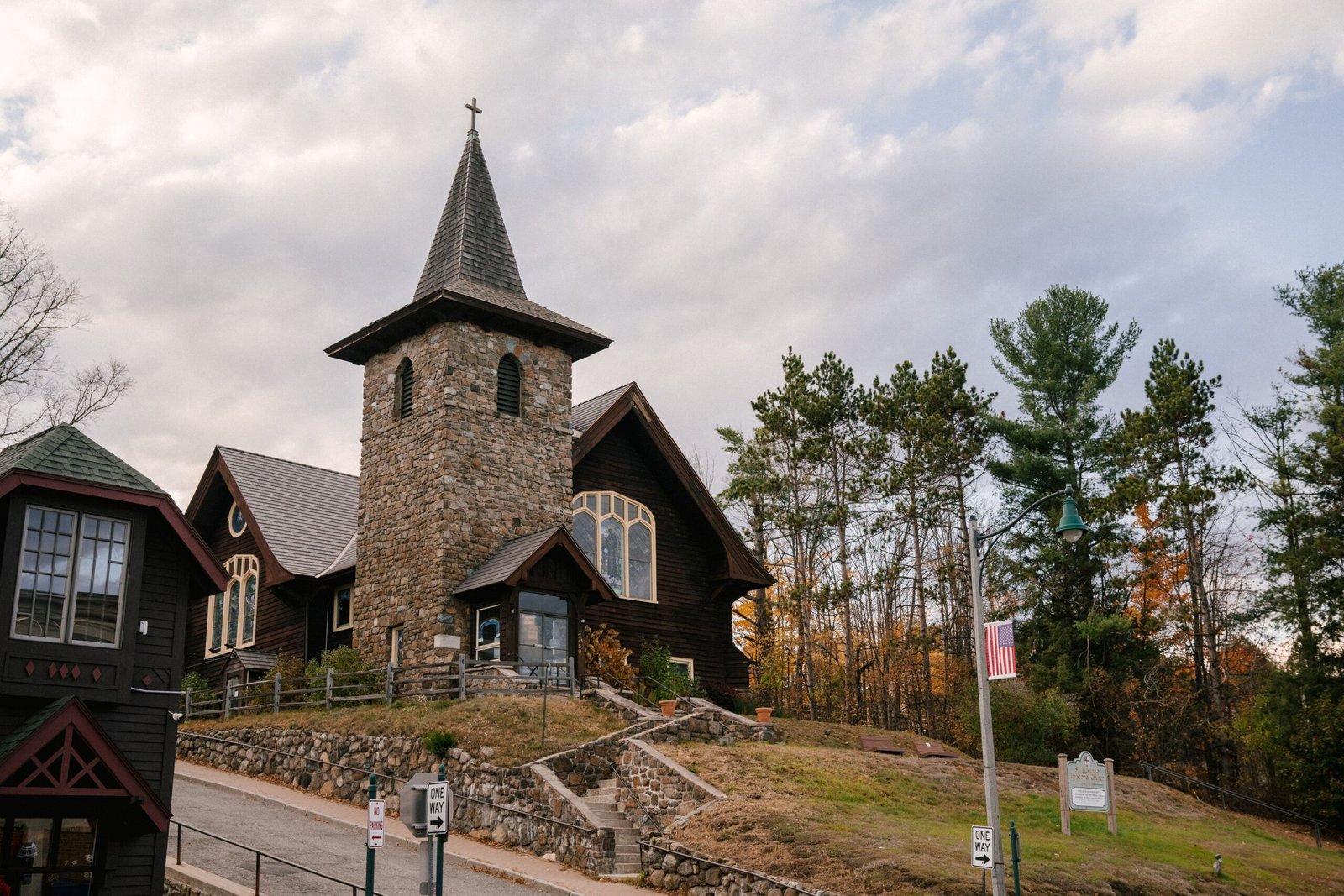
The Billy Graham Library is a popular Christian historical attraction in Charlotte, North Carolina, USA. It celebrates the life, ministry, and legacy of world-famous evangelist Billy Graham. Visitors from different countries come to explore his personal story, learn about his religious work, and discover how his message influenced millions of people around the world.
Whether you are planning your first visit, researching Billy Graham’s history, or looking for information about the library’s exhibits, this guide covers the important details. You will learn about its location, opening hours, admission, major attractions, visitor experience, and the history behind this well-known destination.
What Is the Billy Graham Library?
The Billy Graham Library is a multimedia visitor experience dedicated to the life, Christian faith, and worldwide ministry of evangelist Billy Graham. It is located on the property of the Billy Graham Evangelistic Association in Charlotte, North Carolina. Unlike a traditional library filled mainly with books, it combines historical exhibits, photographs, videos, personal belongings, and interactive displays.
The library officially opened on May 31, 2007, following a dedication ceremony attended by Billy Graham and several distinguished guests. Its central purpose is to share the Christian message that shaped Graham’s ministry and introduce visitors to his journey from a young farm boy to an internationally recognized preacher.
The building covers approximately 40,000 square feet and is designed to resemble a dairy barn, reflecting Billy Graham’s childhood and family background. Its cross-shaped entrance is another important architectural feature that represents the Christian message at the heart of the visitor experience.
Where Is the Billy Graham Library Located?
The Billy Graham Library is located at 4330 Westmont Drive, Charlotte, North Carolina 28217, United States. It is situated near Billy Graham Parkway and is easily accessible by car from major roads in the Charlotte area. Its location also makes it a convenient attraction for visitors exploring other destinations around the city.
Travelers can use GPS navigation or online maps to find the main entrance. The property provides free parking for cars, buses, recreational vehicles, and visitors who need accessible parking spaces. Visitors coming from outside Charlotte should check their travel route before departure to avoid unnecessary delays.
The library is built close to the area where Billy Graham grew up, making the location historically meaningful. Its landscaped grounds, peaceful surroundings, and carefully designed buildings create a welcoming environment for families, church groups, students, and history enthusiasts.
Billy Graham Library Hours and Admission Fees
One of the most attractive features of the Billy Graham Library is that general admission is free. Visitors can explore the main exhibits and take the Journey of Faith tour without purchasing an entrance ticket. The library is supported through donations, allowing people from different backgrounds to experience its historical and religious displays.
The regular opening schedule is Monday through Saturday, from 9:30 a.m. to 5:00 p.m. The library is closed on Sundays, Thanksgiving, Christmas Eve, Christmas Day, and New Year’s Day. Visitors should check the official website before traveling because special events, holidays, or maintenance can affect opening arrangements.
The last complete Journey of Faith tour begins at 3:30 p.m., so arriving earlier is recommended. Although admission is free, visitors are encouraged to make reservations, regardless of group size, to help the library prepare for their visit.
What Can You See Inside the Billy Graham Library?
The main attraction is The Journey of Faith, a self-guided experience that takes approximately 90 minutes to complete. It presents important moments from Billy Graham’s childhood, personal life, Christian faith, and international ministry through multimedia presentations, photographs, historical objects, and interactive displays.
Visitors can also explore exhibits organized around four central themes: The Man, The Message, The Ministry, and The Mission. These sections explain how Graham developed his religious beliefs, communicated the Gospel, organized evangelistic campaigns, and reached audiences across different countries.
Another interesting attraction is Billy Graham’s personal book collection, which includes more than 3,700 titles. Visitors can also discover historic photographs, ministry memorabilia, and displays highlighting important moments from his life. The experience provides historical information while explaining the religious purpose behind his work.
The Graham Family Homeplace, Prayer Garden and Other Attractions
The Graham Family Homeplace is one of the most meaningful places to explore during a visit. This restored childhood home is where Billy Graham lived from the age of nine until he left for college. It contains family photographs and personal items that offer a closer look at his early life and upbringing.
Another peaceful attraction is the Memorial Prayer Garden, where visitors can spend time reflecting and remembering important people connected with Graham’s ministry. The garden includes the burial sites of Billy Graham, his wife Ruth Bell Graham, and several longtime members of his evangelistic team.
Visitors can also stop at Ruth’s Attic bookstore, which offers Bibles, Christian books, gifts, and other inspirational items. The Graham Brothers Dairy Bar is another popular stop, serving sandwiches, salads, coffee, cookies, and ice cream. These additional attractions make the library experience more complete and enjoyable.
Special Events and New Exhibits at the Billy Graham Library in 2026
The Billy Graham Library hosts special programs and seasonal activities throughout the year. These events give returning visitors new opportunities to learn about Christian history, explore different aspects of Graham’s ministry, and participate in family-friendly experiences.
In February 2026, the library reopened with a new permanent section in The Journey of Faith highlighting Billy Graham’s statue in the United States Capitol. It also introduced a special exhibit called The Calling of an Evangelist, commemorating the 40th anniversary of the 1986 Amsterdam Conference for Evangelists.
Another major seasonal attraction is Christmas at the Library, scheduled for December 1–23, 2026. Visitors can enjoy a live nativity, horse-drawn carriage rides, Christmas lights, carolers, and festive refreshments. These seasonal activities offer families another reason to visit the library during the holiday period.
Tips for Planning Your Visit to the Billy Graham Library
Planning ahead can help you enjoy the Billy Graham Library without feeling rushed. Visitors should ideally allow two to three hours to explore the main exhibits, childhood home, prayer garden, bookstore, and dairy bar. Comfortable walking shoes are recommended because the experience involves standing and walking across different areas of the property.
Reservations are requested for all visitors, and groups should arrange their visit in advance. Photography is permitted inside the exhibit areas, but flash photography should be avoided. Visitors who need wheelchairs or strollers are encouraged to bring their own because availability may be limited.
It is also important to remember that personal food and beverages are not allowed on the property. Food and drinks can be purchased at the Graham Brothers Dairy Bar. Service animals are permitted inside the library, while pets must remain in the designated outdoor pet area.
Frequently Asked Questions About the Billy Graham Library
1. Where is the Billy Graham Library located?
The library is located at 4330 Westmont Drive, Charlotte, North Carolina 28217, USA. It is situated near Billy Graham Parkway and is accessible by car.
2. Is admission to the Billy Graham Library free?
Yes, general admission and the Journey of Faith tour are free. Visitors can also make optional donations to support the library’s activities.
3. What are the opening hours of the Billy Graham Library?
The regular hours are Monday through Saturday, 9:30 a.m. to 5:00 p.m. The library is closed on Sundays and selected public holidays.
4. How long does a visit take?
The main Journey of Faith tour takes approximately 90 minutes. Visitors should plan around two to three hours to explore the other attractions.
5. Can children visit the Billy Graham Library?
Yes, the library welcomes families and children. Its multimedia exhibits, historical displays, and family-friendly activities make it an interesting educational destination.
6. Do visitors need reservations?
The library requests reservations for all visitors, regardless of group size. Booking ahead is a helpful way to organize your visit.
Conclusion
The Billy Graham Library is more than a traditional historical attraction. It offers visitors an opportunity to explore the life, faith, and worldwide ministry of one of the most influential Christian evangelists of the modern era. From The Journey of Faith and the restored family home to the Memorial Prayer Garden and Ruth’s Attic, every part of the experience provides something meaningful to discover.
With free admission, convenient parking, informative exhibits, and special seasonal events, the library is a worthwhile destination in Charlotte, North Carolina. Whether you are interested in Christian history, family travel, or Billy Graham’s legacy, planning a visit can provide a memorable and educational experience.

CST Time is a commonly searched keyword by people who want to understand the meaning of CST, check the current time in the CST time zone, and learn how it differs from other international time zones. Whether you are scheduling an online meeting, contacting someone in another country, or planning international travel, understanding CST time can help you avoid confusion.
In this guide, you will learn what CST means, which countries use it, how to convert CST into other time zones, and the difference between CST and CDT. This article covers the important questions readers may have about CST time in 2026.
What Does CST Time Mean?
The full form of CST is Central Standard Time when referring to the North American time zone. It is used in parts of the United States, Canada, Mexico, and Central America. This time zone follows UTC−6, which means it is six hours behind Coordinated Universal Time (UTC).
For example, when the time is 12:00 PM in UTC, it is 6:00 AM in Central Standard Time. This time difference is important for people working with international companies, attending virtual meetings, or communicating with friends and family in North America.
It is important to understand that CST can have different meanings in different countries. In China, CST stands for China Standard Time, which follows UTC+8. Therefore, readers should always check the country or city before using a CST time conversion.
What Is the Current CST Time in 2026?
The current CST time depends on the location and whether that region follows daylight saving time. In North America, Central Standard Time is used during the standard-time period, generally from November until March. During this period, the time difference remains UTC−6.
In 2026, daylight saving time in most participating US regions ended on November 1, 2026. Clocks moved back by one hour, and the affected areas returned to Central Standard Time. As of November 14, 2026, these locations are observing CST rather than CDT.
To check the latest CST time, you can use an online world clock, smartphone clock, or reliable time-zone website. Search for Central Standard Time or the specific city, such as Chicago or Dallas, to avoid confusing it with another time zone that uses the same abbreviation.
Which Countries and Cities Use CST Time?
Central Standard Time is observed in several regions across North America. In the United States, it covers cities and areas in states such as Texas, Illinois, Wisconsin, Minnesota, Louisiana, and parts of other states. Popular cities in this time zone include Chicago, Dallas, Houston, and Minneapolis.
Canada also uses Central Standard Time in certain regions, including parts of Manitoba and surrounding areas. Mexico and some Central American countries also have regions that use Central Time, although local time-zone rules can differ.
Here are some well-known cities associated with the North American Central Time Zone:
Chicago, USA
Dallas, USA
Houston, USA
Minneapolis, USA
Winnipeg, Canada
Mexico City, Mexico
Not every location follows identical daylight saving rules. For accurate scheduling, it is better to check the individual city’s current time instead of assuming that every place using Central Time has the same seasonal clock changes.
CST vs CDT: What Is the Difference?
One of the most common questions about CST time is how it differs from CDT. Both abbreviations are associated with the North American Central Time Zone, but they are used during different parts of the year. Understanding this difference helps people avoid mistakes when arranging international appointments.
CST (Central Standard Time) is UTC−6, while CDT (Central Daylight Time) is UTC−5. CDT is generally used during daylight saving time, when participating regions move their clocks forward by one hour. CST returns when daylight saving time ends.
For example, if it is 10:00 AM UTC, the corresponding time is 4:00 AM CST or 5:00 AM CDT. The difference is only one hour, but it can affect business meetings, flight schedules, online events, and deadlines.
| Time Zone | UTC Offset |
|---|---|
| CST | UTC−6 |
| CDT | UTC−5 |
| EST | UTC−5 |
| MST | UTC−7 |
| PST | UTC−8 |
This table refers to the standard North American time-zone abbreviations and their respective offsets.
How to Convert CST Time to Other Countries
Converting CST time into another country’s local time is useful for international communication. The easiest method is to identify the UTC offset of both locations and calculate the difference. During North American standard time, Pakistan is 11 hours ahead of CST because Pakistan Standard Time follows UTC+5.
For example, when it is 8:00 AM CST, it is 7:00 PM in Pakistan on the same day. However, during the North American daylight saving period, the difference changes to 10 hours because Central Daylight Time follows UTC−5.
Here are some examples of time differences during North American standard time:
| Location | Time Difference from CST |
|---|---|
| Pakistan | 11 hours ahead |
| India | 11 hours and 30 minutes ahead |
| United Kingdom (GMT) | 6 hours ahead |
| New York (EST) | 1 hour ahead |
| Los Angeles (PST) | 2 hours behind |
| UTC | 6 hours ahead |
These examples assume the listed locations are observing the specified standard-time offsets. Seasonal clock changes can affect the differences, so always verify the date before scheduling an important meeting.
Why Is CST Time Important for Businesses and Daily Life?
CST time plays an important role in international business, remote employment, education, travel, and online communication. Many companies operate across different countries, making accurate time-zone information necessary for managing employees, customers, and business partners.
For example, a freelancer living in Pakistan who works with a company in Chicago needs to understand the 11-hour time difference during CST. Knowing the correct local time helps the freelancer attend meetings, submit assignments, and communicate professionally without missing deadlines.
CST is also useful for students attending online classes, travelers checking flight schedules, and people following international events. Using a world clock or calendar application with automatic time-zone conversion can make these activities much easier.
Another important consideration is that CST is an ambiguous abbreviation. It can refer to Central Standard Time in North America or China Standard Time in Asia. China Standard Time follows UTC+8 and is used throughout mainland China, making it very different from North American CST.
Frequently Asked Questions About CST Time
1. What is the full form of CST?
CST commonly stands for Central Standard Time in North America. However, it can also mean China Standard Time, depending on the country and context.
2. Is CST 6 hours behind UTC?
Yes. North American Central Standard Time follows UTC−6. However, during daylight saving time, participating regions use CDT, which follows UTC−5.
3. Is CST the same as Chicago time?
During standard time, Chicago follows CST. During daylight saving time, it follows CDT. Therefore, Chicago’s time-zone abbreviation changes throughout the year.
4. What is the time difference between CST and Pakistan?
During North American CST, Pakistan is 11 hours ahead. During CDT, Pakistan is 10 hours ahead.
5. Does China also use CST?
Yes. China uses China Standard Time (CST), which is UTC+8. It is eight hours ahead of Coordinated Universal Time and is different from North American Central Standard Time.
6. How can I check CST time online?
You can use a world clock, smartphone clock, or trusted time-zone website. Make sure you select the correct location, such as Chicago for North American Central Time or Beijing for China Standard Time.
Conclusion
CST time is an important time-zone reference for people who communicate, travel, study, or work internationally. Understanding its full form, UTC offset, daylight saving changes, and differences from other time zones makes international scheduling easier.
Remember that North American CST is UTC−6, while China Standard Time is UTC+8. Always confirm the location and date before converting time or arranging an important appointment. With the right time-zone information, you can avoid confusion and manage your daily activities more effectively.
Blog
Hickory Run State Park: Best Things to Do, Hiking Trails, Boulder Field, Camping, and Visitor Guide

Hickory Run State Park is one of Pennsylvania’s most beautiful outdoor destinations, offering scenic forests, fascinating geological attractions, peaceful lakes, waterfalls, and miles of hiking trails. Located in Carbon County in the western foothills of the Pocono Mountains, this large state park attracts nature lovers, families, photographers, and outdoor adventure enthusiasts.
Covering approximately 15,990 acres, Hickory Run State Park provides plenty of opportunities to explore nature and enjoy outdoor recreation throughout the year. Its most famous attraction is Boulder Field, a remarkable landscape filled with enormous rocks that has been designated a National Natural Landmark.
Whether you are planning a family day trip, a weekend camping adventure, or a peaceful nature walk, Hickory Run State Park has something worth exploring. This guide covers the best attractions, hiking trails, swimming areas, camping facilities, directions, and practical tips to help you plan your visit.
Where Is Hickory Run State Park Located?
Hickory Run State Park is located in Carbon County, Pennsylvania, USA, near the community of White Haven. It sits within the western Pocono Mountains region and offers visitors a combination of woodland scenery, freshwater streams, natural landmarks, and recreational facilities.
The park’s main address is 3 Family Camp Road, White Haven, PA 18661. It can be reached from Interstate 80 using Exit 274, followed by approximately six miles of travel east along Pennsylvania Route 534.
The park is within approximately one hour of Allentown, Scranton, and Wilkes-Barre, making it a convenient outdoor destination for visitors in northeastern Pennsylvania. Travelers coming from Philadelphia, Harrisburg, or New York City should generally allow two to three hours, depending on traffic and their starting point.
Best Things to Do at Hickory Run State Park
There are many activities to enjoy at Hickory Run State Park, making it an excellent destination for visitors with different interests. From exploring unusual rock formations to enjoying peaceful walks through wooded landscapes, the park offers a variety of outdoor experiences.
Some of the most popular activities include:
Explore Boulder Field: Discover an extraordinary landscape covered with massive rocks.
Go hiking: Explore scenic forest trails, streams, and natural waterfalls.
Enjoy swimming: Visit the designated sandy beach at Sand Spring Lake during its operating season.
Go fishing: Enjoy fishing opportunities in the park’s streams, lakes, and ponds.
Watch wildlife: Look for deer, birds, and other animals in their natural habitats.
Enjoy photography: Capture waterfalls, colorful autumn leaves, scenic landscapes, and unusual geological formations.
Go camping: Spend time outdoors at the park’s developed campground or designated group facilities.
These activities make Hickory Run State Park suitable for both short visits and longer outdoor vacations. Visitors can combine several attractions into one trip depending on their available time and interests.
Boulder Field: The Most Famous Attraction
Boulder Field is the signature attraction of Hickory Run State Park and one of the most unusual natural landscapes in Pennsylvania. It is an enormous, relatively flat area covered with large rocks, creating a striking contrast with the surrounding green forest.
The field measures approximately 400 feet wide and 1,800 feet long, and some individual boulders reach around 26 feet in length. This remarkable geological feature developed through ancient natural processes and has remained largely unchanged for thousands of years.
Visitors can reach Boulder Field by driving along a five-mile one-way dirt loop or by hiking designated trails. The Boulder Field Trail is approximately 3.5 miles one way, so visitors should consider the return journey when planning their walk.
Wear sturdy footwear because the rocks can be uneven and unstable. Moving, stacking, or removing rocks is prohibited, as preserving this National Natural Landmark is important for future generations.
Best Hiking Trails at Hickory Run State Park
Hiking is one of the main reasons people visit Hickory Run State Park. The park features approximately 44 miles of hiking trails, passing through forests, valleys, streams, and scenic natural areas.
Whether you are a beginner or an experienced hiker, you can find trails that match your fitness level. Some routes offer short nature walks, while others provide longer adventures through more challenging terrain.
Here are some popular trails worth considering:
Hawk Falls Trail: A short, approximately 0.6-mile loop leading to a beautiful 25-foot natural waterfall. The trail is rated more difficult because of its terrain.
Shades of Death Trail: A scenic one-mile out-and-back trail featuring shaded woodland, small cascades, and historic structures.
Boulder Field Trail: A more challenging 3.5-mile one-way hiking route that leads to the famous rocky landscape.
Nature Trail: An easy 0.4-mile loop where visitors can learn about local trees and plants.
Fireline Trail: A 2.4-mile out-and-back route offering scenic views of the Lehigh River and Lehigh Gorge.
Each trail provides a different outdoor experience, so choosing the right route depends on your available time and hiking ability. Remember that listed trail distances may be one-way, meaning you should account for the return journey when calculating the total distance.
Swimming, Fishing, and Family Activities
Hickory Run State Park is also a popular destination for families who want to enjoy outdoor activities together. Sand Spring Lake features a designated swimming area with a sandy beach, making it one of the park’s main summer attractions.
Swimming is permitted only in the designated area of Sand Spring Lake. The beach generally operates from late May through mid-September, between 8:00 a.m. and sunset, although visitors should check current seasonal information before traveling.
Fishing is another enjoyable activity, with opportunities available in several park waterways. Visitors can explore fishing locations around Hickory Run, Sand Spring Run, Mud Run, and other designated waters while following Pennsylvania fishing regulations.
Families can also enjoy picnicking, wildlife watching, educational programs, and nature photography. Accessible beach facilities, parking, and nearby restrooms help make the designated swimming area more convenient for visitors with accessibility needs.
Camping and Overnight Accommodation
Camping is a wonderful way to experience Hickory Run State Park beyond a single afternoon visit. The main campground provides tent and trailer sites in forested and more open areas, allowing visitors to enjoy the peaceful surroundings of the Pocono Mountains.
The campground generally operates from mid-April through mid-December. Many sites offer electrical hookups, while some provide full hookups with water, sewer, and electricity.
Facilities include warm showers, flush toilets, a sanitary dump station, and a camp store offering supplies and other essentials. The park also provides designated camping cottages and organized group camping options for eligible visitors.
In 2026, glamping opportunities are also being introduced through a partnership with Timberline Glamping. This provides another accommodation option for visitors interested in a more comfortable outdoor experience.
Reservations can be made through the Pennsylvania State Parks reservation system. Remember that the park has an active bear population, so food and scented items must be stored securely in vehicles when required by campground rules.
Best Time to Visit Hickory Run State Park
Hickory Run State Park is open throughout the year, making it possible to experience different landscapes and activities in every season. However, the best time to visit depends on what you want to do during your trip.
Spring brings fresh greenery, flowing streams, and pleasant conditions for exploring the hiking trails. It is a beautiful time for nature photography, although some trails may remain muddy after rainfall.
Summer is ideal for swimming at Sand Spring Lake, camping, fishing, and family picnics. The swimming beach is seasonal, so checking its opening dates before visiting is important.
Fall is especially attractive because the surrounding forests display colorful foliage. Mid-October is often a particularly beautiful period for enjoying autumn scenery and taking photographs.
Winter offers a quieter atmosphere and opportunities for snowshoeing and other winter recreation. However, Boulder Field’s access road may be closed because of ice and snow, and some trails can become slippery.
Park Hours, Entrance Information, and Visitor Tips
Planning ahead can make your visit to Hickory Run State Park more enjoyable. The park is open every day of the year from sunrise to sunset, while day-use areas close at dusk.
Visitors should remember that individual facilities have different operating seasons and schedules. For example, the swimming beach and campground do not remain open throughout the entire year.
Here are some useful tips before visiting:
Arrive early: Parking areas at popular trailheads can fill quickly, especially during weekends and peak seasons.
Download a park map: Mobile phone service can be unreliable in some areas of the park.
Wear suitable footwear: Hiking boots or sturdy shoes are useful for rocky and uneven trails.
Bring drinking water: Carry enough water and snacks for your planned activities.
Check weather conditions: Rain, snow, and ice can affect hiking routes and road access.
Follow park regulations: Respect wildlife, stay on designated trails, and avoid disturbing natural features.
For current alerts, facility schedules, and visitor information, check the official Pennsylvania DCNR website.
Frequently Asked Questions About Hickory Run State Park
1. Where is Hickory Run State Park located?
Hickory Run State Park is located in Carbon County, near White Haven, Pennsylvania, in the western foothills of the Pocono Mountains. Its main address is 3 Family Camp Road, White Haven, PA 18661.
2. What is Hickory Run State Park famous for?
The park is best known for Boulder Field, a remarkable geological landscape covered with enormous rocks. It is also popular for waterfalls, hiking trails, swimming, fishing, and camping.
3. Is Hickory Run State Park free to enter?
Pennsylvania state parks generally do not charge an admission fee for ordinary day use. However, camping, certain accommodations, and some organized activities may require reservations or payment.
4. Can you swim at Hickory Run State Park?
Yes. Swimming is permitted at the designated beach area of Sand Spring Lake. The swimming season generally runs from late May through mid-September, subject to posted conditions.
5. How many hiking trails are at Hickory Run State Park?
The park offers approximately 44 miles of hiking trails. Popular options include Hawk Falls Trail, Shades of Death Trail, Boulder Field Trail, and Nature Trail.
6. Can you camp at Hickory Run State Park?
Yes. The park offers tent and trailer campsites, cottages, and organized group camping facilities. The main campground generally operates from mid-April through mid-December.
7. How long does it take to explore Hickory Run State Park?
A short visit can cover one or two major attractions, such as Boulder Field or Hawk Falls. However, visitors interested in hiking, swimming, fishing, and sightseeing should consider spending a full day or arranging an overnight stay.
8. Is Hickory Run State Park open during winter?
Yes. The park remains open throughout the year from sunrise to sunset. However, some facilities and access roads operate seasonally, and winter weather may affect hiking and sightseeing conditions.
Conclusion
Hickory Run State Park is an outstanding destination for anyone who enjoys nature, outdoor recreation, and beautiful Pennsylvania landscapes. Its famous Boulder Field, scenic Hawk Falls, peaceful hiking trails, and Sand Spring Lake provide plenty of opportunities for memorable outdoor experiences.
Whether you want to explore unusual geological formations, spend time camping with family, photograph waterfalls, or enjoy a relaxing walk through the forest, this park offers something for different types of visitors.
With proper planning, suitable equipment, and an understanding of seasonal conditions, you can make the most of your visit. If you are exploring the Pocono Mountains, Hickory Run State Park deserves a place on your travel itinerary.


Chitty Chitty Film: Complete Guide to the Classic Movie, Cast, Story and Songs (2026)

Instructables: What It Is, How It Works, Best DIY Projects and Complete Beginner’s Guide (2026)

Billy Graham Library: History, Location, Hours, Tickets, Exhibits and Visitor Guide (2026)


 Blog3 months ago
0844 879 1719: Who Called Me and Is This Number a Scam in 2026?
- Celebrity5 months ago
Oona Gray Seppala: Everything You Need to Know About Sarah Rafferty’s Daughter
- Celebrity5 months ago
Judy Helkenberg: Biography, Early Life, Career, Personal Journey, and Legacy
- Tech3 months ago
Get in Touch on TurboGeek.org: Complete Contact and Support Guide for 2026
- News5 months ago
Carl Ellan Kelley: The Untold Story, Biography, Family, and Legacy
- Business2 months ago
Riches in the Shadows: Complete 2026 Guide, Story, Meaning, and Where to Watch
- Business4 months ago
Business Ftasiastock: The Complete 2026 Guide to Market Intelligence, Business Trends, and Financial Insights
- Entertainment4 months ago
Lush Life Dance: The Complete 2026 Guide to the Viral Dance Trend, Choreography, and Social Media Popularity