
Blog
How Long Is 5 Inches? A Complete Measurement Guide for 2026

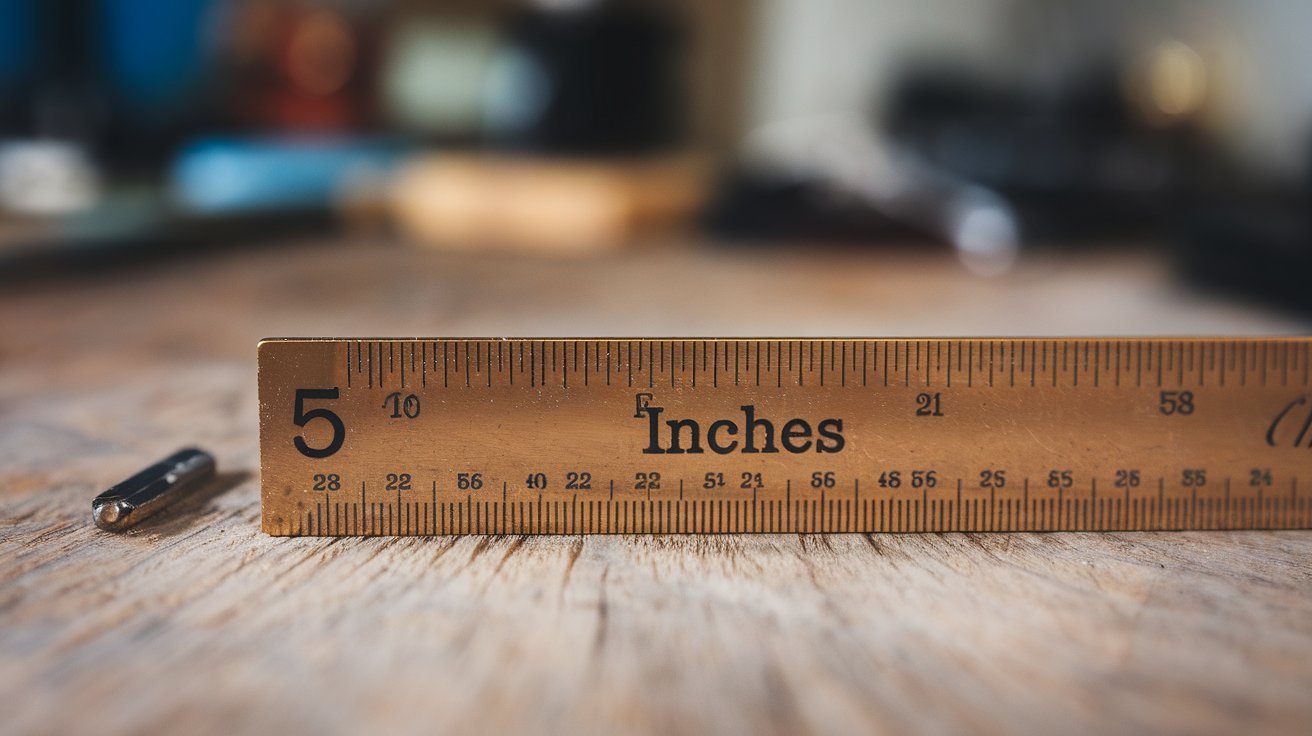
If you are wondering How Long Is 5 Inches, the exact answer is 12.7 centimeters. Five inches is also approximately 0.417 feet, 127 millimeters, or 0.127 meters.
Although five inches is a relatively small measurement, it can be surprisingly difficult to visualize without a ruler or measuring tape. A clear understanding of its equivalent measurements and comparisons with familiar objects can make the length much easier to picture.
Five inches is one inch shorter than half a foot, because half of a foot is six inches. It is also less than half the length of a standard 12-inch ruler.
This guide explains exactly how long 5 inches is, how to convert it into different measurement systems, what it looks like compared with everyday objects, and where a five-inch measurement may commonly be used.
How Long Is 5 Inches Exactly?
The direct answer is:
5 inches = 12.7 centimeters
The inch is a unit of length used primarily in the United States and several other countries. In the metric system, the equivalent measurement is expressed in centimeters or millimeters.
The exact conversions for five inches are:
- 5 inches = 12.7 centimeters
- 5 inches = 127 millimeters
- 5 inches = 0.127 meters
- 5 inches ≈ 0.4167 feet
- 5 inches ≈ 0.1389 yards
Because one inch is exactly 2.54 centimeters, the calculation is:
5 × 2.54 = 12.7 cm
Therefore, there is no rounding involved when converting five inches to centimeters.
When expressed in feet, however, five inches produces a repeating decimal:
5 ÷ 12 = 0.416666… feet
So, rounded to four decimal places, 5 inches is approximately 0.4167 feet.
How Long Is 5 Inches Compared With a Foot?
One of the easiest ways to visualize 5 inches is to compare it with a foot.
A single foot contains 12 inches. Therefore, five inches represents:
5/12 of a foot
In decimal form:
5 ÷ 12 = 0.4167 feet
Five inches is therefore less than half a foot.
Half of one foot is:
12 ÷ 2 = 6 inches
So:
5 inches = 1 inch less than half a foot
This is a useful mental reference. If you can visualize six inches, simply imagine a measurement that is one inch shorter.
Five inches is also 7 inches shorter than a full foot.
This comparison is particularly useful when reading dimensions for furniture, electronics, construction materials, boxes, shelves, and other objects where measurements may be listed in inches.
How Many Centimeters and Millimeters Is 5 Inches?
The metric equivalent of five inches is especially simple.
The international conversion is:
1 inch = 2.54 centimeters
Therefore:
5 × 2.54 = 12.7 centimeters
So:
5 inches = 12.7 cm
Since one centimeter contains 10 millimeters:
12.7 × 10 = 127 millimeters
Therefore:
5 inches = 127 mm
In meters:
12.7 ÷ 100 = 0.127 meters
Thus, the complete metric conversion is:
5 inches = 12.7 cm = 127 mm = 0.127 m
These measurements can be useful when comparing U.S. product specifications with international or metric specifications.
For example, if a product description says that an object is five inches wide, someone accustomed to metric measurements can immediately understand that its width is 12.7 centimeters.
What Does 5 Inches Look Like?
Knowing that five inches equals 12.7 centimeters is mathematically precise, but many people also want to know what 5 inches looks like in real life.
A standard 12-inch ruler provides an easy reference. Five inches is slightly less than half the length of the ruler.
Another useful comparison is the six-inch midpoint of a 12-inch ruler. Five inches would be exactly one inch before that halfway point.
Some everyday objects can provide rough visual comparisons. For example, a five-inch length may be similar to the approximate dimension of certain small electronic devices, compact household objects, stationery items, or hand measurements. However, object sizes vary, so these comparisons should only be used for visualization rather than precise measurement.
A U.S. dollar bill is approximately 6.14 inches long, meaning five inches is somewhat shorter than the long edge of a dollar bill.
The best way to visualize five inches remains a ruler or measuring tape, because these tools provide a calibrated reference rather than an approximation.
5 Inches Compared With Other Common Lengths
Comparing five inches with nearby measurements helps put the number into perspective.
| Length | Centimeters | Feet |
|---|---|---|
| 1 inch | 2.54 cm | 0.0833 ft |
| 2 inches | 5.08 cm | 0.1667 ft |
| 3 inches | 7.62 cm | 0.2500 ft |
| 4 inches | 10.16 cm | 0.3333 ft |
| 5 inches | 12.70 cm | 0.4167 ft |
| 6 inches | 15.24 cm | 0.5000 ft |
| 7 inches | 17.78 cm | 0.5833 ft |
| 8 inches | 20.32 cm | 0.6667 ft |
| 9 inches | 22.86 cm | 0.7500 ft |
| 10 inches | 25.40 cm | 0.8333 ft |
| 12 inches | 30.48 cm | 1.0000 ft |
This comparison shows that 5 inches is closer to half a foot than to one-third of a foot.
It is also exactly:
- 1 inch shorter than 6 inches
- 7 inches shorter than 1 foot
- 5/12 of a foot
- 12.7 centimeters
- 127 millimeters
- 0.127 meters
These relationships make the measurement easier to remember.
Where Is a 5-Inch Measurement Commonly Used?
A five-inch measurement can appear in many different contexts.
In technology, a device may have a screen described as five inches. Screen sizes are normally measured diagonally, so a five-inch screen does not mean the device itself is five inches wide or five inches tall.
In home improvement and DIY projects, five inches may represent the width, depth, spacing, or length of a component.
In crafting, five inches can be used for cutting fabric, paper, wood, decorative pieces, or other materials.
In packaging, a box or container may have one dimension measuring five inches.
In furniture and interior design, five inches can describe a small clearance, thickness, depth, trim dimension, or other component.
The meaning of the measurement depends on the context. Whenever a specification says 5 inches, check whether it refers to length, width, height, depth, diameter, or diagonal measurement.
Frequently Asked Questions About How Long 5 Inches Is
How long is 5 inches in centimeters?
5 inches equals exactly 12.7 centimeters.
How long is 5 inches in feet?
5 inches is approximately 0.4167 feet.
Is 5 inches half a foot?
No. Half a foot is 6 inches, so five inches is one inch shorter than half a foot.
How many millimeters are in 5 inches?
5 inches equals 127 millimeters.
How many meters is 5 inches?
5 inches equals 0.127 meters.
Is 5 inches a long measurement?
Generally, 5 inches is a short length. It is less than half a foot and measures 12.7 centimeters.
What is an easy way to visualize 5 inches?
A standard 12-inch ruler is an excellent reference. Five inches is just under half the ruler’s length.
Can we measure exactly 5 inches without a ruler?
You can estimate five inches using familiar objects, but an estimate will not necessarily be accurate. For precise work, use a ruler, measuring tape, or another calibrated measuring device.
Final Answer: How Long Is 5 Inches?
So, how long is 5 inches?
5 inches is exactly 12.7 centimeters, which is approximately 0.4167 feet, 127 millimeters, or 0.127 meters.
The most useful conversions are:
5 inches = 12.7 cm = 127 mm = 0.127 m ≈ 0.4167 ft
For an easy visual reference, remember that 5 inches is one inch shorter than half a foot. Since half a foot is six inches, this gives a simple way to estimate the size without performing a calculation.
Whether five inches appears in a product specification, DIY project, technology measurement, furniture dimension, crafting project, or everyday situation, the exact length remains the same: 12.7 centimeters.
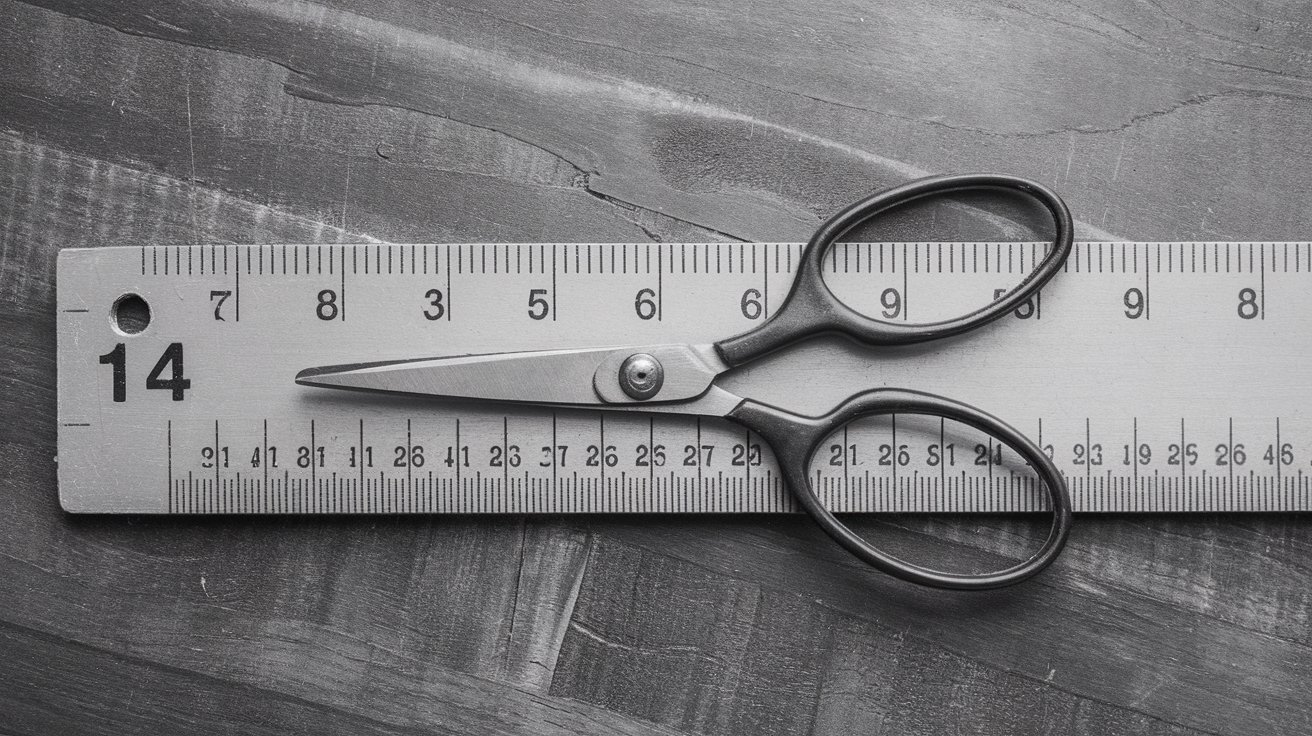
If you are wondering How Big Is 14 Inches, the exact measurement is 35.56 centimeters, 355.6 millimeters, or approximately 1.167 feet. In feet and inches, 14 inches is simply 1 foot 2 inches.
Fourteen inches is a useful measurement to understand because it appears in many everyday situations, including laptop screens, bags, furniture dimensions, boxes, clothing measurements, craft projects, tools, and household objects. However, the meaning of 14 inches can change depending on whether the measurement represents height, width, depth, length, diameter, or diagonal distance.
The easiest way to visualize 14 inches is to think of a standard 12-inch ruler plus another 2 inches. In other words, 14 inches is 2 inches longer than one foot.
How Big Is 14 Inches Exactly?
The direct answer is:
14 inches = 1 foot 2 inches
Because there are 12 inches in one foot, we can separate 14 inches into one complete foot and two additional inches:
14 inches = 12 inches + 2 inches
Therefore:
14 inches = 1 foot 2 inches
As a decimal measurement in feet:
14 ÷ 12 = 1.166666… feet
So, rounded to three decimal places:
14 inches ≈ 1.167 feet
The metric equivalents are:
- 14 inches = 35.56 centimeters
- 14 inches = 355.6 millimeters
- 14 inches = 0.3556 meters
- 14 inches ≈ 1.167 feet
- 14 inches ≈ 0.389 yards
These conversions make it easier to understand the measurement whether dimensions are presented using the imperial system or metric system.
How Many Feet Is 14 Inches?
To convert 14 inches into feet, divide the number of inches by 12.
14 ÷ 12 = 1.166666… feet
Therefore:
14 inches ≈ 1.167 feet
However, when expressing the measurement in conventional feet and inches, the answer is much easier:
14 inches = 1 foot 2 inches
This is because the first 12 inches make one complete foot, leaving:
14 − 12 = 2 inches
So, whenever you see a measurement of 14 inches, you can immediately think of it as one foot and two inches.
For comparison:
- 12 inches = 1 foot
- 13 inches = 1 foot 1 inch
- 14 inches = 1 foot 2 inches
- 15 inches = 1 foot 3 inches
- 18 inches = 1 foot 6 inches
- 24 inches = 2 feet
This makes 14 inches relatively easy to visualize on a standard ruler.
How Big Is 14 Inches in Centimeters?
The metric conversion provides another precise way to understand the size.
One inch is exactly 2.54 centimeters. Therefore:
14 × 2.54 = 35.56 centimeters
So:
14 inches = 35.56 cm
In millimeters:
35.56 × 10 = 355.6 mm
Therefore:
14 inches = 355.6 mm
And in meters:
35.56 ÷ 100 = 0.3556 m
Thus:
14 inches = 0.3556 meters
For quick reference:
| Measurement | Equivalent |
|---|---|
| 14 inches | 1 ft 2 in |
| 14 inches | 1.1667 ft |
| 14 inches | 35.56 cm |
| 14 inches | 355.6 mm |
| 14 inches | 0.3556 m |
| 14 inches | 0.3889 yd |
The most important metric conversion to remember is 14 inches = 35.56 centimeters.
What Does 14 Inches Look Like?
Numbers alone do not always make a measurement easy to visualize. To understand how big 14 inches looks, compare it with objects you already know.
A standard ruler is typically 12 inches long, so 14 inches is exactly 2 inches longer than a 12-inch ruler. If you imagine a ruler from zero to 12 inches, extend the measurement another two inches and you have 14 inches.
A 14-inch laptop provides another familiar example. In this context, however, the 14-inch measurement generally refers to the diagonal screen size, not the laptop’s physical width or height. The actual dimensions depend on the laptop’s aspect ratio and bezel design.
Fourteen inches is also approximately 35.6 centimeters, making it a little over one-third of a meter.
For everyday visualization, think of a distance slightly longer than the length of a standard sheet of printer paper along its longer side. A U.S. letter-sized sheet is 11 inches long, so 14 inches is three inches longer than that. This is only a visual comparison and should not replace an actual measuring tool.
How Big Is 14 Inches Compared With Everyday Objects?
A number of common objects can help provide a rough sense of scale.
A 14-inch laptop screen is one of the most recognizable examples. Again, the screen’s 14-inch specification refers to its diagonal rather than its width.
A standard 12-inch ruler is another excellent reference. A 14-inch measurement extends two inches beyond the end of the ruler.
A standard U.S. letter-sized sheet of paper measures 11 inches on its longer side, meaning 14 inches is about 3 inches longer.
Some small bags, storage containers, cutting boards, shelves, and household items can have dimensions around 14 inches, although their exact measurements vary.
The important thing is to distinguish between 14 inches as a linear measurement and 14 inches as a diagonal measurement. For example, a 14-inch screen is not 14 inches wide. It measures 14 inches diagonally from one corner to the opposite corner.
14 Inches Compared With Other Measurements
Comparing nearby lengths can make 14 inches easier to understand.
| Inches | Feet and Inches | Centimeters |
|---|---|---|
| 10 inches | 0 ft 10 in | 25.40 cm |
| 11 inches | 0 ft 11 in | 27.94 cm |
| 12 inches | 1 ft 0 in | 30.48 cm |
| 13 inches | 1 ft 1 in | 33.02 cm |
| 14 inches | 1 ft 2 in | 35.56 cm |
| 15 inches | 1 ft 3 in | 38.10 cm |
| 16 inches | 1 ft 4 in | 40.64 cm |
| 18 inches | 1 ft 6 in | 45.72 cm |
| 20 inches | 1 ft 8 in | 50.80 cm |
| 24 inches | 2 ft 0 in | 60.96 cm |
This table shows that 14 inches is slightly more than one foot. It is exactly 2 inches longer than one foot and 10 inches shorter than two feet.
That makes it a useful reference point for understanding measurements between one and two feet.
Where Is a 14-Inch Measurement Commonly Used?
A 14-inch measurement appears in many practical contexts.
In technology, 14 inches is a popular approximate screen-size category for laptops. The diagonal screen measurement provides a standardized way to compare displays, although the actual width and height depend on the screen’s aspect ratio.
In furniture and storage, 14 inches may describe the depth, width, or height of shelves, cabinets, boxes, and organizers.
In crafting and DIY work, 14 inches can be used for cuts, spacing, boards, artwork, frames, and decorative components.
In packaging, a box may have one or more dimensions measuring 14 inches.
In home improvement, the measurement may describe clearances, material lengths, fixture dimensions, or other components.
Whenever you see 14 inches in a specification, always determine which dimension it describes. A 14-inch height is very different from a 14-inch diagonal, and a 14-inch width is different from a 14-inch depth.
Frequently Asked Questions About 14 Inches
How big is 14 inches in feet?
14 inches equals 1 foot 2 inches, or approximately 1.167 feet.
How many centimeters are 14 inches?
14 inches equals exactly 35.56 centimeters.
How many millimeters are 14 inches?
14 inches equals 355.6 millimeters.
Is 14 inches more than a foot?
Yes. One foot is 12 inches, so 14 inches is 2 inches longer than one foot.
Is 14 inches the same as 1.5 feet?
No. 1.5 feet equals 18 inches. Therefore, 14 inches is four inches shorter than 1.5 feet.
How many meters are 14 inches?
14 inches equals 0.3556 meters, or approximately 0.356 meters.
How can we visualize 14 inches?
A simple method is to imagine a 12-inch ruler plus 2 additional inches. That gives exactly 14 inches.
Is a 14-inch laptop actually 14 inches wide?
Usually, no. A laptop advertised as 14 inches generally refers to the diagonal measurement of its display, not the physical width of the laptop.
Final Answer: How Big Is 14 Inches?
So, how big is 14 inches?
14 inches is 1 foot 2 inches, which equals 35.56 centimeters, 355.6 millimeters, or 0.3556 meters.
The key conversions are:
14 inches = 1 ft 2 in = 1.1667 ft = 35.56 cm = 355.6 mm = 0.3556 m
The easiest way to visualize the measurement is to think of a standard 12-inch ruler with 2 extra inches added to it.
Whether the measurement appears in laptops, furniture, storage products, DIY projects, packaging, household objects, or other specifications, understanding the exact conversion makes 14 inches much easier to visualize and compare.
Blog
FE Meaning Text: Complete Guide to the Meaning of “FE” in Text Messages, Social Media, and Online Conversations
The phrase “FE meaning text” has become a popular search term as people try to understand abbreviations commonly used in text messages, social media platforms, online chats, and digital communication. In today’s fast-paced digital world, abbreviations and slang terms help users communicate quickly and efficiently. However, many of these shortened expressions can have multiple meanings depending on the context in which they are used.
Among these abbreviations, FE is one that often causes confusion because it can represent different words, phrases, or concepts across texting, gaming, education, technology, and social media. Understanding the intended meaning requires looking at the conversation and the platform where the abbreviation appears.
This comprehensive guide explains the FE meaning in text, explores its various interpretations, discusses common usage examples, and helps readers understand how this abbreviation is used in modern online communication.
What Does FE Mean in Text Messages?
When discussing FE meaning text, the most important thing to understand is that there is no single universal definition. The abbreviation can have multiple meanings based on the context.
In text messaging, FE is commonly used as shorthand for:
- For Example
- Female
- Fair Enough
- Front End
- Iron (Fe)
- Fire Emblem (gaming communities)
Among these, Fair Enough is one of the most common conversational uses. When someone responds with “FE,” they may simply mean they understand or agree with what has been said.
For example:
Person A: “I couldn’t attend because I had work.”
Person B: “FE, I understand.”
In this situation, FE means Fair Enough, indicating acceptance of the explanation.
Because digital communication often favors speed and convenience, abbreviations like FE continue to gain popularity among younger users and online communities.
FE Meaning as “Fair Enough”
One of the most widely recognized interpretations of FE meaning text is Fair Enough.
This phrase is commonly used when:
- Agreeing with someone’s point
- Accepting an explanation
- Acknowledging another opinion
- Ending a discussion respectfully
Examples include:
“You don’t like horror movies?”
“FE, everyone has different tastes.”
or
“I couldn’t finish the project because of technical issues.”
“FE, that makes sense.”
In these situations, FE acts as a quick acknowledgment without requiring a lengthy response. It keeps conversations moving while showing understanding and respect.
This usage is especially common in casual texting, social media messaging, and online discussion forums.
FE Meaning as “Female” in Online Conversations
Another popular interpretation of FE meaning text is Female.
Many social media users and online communities use abbreviations when discussing demographics, profiles, or personal information.
Examples include:
- “18 FE looking for gaming friends.”
- “FE student interested in technology.”
- “Survey results showed 60% FE participants.”
In these cases, FE serves as a shortened form of the word female.
This abbreviation is often seen in:
- Online forums
- Social networking platforms
- Gaming communities
- Survey discussions
- Group chats
Understanding the surrounding conversation is essential because the same abbreviation can mean something completely different in another context.
FE Meaning in Technology and Computing
Technology professionals frequently encounter FE as an abbreviation for Front End.
In software development, front-end development refers to the part of a website or application that users directly interact with.
Examples include:
- FE Developer
- FE Framework
- FE Design
- FE Programming
A front-end developer typically works with technologies such as:
- HTML
- CSS
- JavaScript
- React
- Angular
- Vue.js
In workplace communication, messages may include phrases like:
- “The FE needs updating.”
- “Our FE team completed the redesign.”
- “The FE performance has improved.”
For professionals in technology fields, FE almost always refers to Front End rather than texting slang.
As the digital economy continues expanding in 2026, front-end development remains one of the most important areas of software engineering.
FE Meaning in Gaming Communities
Gamers often associate FE with Fire Emblem, a highly successful tactical role-playing game franchise.
Within gaming communities, conversations may include messages such as:
- “Have you played the latest FE game?”
- “FE characters are amazing.”
- “My favorite FE title is Three Houses.”
In these examples, FE clearly refers to the Fire Emblem series rather than a texting abbreviation.
The gaming industry frequently uses abbreviations to simplify discussions about popular titles, franchises, and gaming mechanics.
Because Fire Emblem has a large international fan base, FE remains one of the most recognizable gaming abbreviations online.
Gamers instantly recognize the abbreviation, while non-gamers may need additional context to understand its meaning.
FE Meaning in Science and Education
In scientific and educational settings, Fe is the chemical symbol for Iron on the periodic table.
Students, researchers, and healthcare professionals often encounter this abbreviation in discussions involving:
- Chemistry
- Biology
- Nutrition
- Medicine
- Engineering
Examples include:
- “Low Fe levels may indicate iron deficiency.”
- “Fe is essential for oxygen transport.”
- “The sample contains significant Fe content.”
The symbol originates from the Latin word Ferrum, which means iron.
Although this usage differs from text messaging slang, many people searching for FE meaning text may come across scientific references that create confusion.
Recognizing the context helps distinguish between casual communication and technical terminology.
How to Determine the Correct FE Meaning
Because FE has multiple interpretations, identifying the correct meaning requires analyzing the conversation.
Consider these questions:
Who is communicating?
A software engineer likely means Front End.
A gamer may mean Fire Emblem.
A friend texting casually may mean Fair Enough.
What platform is being used?
- Social media: Female or Fair Enough
- Workplace chat: Front End
- Gaming forum: Fire Emblem
- Science discussion: Iron
What is the topic?
The surrounding words often provide clear clues about the intended meaning.
For example:
“Our FE developer fixed the homepage.”
Clearly means Front End.
“FE, I understand your point.”
Clearly means Fair Enough.
Context remains the most reliable way to interpret abbreviations accurately.
Why Texting Abbreviations Like FE Are So Popular
The rise of smartphones, instant messaging, and social media has transformed how people communicate.
Abbreviations like FE are popular because they:
- Save time
- Reduce typing effort
- Improve conversational speed
- Match digital communication styles
- Create community-specific language
Modern users often rely on shorthand expressions to communicate efficiently across platforms such as:
- TikTok
- Snapchat
- Facebook Messenger
- Discord
- X (formerly Twitter)
As online communication continues evolving in 2026, abbreviations like FE remain an important part of digital culture.
Understanding these terms helps users navigate conversations more confidently and avoid misunderstandings.
Conclusion
Understanding FE meaning text requires examining the context in which the abbreviation appears. While Fair Enough is one of the most common meanings in everyday texting, FE can also represent Female, Front End, Fire Emblem, or even Iron (Fe) depending on the situation.
The flexibility of this abbreviation demonstrates how modern digital communication relies heavily on context, platform, and audience. Whether encountered in a casual text message, technology discussion, gaming forum, or scientific conversation, FE can carry significantly different meanings.
As online communication continues to evolve, learning common abbreviations like FE helps users communicate more effectively, understand conversations faster, and stay connected in an increasingly digital world.

Starting a blog can be an excellent way to share knowledge, develop writing skills, build professional credibility, and connect with a wider community. For people searching for information about how to start writing on LetsBuildUp.org, the platform presents itself as a community-oriented website focused on practical information, parenting, family wellness, work-life balance, digital parenting, and related subjects. The current website describes LetsBuildUp.org as a resource offering expert insights, practical advice, and a supportive community for people balancing family and professional responsibilities.
The Start Writing on LetsBuildUp.org Blog website also features a broad collection of articles and encourages contributors to explore topics that can provide useful information to readers. Its published guidance on starting a blog emphasizes choosing a suitable subject, creating structured content, maintaining consistency, understanding the intended audience, and promoting published articles. For anyone planning to contribute in 2026, these principles provide a useful foundation for producing content that is informative, readable, and genuinely valuable.
What Is LetsBuildUp.org Blog?
LetsBuildUp.org is presented as a content and community platform where readers can explore practical information across several categories. Its current navigation includes Family Wellness, Parenting & Work-Life Balance, Digital Parenting, About, and Contact Us, while its homepage highlights practical tips, expert advice, and community support.
The site’s content covers subjects connected with parenting, family life, careers, wellness, technology, education, and everyday challenges. This broad editorial direction gives prospective writers considerable room to develop useful topics, although successful contributors should still choose subjects that fit naturally with the audience.
Writing for a community-focused publication is different from simply publishing random information online. A strong article should solve a problem, answer a question, explain a complicated subject, or provide practical steps readers can apply. Instead of writing solely to increase word count, we should focus on accuracy, usefulness, clarity, and reader intent.
How to Start Writing on LetsBuildUp.org
The first stage is choosing a topic that fits both personal knowledge and the site’s audience. We can begin by identifying subjects about which we have genuine experience, research ability, or useful insights. Topics involving family wellness, parenting, work-life balance, digital parenting, education, productivity, and practical lifestyle solutions can fit naturally with the site’s existing categories.
After choosing a subject, we should research it carefully. Reliable information gives an article greater credibility and helps us avoid unsupported claims. We should organize research into the major questions readers are likely to have and then build the article around those questions.
The next step is creating an outline. A simple structure might include an introduction, several descriptive H2 sections, practical examples, frequently asked questions, and a conclusion. This approach makes longer articles easier to navigate and allows readers to find the information most relevant to them.
LetsBuildUp.org’s own published contributor guidance recommends selecting compelling topics, researching relevant keywords, outlining the main ideas, using clear language, adding examples, encouraging reader interaction, and proofreading before publication. This creates a practical framework for anyone preparing a first contribution.
Choosing the Right Topic and Audience
Topic selection is one of the most important decisions we make before writing. A strong topic should have a clear purpose rather than being selected simply because it appears popular.
We should first identify the intended reader. A parent searching for work-life balance advice has different expectations from a professional researching career development or a family looking for wellness information. Understanding the reader helps determine the article’s tone, examples, depth, and structure.
We should also consider search intent. A reader searching “how to create a calmer morning routine” probably wants practical steps, while someone searching “what is digital parenting” may first need a clear explanation. Matching the article to the reader’s actual question makes the content more useful.
Keyword research can support this process, but keywords should be incorporated naturally rather than repeatedly. The primary objective should always be to provide an answer that satisfies the reader.
How to Create a High-Quality LetsBuildUp.org Article
A high-quality contribution should begin with a clear introduction that immediately establishes what the article covers. We should avoid unnecessary introductions that delay the answer. Readers should understand the subject and the value of the article within the opening paragraphs.
The main sections should use descriptive H2 and H3 headings. Headings make long articles easier to scan and help readers move directly to the information they need. Each section should focus on one central idea rather than combining unrelated subjects.
Examples make advice more practical. Instead of simply saying that parents should improve their schedules, we can explain how a family might organize mornings, divide responsibilities, or establish realistic routines. Specific examples transform general statements into useful guidance.
Formatting also matters. Shorter paragraphs, bold emphasis, bullet points, descriptive headings, and logical transitions can make an article considerably easier to read. Before submitting the finished piece, we should check spelling, grammar, factual accuracy, headings, links, and overall flow.
Building Engagement Through Community Writing
One of the most valuable aspects of community blogging is the opportunity to communicate with people who have different experiences. LetsBuildUp.org’s published material emphasizes community engagement, interaction, feedback, networking, and collaboration as important parts of the blogging experience.
A contributor can encourage engagement by ending an article with a useful question, inviting readers to share experiences, or presenting practical ideas that can be discussed. Comments and feedback can also reveal what readers find helpful and what subjects deserve deeper coverage.
Community participation should extend beyond publishing an article. We can read other contributions, participate constructively in discussions, and learn from different writing approaches. This creates opportunities to improve both communication skills and subject knowledge.
Regular participation can also make writing easier. The more consistently we research and explain subjects, the better we become at organizing information, communicating clearly, and understanding different audiences.
Promoting and Improving Your Published Content
Publishing an article is only the beginning. A useful contribution should be given opportunities to reach the readers who can benefit from it. LetsBuildUp.org’s contributor guidance discusses promotion through social media, collaboration, newsletters, relevant online communities, and SEO practices.
When sharing an article, we should create a concise description explaining its value rather than simply posting a bare link. Social posts can highlight a specific problem addressed by the article and encourage interested readers to explore the complete guide.
Collaboration can also expand reach. Writers with complementary interests can exchange ideas, participate in guest contributions where appropriate, or support each other’s educational content.
SEO should remain natural. We can use a descriptive title, logical headings, relevant terminology, useful internal connections, and a clear article structure. However, repeating the same phrase excessively can make content unpleasant to read. Helpful content should come before keyword frequency.
Common Mistakes New Contributors Should Avoid
New writers often make avoidable mistakes. One of the most common is choosing a topic that is too broad. A focused article can usually provide much greater value than a huge subject covered superficially.
Another problem is weak research. Articles containing unsupported statistics, outdated information, or exaggerated claims can lose reader trust. We should verify important information before publication and distinguish established facts from personal opinions.
Poor organization is another frequent issue. Even accurate information can become difficult to follow when paragraphs appear in an arbitrary order. A strong outline prevents repetition and keeps every section connected to the main subject.
We should also avoid excessive keyword repetition, generic filler, overly complicated language, and unnecessary introductions. Every paragraph should contribute something useful.
Finally, proofreading should never be skipped. Reading an article once for meaning and again specifically for spelling, grammar, formatting, and factual consistency can significantly improve the final result.
Why Writing on LetsBuildUp.org Can Be Valuable in 2026
Writing on LetsBuildUp.org can provide more than a place to publish an article. Regular writing gives contributors an opportunity to practice communication, develop research skills, exchange ideas, and participate in a community.
For students and newer writers, publishing practical articles can help develop confidence and create a portfolio of work. For experienced contributors, it can provide another channel for sharing knowledge with readers interested in family, wellness, parenting, careers, and everyday solutions.
The platform’s current content demonstrates a broad editorial range, while its contributor-focused guidance emphasizes creativity, networking, skill development, consistency, audience understanding, and promotion. This combination makes thoughtful, practical writing especially relevant for contributors entering the platform in 2026.
Conclusion
To start writing on LetsBuildUp.org blog, we should begin with a useful topic, identify the intended audience, research the subject carefully, and organize the article around questions readers genuinely want answered. Strong contributions should combine accurate information, practical examples, clear headings, readable formatting, and original insights.
Successful community blogging is not simply about publishing as many articles as possible. It is about creating resources that readers can understand, trust, and use. By choosing relevant subjects, writing consistently, responding to feedback, and promoting valuable contributions responsibly, we can make each article more useful while developing stronger writing and research skills.
For 2026, the best approach is straightforward: choose a meaningful topic, write for real readers, provide practical value, proofread carefully, and contribute consistently. That foundation can turn a first blog post into the beginning of a long-term writing and community-building journey.



 Celebrity2 months ago
Oona Gray Seppala: Everything You Need to Know About Sarah Rafferty’s Daughter
- Celebrity2 months ago
Judy Helkenberg: Biography, Early Life, Career, Personal Journey, and Legacy
- News2 months ago
Carl Ellan Kelley: The Untold Story, Biography, Family, and Legacy
- Social Media3 weeks ago
TikTok Coins: The Complete 2026 Guide to Buying, Using, Prices, Gifts, and Safety
- Entertainment3 weeks ago
Lush Life Dance: The Complete 2026 Guide to the Viral Dance Trend, Choreography, and Social Media Popularity
- Celebrity4 weeks ago
Tanya Tehanna Bio: Career, Background, Achievements, and Public Recognition in 2026
- Business4 weeks ago
Business Ftasiastock: The Complete 2026 Guide to Market Intelligence, Business Trends, and Financial Insights
- Business4 weeks ago
ShopNaclo.com: The Complete 2026 Guide to Features, Shopping Experience, Products, and Online Benefits