Fitness
How to Improve Posture: Practical Tips, Exercises, and Daily Habits for 2026


Learning how to improve posture can make everyday activities such as sitting, walking, working, and exercising more comfortable. Modern routines often involve long hours at a desk, looking down at a phone, or remaining in one position for extended periods. Over time, these habits can contribute to muscle fatigue, stiffness, and discomfort in the neck, shoulders, and back.
Good posture is about more than standing up straight or pulling your shoulders backward. It involves positioning your body comfortably, distributing physical demands across your muscles and joints, and changing positions regularly. There is no single perfect posture that everyone must maintain all day; having the ability to move comfortably between different positions is also important.
The good news is that you can develop healthier posture habits through simple adjustments, regular movement, and appropriate strengthening exercises. Whether you work at a computer, study for long hours, or want to feel more comfortable during daily activities, small consistent changes can make a difference. This guide explains how to improve posture naturally, which exercises may help, and when professional advice is worthwhile.
1. Understand Good Posture and Its Benefits
Posture refers to how you hold and position your body while sitting, standing, walking, and lying down. A comfortable, balanced position allows you to perform activities without unnecessary strain. Your best posture may vary depending on what you are doing, your body structure, and your physical needs.
Poor postural habits can contribute to muscle fatigue and discomfort, especially when you remain in the same position for a long time. For example, leaning toward a computer screen may increase the workload on your neck and upper-back muscles. Slouching for extended periods may also make some movements feel less comfortable.
Improving posture can help you become more aware of your body position, support comfortable movement, and develop better muscle strength and flexibility. It may also help reduce certain types of posture-related discomfort, although posture alone does not explain every case of neck or back pain.
Good posture does not mean keeping your back rigid, holding your stomach tightly all day, or forcing your shoulders backward. Instead, aim for a relaxed, supported position that you can maintain comfortably, and remember to move regularly.
2. How to Improve Posture While Sitting
Sitting for long periods is a common part of office work, studying, and using digital devices. An uncomfortable chair or poorly positioned screen may encourage you to lean forward or round your shoulders. Adjusting your workspace can make it easier to maintain a comfortable sitting position.
Follow these practical tips:
Keep your feet supported: Place both feet flat on the floor or use a footrest.
Position your hips and knees comfortably: Aim for your knees to be around hip level, adjusting the chair to suit your body.
Support your lower back: Use the chair’s lumbar support or a small cushion if it feels comfortable.
Place your screen near eye level: Position the top portion of the screen around eye height so you do not need to bend your neck forward.
Keep your keyboard and mouse close: Your shoulders should remain relaxed, with your elbows near your sides.
Change positions regularly: Stand up, walk, or stretch periodically instead of remaining seated for hours.
If you use a laptop for extended periods, consider a laptop stand and a separate keyboard and mouse. This allows you to raise the screen without making your hands and wrists uncomfortable.
Most importantly, avoid trying to sit perfectly straight all day. Even a well-designed workstation cannot replace movement. Changing positions and taking regular activity breaks can help reduce prolonged muscle strain.
3. Improve Standing and Walking Posture
Standing with a comfortable, balanced position can help you feel more stable during daily activities. Rather than forcing your body into a rigid position, focus on keeping your head, torso, and pelvis reasonably aligned while allowing your muscles to relax.
When standing, try these habits:
Keep your head balanced: Look forward rather than constantly tilting your chin down.
Relax your shoulders: Let them rest naturally instead of pulling them forcefully backward.
Distribute your weight: Stand with your weight reasonably balanced between both feet.
Keep your knees relaxed: Avoid locking them for long periods.
Engage your core gently: Use your abdominal muscles naturally without holding your breath or tightening them continuously.
Wear comfortable footwear: Choose shoes that support your everyday activities and allow you to walk comfortably.
When walking, look ahead, allow your arms to swing naturally, and take comfortable steps. You do not need to exaggerate your chest position or arch your lower back to appear upright.
If you stand for work, shift your weight occasionally, take walking breaks when possible, and use a footrest to alternate the position of one foot if that feels helpful.
A useful exercise is the wall posture check. Stand with your upper back and buttocks against a wall, with your heels a short distance away. Keep your head in a comfortable position and notice the natural curve of your lower back. Do not force every part of your body against the wall or flatten your spine unnaturally. Step away and try to maintain a similarly relaxed position while standing.
4. Best Exercises to Improve Posture
Exercises can help develop the strength, mobility, and body awareness needed to maintain comfortable positions. You do not need an expensive gym membership to begin. Start gently, use controlled movements, and stop if an exercise causes sharp or increasing pain.
Sit or stand comfortably and look straight ahead. Gently draw your chin backward, as if making a small double chin, without tilting your head up or down. Hold for three to five seconds, then relax. Repeat five to ten times if comfortable.
Sit or stand with your arms relaxed. Gently draw your shoulder blades toward each other without shrugging or arching your lower back. Hold briefly, then release. Repeat eight to twelve times.
Place your forearms against the sides of a doorway, with your elbows at a comfortable height. Gently move forward until you feel a mild stretch across your chest. Hold for 15–30 seconds without bouncing or forcing the stretch.
Lie on your back with your knees bent and feet flat on the floor. Tighten your buttock muscles and lift your hips comfortably. Avoid arching your lower back. Pause briefly, lower slowly, and repeat five to ten times.
You can also include gentle walking, upper-back mobility exercises, and suitable core-strengthening activities in your routine. Consistency matters more than intensity: start with a few minutes and increase gradually as your strength and comfort improve. A physical therapist can tailor exercises to your individual needs.
5. Build Daily Habits That Support Better Posture
Improving posture is easier when you incorporate small habits into your daily routine instead of trying to correct your body position only when you remember.
Take movement breaks. If you work at a desk, set a reminder to stand, walk, or change position regularly. You can stretch your shoulders, walk to get water, or perform a few gentle movements between tasks.
Adjust your phone habits. Raise your phone closer to eye level when practical instead of bending your neck down for long periods. Alternate hands and take breaks from scrolling.
Stay physically active. Walking, swimming, strength training, and other activities suited to your fitness level can support overall strength and mobility. Choose activities you enjoy so they are easier to maintain.
Pay attention to sleep comfort. Use a pillow and mattress that allow you to sleep comfortably. Side sleepers may find a pillow between their knees helpful, while back sleepers may prefer a pillow under their knees. There is no single sleeping position that works best for everyone.
Avoid carrying loads unevenly for long periods. When carrying a backpack, use both shoulder straps when possible and adjust them so the load sits comfortably. Keep heavy objects close to your body when lifting and use your legs and hips as appropriate.
Remember that posture is a habit, not a test you must pass every minute. Allowing your body to move naturally and varying your positions is often more useful than constantly monitoring every angle.
6. Frequently Asked Questions About Improving Posture
How long does it take to improve posture?
There is no fixed timeline. Some people notice improved awareness and comfort within days, while building strength and changing long-standing habits may take several weeks or longer. Progress depends on your starting point, consistency, and whether pain or other conditions affect movement.
Can exercises correct rounded shoulders?
Exercises that strengthen the upper back and improve chest and shoulder mobility may help some people improve shoulder positioning. However, rounded shoulders can have several causes, and exercises cannot correct every structural or medical condition. A physiotherapist can recommend suitable movements if the problem persists.
Does sitting up straight prevent back pain?
A comfortable sitting position may help reduce strain for some people, but there is no single posture that guarantees freedom from back pain. Regular movement, appropriate exercise, and a workstation that suits your body are also important.
Is walking good for posture?
Walking can support general fitness, balance, and movement. Look ahead, keep your shoulders relaxed, and allow your arms to swing naturally. If walking causes pain or difficulty, seek advice about the underlying cause.
When should I see a healthcare professional?
Seek medical advice if persistent neck or back pain interferes with daily activities or if posture changes are becoming difficult. Get urgent medical attention for back pain accompanied by new bladder or bowel control problems, numbness around the groin, or significant or progressive leg weakness.
Conclusion
Learning how to improve posture involves more than standing straight. It means creating a comfortable workspace, changing positions regularly, staying active, and developing the strength and mobility needed for everyday movement.
Start with small adjustments: raise your screen, relax your shoulders, take movement breaks, and practise gentle exercises consistently. Avoid forcing your body into a rigid position or expecting overnight results. With regular practice, these habits can help you move more comfortably and build a sustainable approach to posture in 2026 and beyond.
If you have ongoing pain, limited movement, or concerns about a persistent postural change, consult a qualified healthcare professional or physical therapist for individualized guidance.
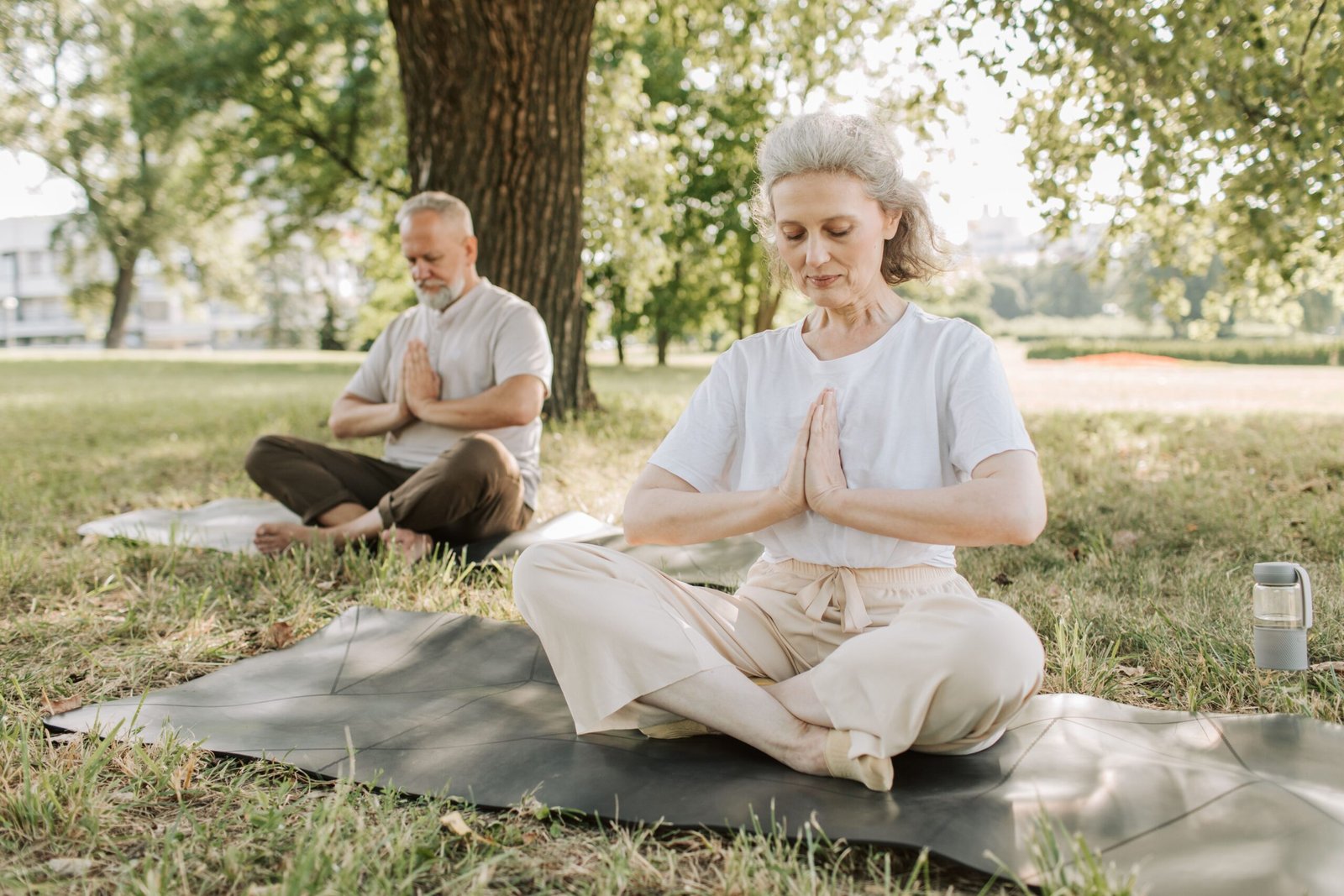
In a world filled with busy schedules, constant notifications, and everyday responsibilities, it can be difficult to slow down and appreciate the present moment. Many people spend their time worrying about the future or thinking about past experiences instead of noticing what is happening around them. Mindfulness offers a practical way to become more aware of the present, understand emotions, and respond to everyday challenges with greater clarity.
But what is mindfulness, and how can it improve daily life? Mindfulness is the practice of paying attention to your thoughts, feelings, bodily sensations, and surroundings without immediately judging or reacting to them. It can be developed through meditation, breathing exercises, mindful walking, and ordinary activities such as eating or listening to someone speak.
In this comprehensive guide, we explain the meaning of mindfulness, its potential benefits, simple techniques for beginners, and practical ways to make mindfulness part of your routine in 2026.
What Is Mindfulness? Definition and Meaning
Mindfulness is the ability to remain aware of what is happening in the present moment without becoming overwhelmed by thoughts, emotions, or external distractions. It encourages us to observe our experiences with curiosity and acceptance instead of automatically labeling them as good or bad.
For example, imagine drinking a cup of tea while checking your phone, thinking about work, and planning tomorrow’s schedule. You may finish the drink without noticing its taste. Practising mindfulness means paying attention to the warmth of the cup, the aroma of the tea, and the experience of taking each sip.
Mindfulness also involves recognizing internal experiences. You might notice that your shoulders are tense, your breathing is shallow, or you feel frustrated about a conversation. Rather than ignoring these sensations or reacting immediately, you acknowledge them and decide how to respond.
Mindfulness does not mean emptying your mind, eliminating every negative thought, or feeling calm all the time. Thoughts and emotions will continue to arise. The purpose is to notice them without allowing them to control every action.
Although mindfulness has roots in Buddhist contemplative traditions, modern mindfulness practices are also used in secular settings, including mental wellbeing programs and some psychological therapies. People do not need to follow a particular religion or spiritual belief to practise mindfulness.
What Are the Benefits of Mindfulness?
Regular mindfulness practice may support emotional awareness, attention, and everyday wellbeing. However, its effects vary between individuals, and mindfulness is not a guaranteed solution for every mental health concern.
Some potential benefits include:
Stress management: Mindfulness may help people recognize stressful thoughts and respond more thoughtfully to challenging situations.
Greater emotional awareness: Observing emotions can help you identify frustration, worry, or sadness before reacting automatically.
Improved focus: Returning attention to a chosen activity may help you become more aware of distractions and redirect your concentration.
Self-compassion: Mindfulness encourages a less judgmental attitude toward personal mistakes and limitations.
Better coping skills: Some people find it easier to approach difficult experiences when they can observe thoughts without treating every thought as a fact.
Improved general wellbeing: Paying attention to everyday experiences may help people appreciate ordinary activities and feel more connected to their surroundings.
Research reviewed by the American Psychological Association suggests that mindfulness meditation can be helpful for stress and some psychological symptoms. Nevertheless, outcomes depend on the person, the method, and the circumstances.
It is important to understand that mindfulness is not a replacement for appropriate medical care or psychological treatment. It can be a useful part of a broader wellbeing routine, but it does not work equally well for everyone.
How to Practise Mindfulness for Beginners
You do not need special equipment, expensive classes, or hours of free time to begin practising mindfulness. Starting with a few minutes each day can help you become familiar with the process.
Here is a simple five-minute mindfulness exercise:
Find a comfortable position. Sit on a chair or cushion, allowing your body to relax without forcing a particular posture.
Notice your breathing. Pay attention to the air moving in and out of your body. You do not need to change your natural breathing rhythm.
Observe your thoughts. If your mind moves to work, family, or future plans, simply notice that it has wandered.
Return your attention gently. Bring your focus back to your breathing without criticizing yourself for becoming distracted.
Notice your surroundings. Before finishing, pay attention to sounds, physical sensations, and the space around you.
The mind will naturally wander, and this is a normal part of the exercise. The practice is not about maintaining perfect concentration; it is about noticing distraction and returning to the present.
You can gradually increase the length of your sessions if they feel comfortable. Consistency matters more than attempting a long session and feeling discouraged. Guided mindfulness exercises may also help beginners learn the basics.
Different Types of Mindfulness Practices
Mindfulness can be practised in several ways, allowing you to choose a method that suits your preferences and lifestyle.
Mindfulness Meditation
Mindfulness meditation involves sitting quietly and observing your breathing, thoughts, feelings, or bodily sensations. When your attention wanders, you gently bring it back to your chosen focus.
Mindful Breathing
Mindful breathing focuses attention on the natural rhythm of inhaling and exhaling. It can be practised during a short break, before a challenging conversation, or whenever you want to pause and notice your current state.
Body Scan Meditation
A body scan involves paying attention to different parts of the body, such as the feet, legs, shoulders, and face. The aim is to notice sensations like warmth, tension, or relaxation without forcing them to change.
Mindful Walking
During mindful walking, notice the movement of your feet, the sensation of the ground, and the sounds around you. Walking slowly is optional; the main goal is to pay attention to the experience rather than walking automatically.
Mindful Eating
Mindful eating means paying attention to the appearance, smell, texture, and taste of food. Eating without screens or other distractions can help you notice the meal more fully.
These techniques offer different ways to develop present-moment awareness. You can experiment with them and choose the practices that feel most comfortable.
How to Incorporate Mindfulness Into Everyday Life
Mindfulness does not have to be limited to formal meditation sessions. You can practise it while completing familiar activities throughout the day.
Try these practical habits:
Start the morning mindfully: Before checking your phone, take a moment to notice your breathing and how your body feels.
Focus on one task at a time: When possible, reduce distractions while reading, working, or completing household responsibilities.
Listen attentively: During conversations, notice when your mind begins preparing a response instead of listening to the other person.
Take mindful breaks: Pause briefly between activities and notice your posture, breathing, and surroundings.
Spend time outdoors: Observe the sounds, colors, textures, and sensations around you during a walk.
Respond instead of reacting: When an uncomfortable emotion appears, pause and identify what you are feeling before deciding what to do.
A helpful approach is to combine curiosity, compassion, and calm awareness. Curiosity helps you examine experiences without jumping to conclusions. Compassion encourages kindness toward yourself and others. Calm awareness gives you an opportunity to consider your response instead of acting impulsively.
You will not remain mindful throughout the entire day, and that is completely normal. Whenever you notice that your attention has drifted, you can begin again.
Common Mindfulness Mistakes and How to Avoid Them
Although mindfulness is simple to describe, beginners sometimes misunderstand what the practice requires.
Mistake 1: Trying to stop every thought. Mindfulness does not require a completely empty mind. Instead, observe thoughts as they arise and gently return your attention to the present.
Mistake 2: Expecting instant results. Some people notice benefits quickly, while others need time to discover whether mindfulness suits them. Avoid judging progress based on a single session.
Mistake 3: Believing you must feel relaxed. Mindfulness involves noticing your actual experience, which may include restlessness, sadness, or frustration. Feeling uncomfortable does not automatically mean you are doing it incorrectly.
Mistake 4: Criticizing yourself for distraction. Concentration naturally changes. Treat each return to your chosen focus as another opportunity to practise awareness.
Mistake 5: Treating mindfulness as a substitute for professional help. Mindfulness may complement mental health care, but it cannot guarantee recovery or replace treatments that you need.
Mindfulness is not helpful for everyone in every situation. Some people find that focusing inward intensifies distress or uncomfortable memories. If a practice makes you feel significantly worse, stop or adapt it and consider speaking with a qualified healthcare professional.
Frequently Asked Questions About Mindfulness
What is the main purpose of mindfulness?
The main purpose is to develop awareness of the present moment, including thoughts, feelings, bodily sensations, and surroundings. This awareness may help you respond more thoughtfully to everyday experiences.
How long should I practise mindfulness each day?
Beginners can start with three to five minutes a day and increase the duration if comfortable. There is no single session length that works for everyone.
Is mindfulness the same as meditation?
No. Mindfulness is a quality of awareness, while meditation is one way to practise and develop it. Mindfulness can also be incorporated into everyday activities without a formal meditation session.
Can mindfulness help with anxiety and stress?
Some people find mindfulness useful for managing stress and certain anxiety symptoms. However, results vary, and professional support may be appropriate when symptoms interfere with daily life.
Can anyone practise mindfulness?
Many people can explore mindfulness, but it may not suit everyone. Start gently, choose a comfortable technique, and seek guidance if focusing on thoughts or bodily sensations feels distressing.
Conclusion: Why Mindfulness Matters in 2026
Understanding what mindfulness is can help you take a more intentional approach to daily life. By paying attention to the present moment without immediately judging every thought or emotion, you can develop greater self-awareness and explore healthier ways of responding to everyday challenges.
From mindful breathing and meditation to walking, eating, and listening carefully, mindfulness can fit into even a busy schedule. You do not need to practise perfectly or eliminate every distraction. The important step is to notice when your attention wanders and gently return to what is happening now.
In 2026, mindfulness remains a practical option for people interested in improving their awareness and supporting their wellbeing. Start with a few minutes, choose a technique that feels comfortable, and give yourself time to discover what works best. Mindfulness is not about controlling every moment of life; it is about learning to experience each moment with greater awareness, patience, and compassion.
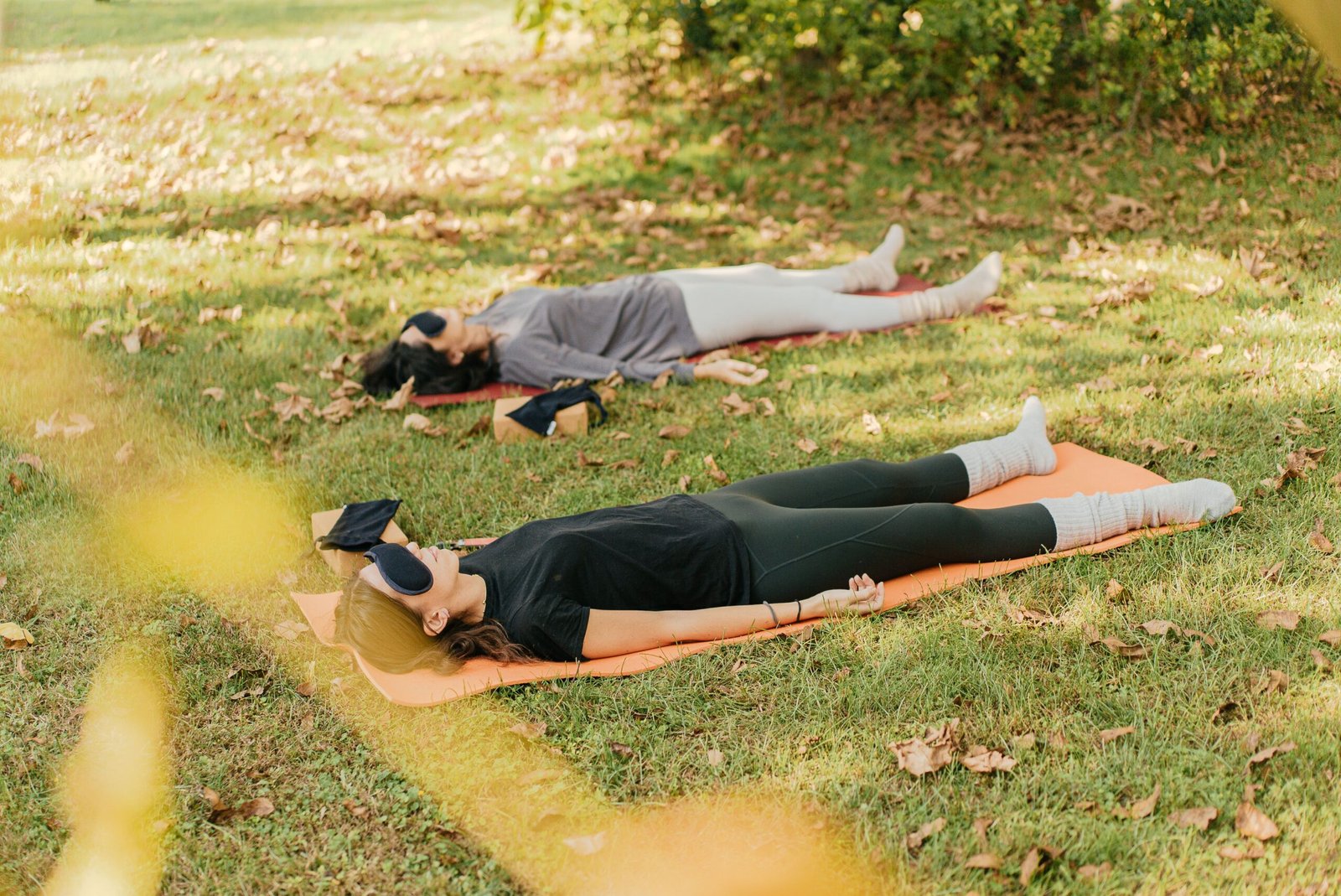
Que faire pour relaxer is a French phrase that means “what to do to relax.” It is a common question for people who feel stressed, tired, anxious, or overwhelmed by everyday responsibilities. Whether you have had a busy day at work, are dealing with personal problems, or simply need a break, learning how to relax can help you feel calmer and more balanced.
In 2026, relaxation is an important part of maintaining a healthy lifestyle. You do not need expensive equipment, a luxury vacation, or hours of free time to unwind. Simple habits such as deep breathing, listening to music, walking outdoors, and getting enough sleep can help you manage everyday stress.
This guide explores practical answers to “Que faire pour relaxer?” and explains how to create a relaxing routine that fits your daily life.
What Does “Que Faire Pour Relaxer” Mean?
The phrase “que faire pour relaxer” translates into English as “what can I do to relax?” It may refer to physical relaxation, mental calmness, emotional well-being, or finding enjoyable activities after a stressful day.
Relaxation means giving your body and mind an opportunity to recover from pressure. When you experience stress, you might notice tense muscles, racing thoughts, irritability, headaches, or difficulty sleeping. Taking regular breaks and practicing healthy coping techniques can help you respond to these feelings more effectively.
Relaxation looks different for everyone. One person may feel peaceful while reading a book, while another may prefer exercising, cooking, meditating, or spending time with friends.
The goal is not to eliminate every stressful situation. Instead, it is to discover healthy ways to manage stress, restore your energy, and make time for activities that bring you comfort.
10 Simple Things to Do to Relax
If you are searching for what to do to relax at home, start with activities that are easy, affordable, and enjoyable. You do not need to try every technique at once. Choose one or two options and notice how you feel afterward.
1. Listen to calming music. Music can create a peaceful atmosphere and provide a pleasant distraction from stressful thoughts. Try instrumental music, soft jazz, nature sounds, or your favorite relaxing playlist.
2. Take a warm shower or bath. A warm shower can help you slow down after a demanding day. Combine it with comfortable clothing, dim lighting, and a few quiet minutes away from your phone.
3. Read a book. Reading fiction, poetry, or an interesting magazine gives your attention a break from everyday concerns. Choose something enjoyable rather than material that makes you feel pressured.
4. Spend time outdoors. Sit in a garden, visit a park, or take a gentle walk. Fresh air and a change of surroundings can make it easier to step away from repetitive thoughts.
5. Practice a favorite hobby. Drawing, gardening, knitting, cooking, photography, or playing an instrument can provide a rewarding way to spend your free time.
6. Connect with someone you trust. A friendly conversation with a family member or friend can help you feel supported. You do not always need advice; sometimes, being heard is enough.
7. Reduce screen time. Constant notifications, news updates, and social media can make it difficult to switch off. Put your phone away for 15 to 30 minutes and focus on a calming activity.
8. Stretch gently. Slow shoulder rolls, comfortable neck movements, and gentle stretching can help release everyday muscle tension. Avoid movements that cause pain.
9. Write in a journal. Put your worries, plans, or feelings on paper. Writing may help you organize your thoughts and identify the problems you can address.
10. Give yourself permission to rest. You do not need to be productive every minute. Sitting quietly, closing your eyes, or enjoying a cup of tea can be a useful pause in your day.
How to Relax Your Mind Through Breathing and Meditation
When your mind feels busy, deep breathing and mindfulness are practical ways to begin relaxing. They require little preparation and can be practiced at home, at work, or in another comfortable setting.
Try this simple breathing exercise:
- Sit comfortably with your feet resting on the floor, or lie down if that feels better.
- Relax your shoulders and loosen any clothing that restricts your breathing.
- Breathe gently through your nose if comfortable.
- Breathe out slowly through your mouth.
- If it helps, count slowly from one to five as you breathe in and again as you breathe out.
- Continue for around five minutes without forcing your breath.
If your mind wanders, gently return your attention to your breathing. You do not need to make your mind completely empty.
Mindfulness meditation is another option. It involves noticing your thoughts, feelings, and surroundings without immediately judging them. You can start with just a few minutes each day and gradually increase the time if you find it helpful.
Progressive muscle relaxation is also worth trying. This technique involves gently tensing and then releasing different muscle groups, helping you become more aware of physical tension. Stop any exercise that causes discomfort, and seek medical advice if breathing exercises are unsuitable for your health needs.
Regular practice may help you manage stress more effectively over time. For additional guidance, see the NHS guide to breathing exercises for stress.
How to Relax After Work or a Stressful Day
After a long workday, your body may be tired while your mind continues thinking about unfinished tasks. Creating a clear transition between work and personal time can help you unwind.
Start by putting away work materials and silencing nonessential notifications. Change into comfortable clothes, drink some water, and give yourself a few minutes without demands or distractions.
Next, choose an activity based on what you need most. If you feel physically restless, take a walk or stretch gently. If you feel mentally exhausted, try reading, listening to music, or sitting somewhere quiet. If you feel lonely, call a friend or spend time with family.
You can also create a short after-work relaxation routine:
- First five minutes: Put away work items and breathe slowly.
- Next 10 minutes: Take a walk, stretch, or enjoy a quiet activity.
- Next 15 minutes: Prepare a simple meal, read, or listen to music.
- Before bed: Reduce screen time and begin winding down.
This routine is only an example. Adjust it to suit your schedule, energy level, and responsibilities.
Avoid turning relaxation into another task you must complete perfectly. If you only have five minutes, use those five minutes. Small, consistent breaks can be more realistic than waiting for an entire free evening.
Daily Habits That Help You Feel More Relaxed
Relaxation is not only about what you do when you feel stressed. Your everyday habits can also influence your energy, mood, and ability to cope with challenges.
Get enough sleep. Most adults need at least seven hours of sleep each night. Try to maintain a reasonably consistent bedtime and wake-up time, and keep your bedroom comfortable, dark, and quiet.
Stay physically active. Walking, cycling, dancing, swimming, or another activity you enjoy can support physical and emotional well-being. You do not need an intense workout; begin at a level appropriate for your fitness and health.
Eat regular, balanced meals. Going for long periods without eating may leave you feeling tired or irritable. Choose meals that provide a variety of nutrients and drink enough water throughout the day.
Take breaks from digital distractions. Set boundaries around work messages, social media, and news consumption, especially when you are preparing for sleep.
Make time for enjoyable activities. Schedule hobbies and social connections as you would other important commitments. Relaxation should have a place in your routine rather than being something you only do when every other task is finished.
Practice gratitude. At the end of the day, write down two or three things you appreciated. They can be simple, such as a good meal, a kind conversation, or a pleasant walk.
According to the US Centers for Disease Control and Prevention, healthy ways to manage stress include physical activity, mindfulness, journaling, social connection, and sufficient sleep. You can read more in its guide to emotional well-being.
When Relaxation Techniques Are Not Enough
Occasional stress is a normal part of life, but persistent stress can affect your sleep, relationships, concentration, and everyday functioning.
If you regularly feel overwhelmed, anxious, exhausted, or unable to relax despite trying different techniques, consider talking with a qualified healthcare professional or mental health specialist. They can help you understand what may be contributing to your distress and discuss suitable support, including counseling or evidence-based psychological treatments.
Relaxation techniques are useful tools, but they are not a replacement for professional care when symptoms are severe or ongoing. If a particular technique makes you feel more uncomfortable, stop and try another approach.
You should also avoid relying on alcohol or non-prescribed substances as a way to unwind, because they can create additional health and sleep problems.
Remember that there is no single perfect answer to “que faire pour relaxer?” The best approach is one that is safe, realistic, enjoyable, and suitable for your needs.
Conclusion: Que Faire Pour Relaxer Every Day?
If you are wondering que faire pour relaxer, start with simple activities that help you slow down and reconnect with yourself. Listening to music, walking outdoors, taking a warm shower, practicing gentle breathing, reading, and spending time with people you trust are all practical options.
You can also support relaxation by improving your sleep routine, staying physically active, taking breaks from screens, and making room for hobbies.
You do not have to change your entire lifestyle overnight. Choose one small activity today and repeat it whenever it helps. Over time, building healthy relaxation habits can make it easier to manage everyday pressure and protect your overall well-being.
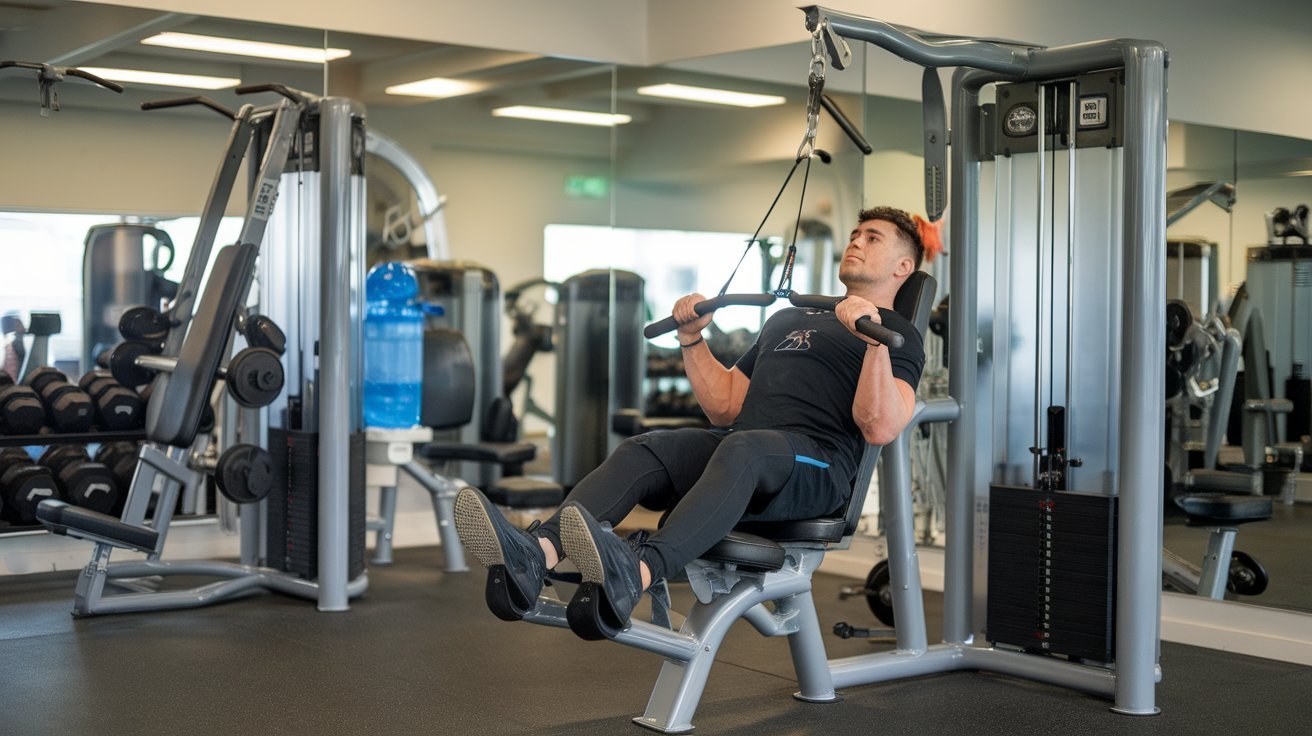
Total Gym workouts provide a versatile way to combine resistance training, bodyweight movements, mobility work, and cardiovascular exercise in one routine. The glideboard-based design allows exercises to be performed at different incline levels, making it possible to adjust difficulty without relying exclusively on traditional free weights.
In 2026, Total Gym continues to offer a broad collection of exercises and workout programs covering major muscle groups, body positions, strength training, Pilates-inspired movements, flexibility, and cardio. The company’s workout library includes exercises such as squats, rows, chest presses, pull-ups, biceps curls, planks, pikes, lunges, and core movements.
What Are Total Gym Workouts?
A Total Gym workout uses the machine’s glideboard, rails, cables, and bodyweight resistance to create controlled movements. The incline of the rails influences how challenging many exercises feel, allowing users to modify an exercise according to their current ability.
The official Total Gym starter program is structured as a circuit, combining several movements with limited rest. It includes exercises such as squats, single-leg squats, pull-ups, leg curls, cross-cable rows, biceps curls, and outer-hip movements. The program recommends beginning with 15 repetitions and adjusting the incline when an exercise is too easy or difficult.
This format makes the Total Gym suitable for different training goals. A workout can emphasize general strength, muscular endurance, mobility, core stability, or a mixture of these qualities.
Best Total Gym Exercises for a Full-Body Workout
A well-rounded routine can include movements that train the legs, chest, back, shoulders, arms, and core. The Total Gym exercise library includes a wide variety of options, allowing users to build routines around their preferred goals.
For the lower body, squats, single-leg squats, lunges, hamstring curls, and calf raises are useful choices. These movements can train several muscles involved in everyday activities such as walking, climbing stairs, and standing.
For the upper body, rows, chest presses, chest flies, pull-ups, shoulder presses, reverse flies, and biceps curls provide different movement patterns. The official exercise library lists numerous variations, including single-arm and incline versions.
Core training can include planks, pikes, scrunches, oblique movements, and rotational exercises. Choosing several different movement patterns can create a more balanced routine than repeatedly performing only one exercise.
Beginner Total Gym Workout Routine
For someone new to Total Gym training, simplicity is usually the best starting point. We can begin with a small selection of controlled movements and focus on learning the correct technique.
A beginner-friendly session might include:
- Squats
- Chest press
- Seated or lying leg curls
- Cross-cable rows
- Biceps curls
- Basic plank
- Gentle mobility work
Rather than trying to make every exercise extremely difficult, the priority should be smooth, controlled movement. The Total Gym starter material recommends adjusting the incline according to ability: if 15 repetitions are too easy, the incline can be increased, while a level that makes 10–12 repetitions difficult can be lowered.
We should also allow adequate recovery between sessions. Consistency and good technique are more useful than attempting to progress too quickly.
Total Gym Workouts for Strength and Muscle Development
Total Gym equipment can be used for progressive resistance training by changing the incline and selecting more demanding exercise variations. The company’s current equipment information describes its glideboard systems as providing incline bodyweight resistance training and allowing users to work multiple muscles simultaneously or target particular muscle groups.
A strength-focused session might combine a lower-body movement, pushing exercise, pulling exercise, and core exercise. For example, squats, chest presses, rows, hamstring curls, and planks can form the foundation of a balanced session.
Progression does not necessarily mean performing an extreme number of repetitions. We can instead focus on improving technique, gradually increasing resistance or incline when appropriate, and maintaining consistent training.
Total Gym’s workout library also contains advanced movements such as dynamic rows, single-leg squats, pikes, pullover crunches, and other progressions.
Total Gym Cardio and Circuit Workouts
Total Gym training does not have to consist entirely of slow strength exercises. Circuit-style sessions can combine resistance movements with faster-paced activities to create a more dynamic workout.
The official Total Gym training library includes dedicated cardio workouts and circuits, while its published programs include combinations involving squats, jumps, lunges, skaters, and other movements.
For younger or beginner exercisers, however, higher-impact movements should be approached carefully and performed only when they can be done safely and with appropriate supervision. There is no need to use advanced jumping or high-intensity exercises to make a workout worthwhile.
A simple circuit can instead alternate between upper-body, lower-body, and core movements, allowing one area to recover while another works.
Total Gym Core and Flexibility Training
Core training is another important part of a complete Total Gym routine. The official exercise library includes planks, pikes, scrunches, oblique movements, bridges, and rotational exercises at different levels.
The Total Gym ELEVATE Core ADJ, for example, is designed around adjustable incline resistance and movements including dynamic planks and scrunches. The manufacturer describes it as a tool for progressing or reducing exercise difficulty according to ability.
Flexibility and mobility work can also be incorporated around a workout. Gentle movements can help prepare the body for exercise and provide a gradual transition back to normal activity afterward.
For younger exercisers, the goal should be healthy movement, strength, coordination, and enjoyment, rather than changing body shape or pursuing unrealistic fitness standards.
How to Build a Total Gym Workout Schedule
A good workout schedule should match the person’s age, experience, goals, and recovery needs. We do not need to train every muscle every day. Rest and normal daily activity are important parts of a healthy routine.
A simple weekly structure might alternate full-body training and recovery or recreational activity. For example, a person could perform a manageable full-body session, take a recovery day, and then return to another session using different movements.
The exact number of sets and repetitions should depend on ability and the instructions for the particular Total Gym model. Beginners should start conservatively and learn each movement before increasing difficulty.
We should also inspect the equipment before exercising. Total Gym documentation advises users to follow safety instructions, check equipment condition, select an appropriate incline or resistance level, and maintain control of the glideboard when mounting and dismounting.
Total Gym Workouts in 2026: Final Takeaway
Total Gym workouts offer a flexible approach to resistance and full-body exercise. The combination of glideboard movement, adjustable incline, cables, and bodyweight resistance allows users to perform exercises for the legs, chest, back, shoulders, arms, and core.
The official Total Gym library demonstrates how broad the system can be, with dedicated exercise collections organized by workout type, body position, and muscle group.
For 2026, the most useful approach is to keep workouts balanced, age-appropriate, controlled, and consistent. Beginners can start with basic movements such as squats, rows, presses, curls, leg exercises, and simple core work before progressing to more challenging variations.
The best Total Gym routine is not necessarily the hardest one. It is the routine that can be performed safely, regularly, and with good technique while supporting overall health, strength, movement quality, and enjoyment of exercise.



 Celebrity4 months ago
Oona Gray Seppala: Everything You Need to Know About Sarah Rafferty’s Daughter
- Blog3 months ago
0844 879 1719: Who Called Me and Is This Number a Scam in 2026?
- Celebrity4 months ago
Judy Helkenberg: Biography, Early Life, Career, Personal Journey, and Legacy
- News4 months ago
Carl Ellan Kelley: The Untold Story, Biography, Family, and Legacy
- Tech2 months ago
Get in Touch on TurboGeek.org: Complete Contact and Support Guide for 2026
- Social Media3 months ago
TikTok Coins: The Complete 2026 Guide to Buying, Using, Prices, Gifts, and Safety
- Entertainment3 months ago
Lush Life Dance: The Complete 2026 Guide to the Viral Dance Trend, Choreography, and Social Media Popularity
- Business3 months ago
Business Ftasiastock: The Complete 2026 Guide to Market Intelligence, Business Trends, and Financial Insights