Health
Squat Press: Benefits, Muscles Worked, Technique, and Workout Guide 2026

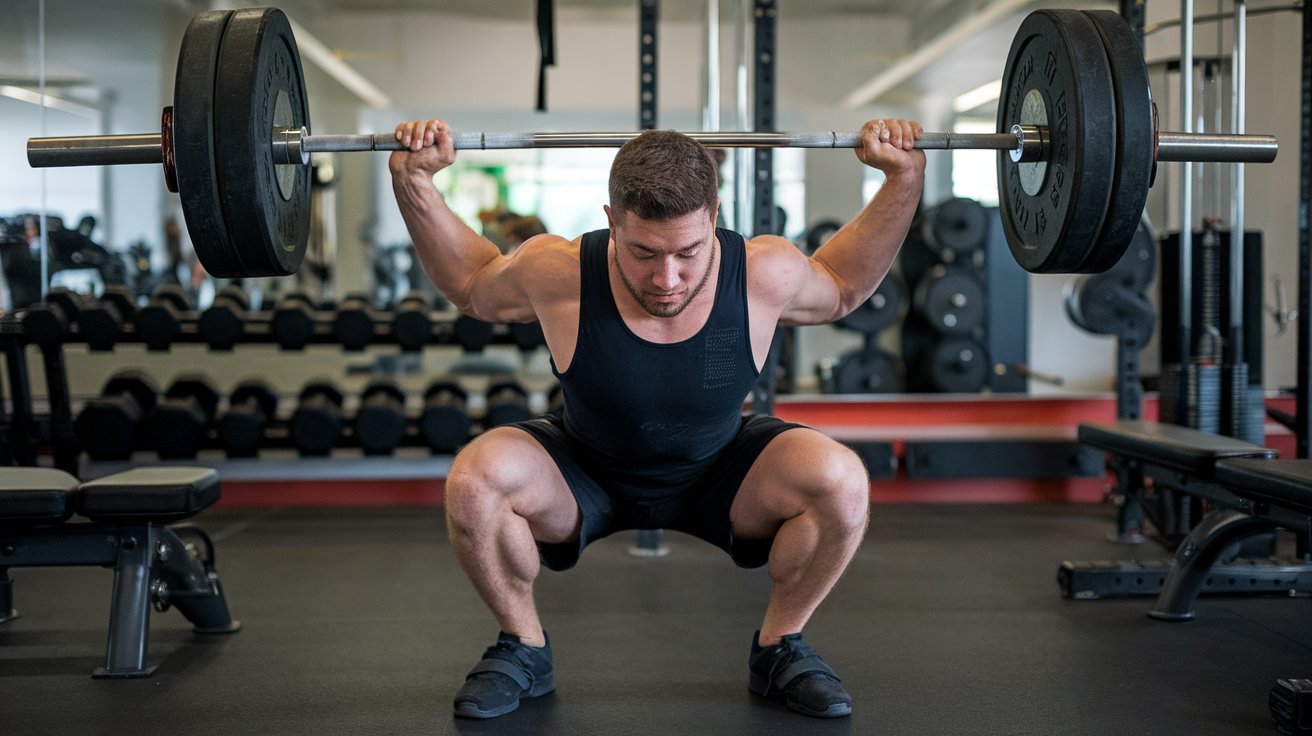
The squat press is a dynamic full-body exercise that combines the lower-body movement of a squat with an upper-body pressing action. Depending on the equipment and training style, the exercise may be performed with dumbbells, kettlebells, a barbell, resistance equipment, or a machine. Because it combines multiple movements into one exercise, the squat press can be an efficient addition to strength, conditioning, and general fitness routines.
Unlike a traditional squat, which primarily emphasizes the lower body, a squat press requires the lifter to coordinate the legs, hips, core, shoulders, and arms. This combination makes it useful for people who want to train several major muscle groups in a relatively short period. It can also raise the heart rate more than isolated strength exercises, particularly when performed continuously with moderate resistance.
However, technique matters. The squat press involves two major movement patterns, so rushing through repetitions or selecting excessive weight can reduce control and increase unnecessary stress on the joints. Learning the correct movement, choosing an appropriate resistance level, and progressing gradually are essential for getting the most from this exercise in 2026.
What Is a Squat Press?
A squat press generally combines a squat with an overhead press. A common dumbbell version begins with the weights held around shoulder height. The exerciser lowers into a controlled squat and then drives upward through the feet. As the body rises, the weights are pressed overhead, creating one continuous movement.
The exercise is sometimes called a squat to overhead press, and variations may have different names depending on the equipment or training program. A closely related movement is the thruster, which commonly combines a front-loaded squat with an overhead press.
The basic idea remains the same: lower the body into a squat, drive upward using the legs and hips, and use that momentum and strength to press the resistance overhead.
Because the movement involves several joints, it is considered a compound exercise. Compound movements can be useful when training time is limited because one exercise can challenge multiple muscle groups simultaneously.
How to Perform the Squat Press Correctly
Begin by standing with your feet approximately shoulder-width apart or in a stance that allows you to squat comfortably. Hold a dumbbell in each hand at shoulder level, with your elbows positioned naturally rather than being forced into an uncomfortable position. Keep your chest controlled, spine neutral, and abdominal muscles engaged.
From this starting position, bend your knees and push your hips backward to descend into a controlled squat. Keep your feet firmly connected to the floor and allow your knees to track in the same general direction as your toes. Descend only as far as you can maintain good posture and control.
Once you reach your comfortable squat depth, drive upward by pushing through the floor. As your hips and knees extend, press the dumbbells overhead until your arms are extended without aggressively locking or shrugging the shoulders.
Then lower the weights back toward your shoulders under control and prepare for the next repetition.
The movement should feel like one coordinated sequence rather than two completely separate exercises. Avoid using excessive momentum from the upper body. The legs and hips should initiate the upward drive, while the shoulders and arms complete the pressing movement.
Muscles Worked by the Squat Press
One of the biggest advantages of the squat press is its ability to involve multiple major muscle groups.
The quadriceps work strongly as you bend and extend the knees during the squat. The glutes and hamstrings contribute to hip extension and help generate force as you stand. Depending on your stance and squat depth, these muscles can experience a substantial training stimulus.
The shoulders, particularly the deltoids, become heavily involved during the overhead pressing portion. The triceps assist in extending the elbows and completing the press.
Your core muscles also play an important role. They help stabilize the torso while the lower and upper body move together. The abdominal muscles, obliques, and deeper stabilizing muscles can all contribute to maintaining control.
Additional muscles throughout the upper back and lower body may contribute to stabilization. This makes the squat press a useful example of how a compound movement can train strength, coordination, stability, and muscular endurance at the same time.
Benefits of Adding Squat Presses to Your Workout
A properly performed squat press can offer several training benefits. First, it is time-efficient. Instead of performing separate sets of squats and overhead presses, you can combine both patterns into one movement.
The exercise can also improve full-body coordination. Your legs must generate force while your upper body performs a pressing action, requiring different muscle groups to work together.
When performed with an appropriate resistance and repetition range, squat presses can contribute to muscular strength and endurance. Higher-repetition sets with moderate resistance can also create a significant cardiovascular and conditioning challenge.
Another advantage is its potential usefulness in metabolic or circuit-style workouts. Because large muscle groups are involved simultaneously, continuous repetitions can elevate the heart rate. This does not make the exercise a substitute for dedicated cardiovascular training, but it can add a conditioning component to a strength session.
Squat presses can also be adapted for different fitness levels. Beginners can start with light dumbbells or even bodyweight practice, while experienced athletes can progressively increase resistance when their technique is reliable.
Common Squat Press Mistakes to Avoid
One common mistake is selecting too much weight. The overhead press can make a relatively light squat feel significantly more demanding. Excessive resistance may cause the exerciser to compensate by leaning backward, losing squat control, or using poor shoulder mechanics.
Another mistake is allowing the knees to collapse inward during the squat. Focus on maintaining stable foot pressure and allowing the knees to track appropriately throughout the movement.
Avoid turning the exercise into a rushed sequence. Speed should not replace control. A controlled descent and powerful but coordinated upward movement are generally preferable to bouncing out of the bottom of the squat.
It is also important not to overextend the lower back during the overhead press. Keep your ribs and pelvis controlled rather than leaning dramatically backward to push the weights overhead.
Finally, avoid treating every repetition as an all-out effort. Good technique should remain consistent from the first repetition to the last.
How to Add Squat Presses to a Workout
The appropriate programming depends on your fitness level, goals, equipment, and overall training plan. Beginners can start with relatively light resistance and a small number of controlled repetitions while learning the movement.
For general fitness, squat presses can be included in a full-body routine alongside movements such as rows, lunges, push-ups, deadlift variations, and core exercises. They can also be incorporated into a circuit with appropriate rest periods.
For strength-focused training, heavier resistance and lower repetitions may be appropriate for experienced exercisers, but technique should remain the priority. For conditioning, lighter resistance and moderate-to-higher repetitions can create a more sustained workload.
Always allow sufficient recovery between challenging training sessions. Progress can come from gradually increasing resistance, repetitions, sets, or movement quality, rather than attempting to increase everything at once.
Safety Tips for Squat Press Training
Before performing squat presses, spend a few minutes preparing the body with general warm-up activity and movement-specific practice. Start with little or no resistance until the squat and pressing patterns feel coordinated.
Use equipment that you can control throughout the entire range of motion. If you have difficulty maintaining balance, posture, or shoulder position, reduce the weight or choose a simpler exercise until your movement improves.
People with existing injuries, persistent pain, or specific physical limitations should seek appropriate professional guidance before introducing demanding compound exercises. Exercise should not cause sharp or unusual pain.
If you train in a gym, make sure there is enough space around you and that the weights are secure. With overhead movements, awareness of your surroundings is particularly important.
Frequently Asked Questions About Squat Press
What is a squat press?
A squat press combines a squat with an overhead pressing movement. It can be performed using dumbbells, kettlebells, barbells, or other suitable resistance equipment.
Is squat press a full-body exercise?
Yes. It can train the legs, glutes, shoulders, triceps, and core, making it a practical compound exercise.
Is squat press good for beginners?
Beginners can learn the movement, but they should begin with light resistance and controlled repetitions. Practicing the squat and overhead press separately first can make the combined movement easier to understand.
What is the difference between a squat press and a thruster?
The terms are sometimes used similarly, although programming and equipment can differ. A thruster commonly refers to a front-loaded squat immediately followed by an overhead press.
Can squat presses help with weight loss?
Squat presses can contribute to a workout that burns energy and increases exercise intensity, but body-weight changes depend on overall activity, nutrition, recovery, and other factors.
How many squat presses should I do?
There is no universal number. Choose a repetition range appropriate to your goal and fitness level, and prioritize safe, technically consistent repetitions over simply completing a high number.
Conclusion
The squat press is a versatile compound exercise that combines lower-body strength with an overhead pressing movement. By bringing the squat and press together, it challenges the quadriceps, glutes, shoulders, triceps, and core while also demanding coordination and stability.
Its effectiveness depends heavily on proper technique. Maintain a controlled squat, drive upward through the legs and hips, press the resistance overhead with control, and select a weight that allows you to maintain good form. As your skills improve, you can gradually increase the training challenge.
Whether your goal is strength, muscular endurance, conditioning, or efficient full-body training, the squat press can be a valuable exercise in a balanced 2026 fitness program. Start appropriately, progress gradually, and make movement quality the foundation of every repetition.

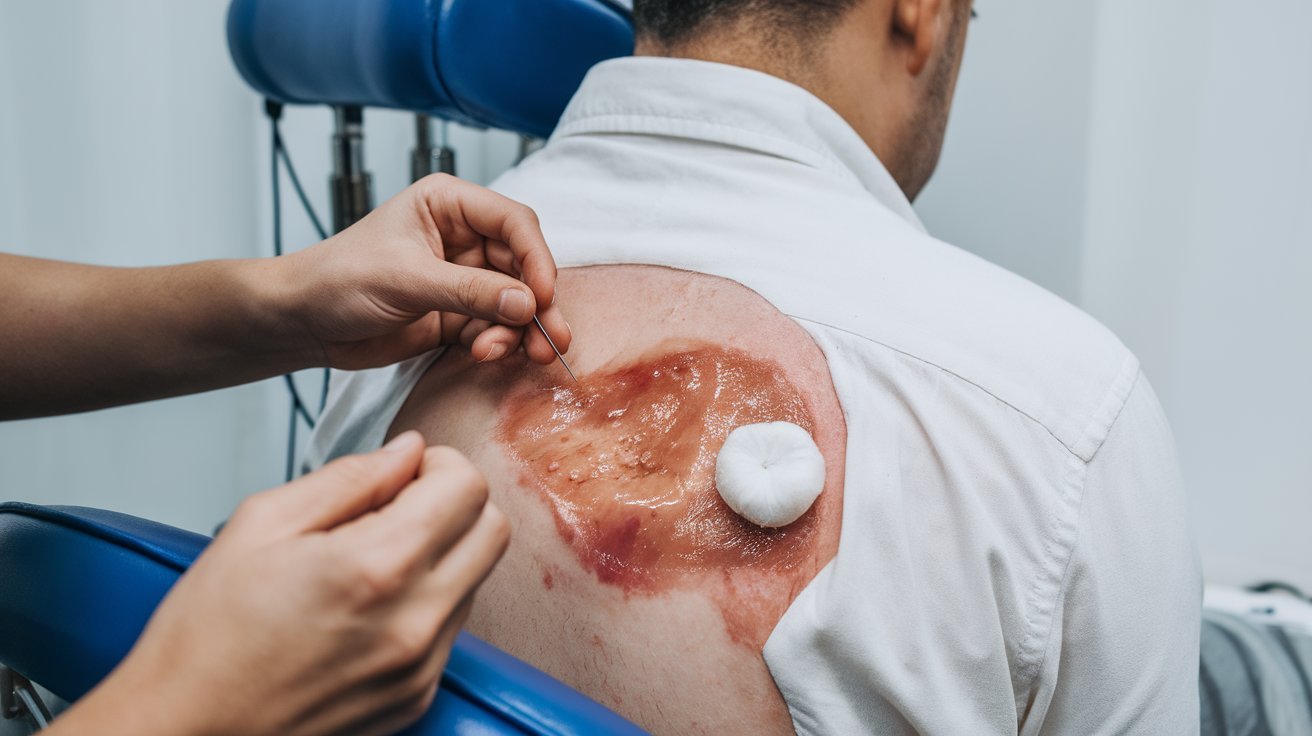
Pop that cyst videos have become a recognizable category of online medical and dermatology content. These videos typically show a dermatologist or other medical professional treating a cyst, acne nodule, boil, or similar skin lesion, often documenting the procedure from preparation through drainage and wound care. Their popularity comes partly from curiosity: viewers want to understand what is beneath a skin lump, how dermatologists treat it, and what happens after a lesion is opened.
However, an important distinction is needed between watching a professionally performed procedure and attempting to reproduce it at home. The American Academy of Dermatology (AAD) advises against trying to drain a deep acne cyst or nodule yourself because squeezing or puncturing these lesions can increase the risk of infection, inflammation, discoloration, and scarring.
What Are Pop That Cyst Videos?
The phrase “pop that cyst videos” generally refers to online videos showing the treatment or drainage of a skin cyst or another fluid- or pus-filled lesion. Depending on the video, the condition may actually be an epidermoid cyst, acne cyst, boil, abscess, or another type of skin lump, so not every video described as cyst popping is medically the same procedure.
A cyst can develop when material becomes trapped beneath the skin. Some cysts remain relatively small and painless, while others become swollen, inflamed, or uncomfortable. A deep acne cyst is different from a superficial whitehead because it develops deeper in the skin and may not have an obvious opening at the surface. The AAD explains that nodules and cysts associated with acne can be felt beneath the skin and may be particularly painful.
Professional videos can therefore be educational when they demonstrate how a dermatologist identifies a lesion, prepares the area, uses appropriate sterile equipment, and manages the wound afterward.
Why Are Cyst Popping Videos So Popular?
There are several reasons cyst treatment videos attract large audiences. First, they satisfy curiosity about something that people normally cannot see. A skin lump may appear simple from the outside, while the actual contents and structure underneath are invisible.
Second, these videos often show a complete transformation from a swollen lesion to a treated area. Viewers may be interested in the medical process, the tools used by dermatologists, or the expected healing process.
Another reason is educational value. A professionally produced video can help viewers understand that different skin conditions require different treatments. What looks like a “cyst” in an online thumbnail may actually be another condition requiring a completely different approach.
The popularity of this content should not, however, be interpreted as evidence that DIY cyst popping is safe. The AAD specifically warns that squeezing and popping acne blemishes can increase inflammation and contribute to infection, pain, and permanent scarring.
Cyst Popping vs. Professional Dermatology Treatment
A major difference between an online pop that cyst video and attempting the same thing at home is the clinical environment. Dermatologists can examine the lesion first, determine what they are treating, and select an appropriate procedure.
For a large or painful acne cyst or nodule, the AAD notes that dermatologists may use a corticosteroid injection to reduce its size and pain. Another procedure, incision and drainage, can be used for some large, painful lesions when appropriate. The Academy emphasizes that patients should not attempt to drain a cyst or nodule themselves because of the infection risk.
Professional acne extraction is also different from squeezing a lesion with fingers. Dermatologists use sterile instruments for appropriate lesions, particularly blackheads and whiteheads that have not responded to other treatment.
This distinction is important when watching online content. A medical procedure may appear straightforward because the video is edited and the clinician has already made the necessary diagnostic and preparation decisions.
Why You Should Not Try to Recreate a Cyst-Popping Video at Home
Trying to imitate a cyst popping video can create several problems. Squeezing a deep lesion can push inflammatory material farther into surrounding tissue rather than removing it. According to the AAD, this can make acne more noticeable and increase the risk of infection, discoloration, and scarring.
There is also a diagnostic problem. A lump that looks like an ordinary pimple may actually be a boil, inflamed cyst, or another skin condition. For example, the AAD describes boils as pus-filled skin infections that form around a hair follicle or oil gland and advises people not to squeeze or pierce them because doing so can spread infection.
Repeated lumps in areas such as the armpits, groin, buttocks, or under the breasts may also have another underlying cause, including hidradenitis suppurativa (HS). The AAD advises people with HS not to squeeze or pop nodules, cysts, or sores because irritation can worsen the condition.
Safer Ways to Deal With a Painful Skin Lump
When a lesion is a deep, painful acne pimple, the AAD recommends keeping hands away from it rather than attempting to pop it. A warm, damp washcloth can be applied for 10–15 minutes, three times daily, to help the lesion move closer to the skin surface while it heals.
For appropriate acne, over-the-counter treatments containing ingredients such as adapalene, azelaic acid, benzoyl peroxide, or salicylic acid may be useful. A hydrocolloid acne patch can also protect a surface lesion. The correct treatment depends on the type of blemish and the individual’s skin.
For a boil, dermatologists recommend warm compresses, keeping the area clean, avoiding squeezing or piercing it, and covering it if it opens. The AAD recommends medical evaluation when pain or swelling persists, a boil does not resolve, additional boils develop, or symptoms such as fever occur.
If a lump is large, increasingly painful, repeatedly returning, or difficult to identify, a board-certified dermatologist can determine what it is and whether a procedure or prescription treatment is appropriate.
What Happens After a Professional Cyst Procedure?
An important part of medical cyst-treatment videos is what happens after drainage or removal. Opening a lesion creates a wound, so appropriate wound care matters.
For minor skin wounds, the AAD recommends gentle cleaning and keeping the area appropriately moist and covered. For example, its wound-care guidance recommends gently washing with mild soap and water, applying plain petroleum jelly, and covering the wound with an appropriate bandage or sterile dressing.
People should also monitor the area for potential signs of infection. Increasing pain, swelling, warmth, pus or other drainage, red streaking, or fever can indicate a problem requiring medical attention.
It is also important not to assume that every inflamed cyst needs antibiotics. The AAD’s Choosing Wisely recommendations state that most red and swollen epidermal cysts are inflamed rather than infected, meaning antibiotics should not routinely be prescribed without evidence of infection.
How to Watch Pop That Cyst Videos Responsibly
For viewers interested in pop that cyst videos, the most useful approach is to treat them as educational or entertainment content rather than procedural instructions. Look for videos produced by qualified medical professionals, especially dermatologists, and pay attention to explanations of diagnosis, sterile technique, treatment selection, and aftercare.
It is also worth remembering that dramatic videos can give an incomplete impression of skin treatment. A successful procedure depends on identifying the lesion correctly and determining whether drainage, medication, observation, injection, extraction, or another treatment is appropriate.
People with their own cysts should avoid choosing a treatment simply because a similar-looking lesion was successfully treated in a video. Skin conditions can look alike while requiring different management, and deep or painful lesions can carry a greater risk of scarring and infection when manipulated incorrectly.
Frequently Asked Questions About Pop That Cyst Videos
Are pop that cyst videos real?
Some are recordings of genuine dermatological procedures, while others may be edited, mislabeled, or created primarily for entertainment. A video title alone does not establish what type of lesion is being treated.
Can I pop a cyst after watching a video?
Watching a professional procedure does not make DIY drainage safe. The AAD advises against draining acne cysts or nodules at home because of the risk of infection and scarring.
What should I do with a painful cyst?
Avoid squeezing it. Depending on what the lesion actually is, appropriate care can range from observation and warm compresses to professional treatment. A dermatologist can determine the correct approach.
Why do cyst popping videos show so much material coming out?
Different lesions contain different materials, including fluid, keratin-like material, blood, or pus. What appears in a video depends on the specific diagnosis and the condition of the lesion.
When should I see a dermatologist?
Seek professional evaluation for a large, painful, recurring, rapidly changing, or infected-looking lump, particularly if there is increasing swelling, warmth, drainage, severe pain, or fever.
Can cyst popping cause scars?
Yes. Manipulating deep acne lesions increases the risk of acne scarring, and the AAD specifically identifies squeezing, popping, and picking as behaviors that can increase scar risk.
Conclusion
Pop that cyst videos occupy an unusual space between medical education and internet entertainment. They can help viewers understand what professional dermatological procedures look like, but they should not be treated as instructions for performing drainage at home. Deep cysts, nodules, boils, and other skin lumps can require very different treatments, and squeezing or piercing them can increase the risk of infection, inflammation, discoloration, and scarring.
For anyone dealing with an actual painful or persistent skin lump, the safest approach is to identify the condition first and follow appropriate dermatological guidance rather than copying what appears in a video.
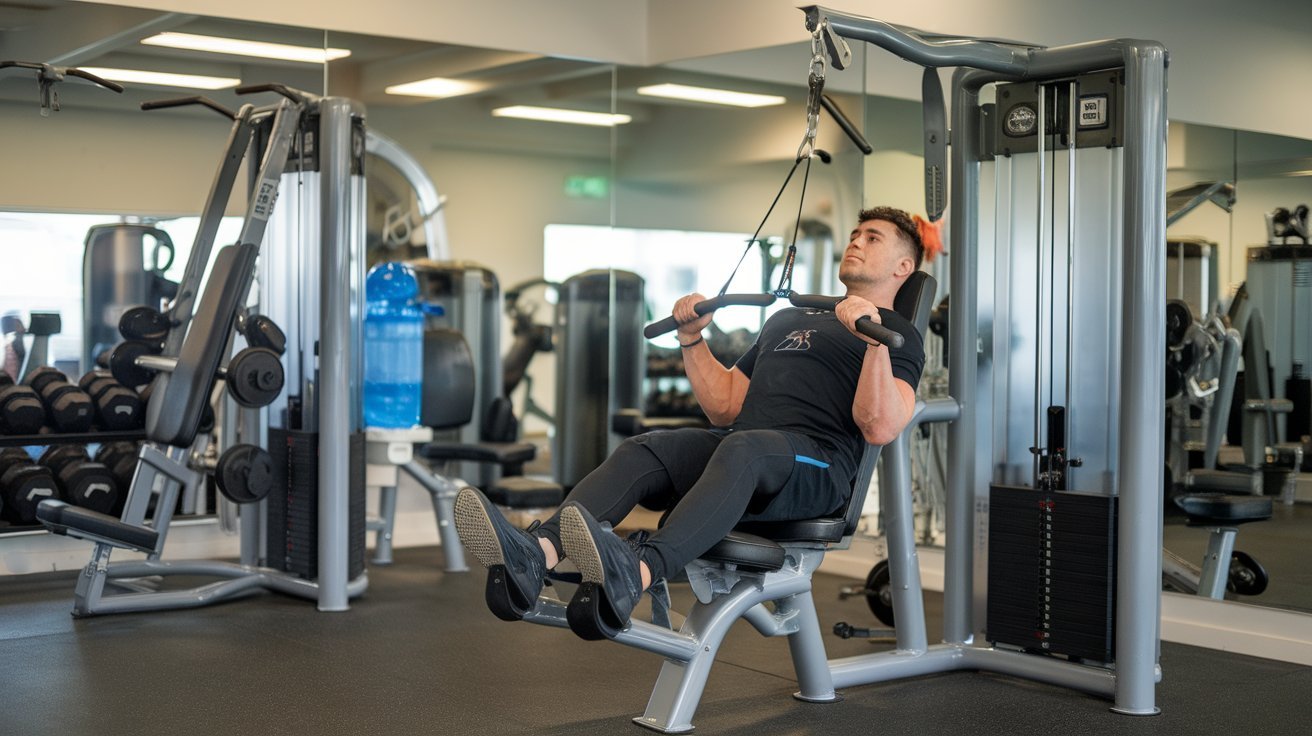
Total Gym workouts provide a versatile way to combine resistance training, bodyweight movements, mobility work, and cardiovascular exercise in one routine. The glideboard-based design allows exercises to be performed at different incline levels, making it possible to adjust difficulty without relying exclusively on traditional free weights.
In 2026, Total Gym continues to offer a broad collection of exercises and workout programs covering major muscle groups, body positions, strength training, Pilates-inspired movements, flexibility, and cardio. The company’s workout library includes exercises such as squats, rows, chest presses, pull-ups, biceps curls, planks, pikes, lunges, and core movements.
What Are Total Gym Workouts?
A Total Gym workout uses the machine’s glideboard, rails, cables, and bodyweight resistance to create controlled movements. The incline of the rails influences how challenging many exercises feel, allowing users to modify an exercise according to their current ability.
The official Total Gym starter program is structured as a circuit, combining several movements with limited rest. It includes exercises such as squats, single-leg squats, pull-ups, leg curls, cross-cable rows, biceps curls, and outer-hip movements. The program recommends beginning with 15 repetitions and adjusting the incline when an exercise is too easy or difficult.
This format makes the Total Gym suitable for different training goals. A workout can emphasize general strength, muscular endurance, mobility, core stability, or a mixture of these qualities.
Best Total Gym Exercises for a Full-Body Workout
A well-rounded routine can include movements that train the legs, chest, back, shoulders, arms, and core. The Total Gym exercise library includes a wide variety of options, allowing users to build routines around their preferred goals.
For the lower body, squats, single-leg squats, lunges, hamstring curls, and calf raises are useful choices. These movements can train several muscles involved in everyday activities such as walking, climbing stairs, and standing.
For the upper body, rows, chest presses, chest flies, pull-ups, shoulder presses, reverse flies, and biceps curls provide different movement patterns. The official exercise library lists numerous variations, including single-arm and incline versions.
Core training can include planks, pikes, scrunches, oblique movements, and rotational exercises. Choosing several different movement patterns can create a more balanced routine than repeatedly performing only one exercise.
Beginner Total Gym Workout Routine
For someone new to Total Gym training, simplicity is usually the best starting point. We can begin with a small selection of controlled movements and focus on learning the correct technique.
A beginner-friendly session might include:
- Squats
- Chest press
- Seated or lying leg curls
- Cross-cable rows
- Biceps curls
- Basic plank
- Gentle mobility work
Rather than trying to make every exercise extremely difficult, the priority should be smooth, controlled movement. The Total Gym starter material recommends adjusting the incline according to ability: if 15 repetitions are too easy, the incline can be increased, while a level that makes 10–12 repetitions difficult can be lowered.
We should also allow adequate recovery between sessions. Consistency and good technique are more useful than attempting to progress too quickly.
Total Gym Workouts for Strength and Muscle Development
Total Gym equipment can be used for progressive resistance training by changing the incline and selecting more demanding exercise variations. The company’s current equipment information describes its glideboard systems as providing incline bodyweight resistance training and allowing users to work multiple muscles simultaneously or target particular muscle groups.
A strength-focused session might combine a lower-body movement, pushing exercise, pulling exercise, and core exercise. For example, squats, chest presses, rows, hamstring curls, and planks can form the foundation of a balanced session.
Progression does not necessarily mean performing an extreme number of repetitions. We can instead focus on improving technique, gradually increasing resistance or incline when appropriate, and maintaining consistent training.
Total Gym’s workout library also contains advanced movements such as dynamic rows, single-leg squats, pikes, pullover crunches, and other progressions.
Total Gym Cardio and Circuit Workouts
Total Gym training does not have to consist entirely of slow strength exercises. Circuit-style sessions can combine resistance movements with faster-paced activities to create a more dynamic workout.
The official Total Gym training library includes dedicated cardio workouts and circuits, while its published programs include combinations involving squats, jumps, lunges, skaters, and other movements.
For younger or beginner exercisers, however, higher-impact movements should be approached carefully and performed only when they can be done safely and with appropriate supervision. There is no need to use advanced jumping or high-intensity exercises to make a workout worthwhile.
A simple circuit can instead alternate between upper-body, lower-body, and core movements, allowing one area to recover while another works.
Total Gym Core and Flexibility Training
Core training is another important part of a complete Total Gym routine. The official exercise library includes planks, pikes, scrunches, oblique movements, bridges, and rotational exercises at different levels.
The Total Gym ELEVATE Core ADJ, for example, is designed around adjustable incline resistance and movements including dynamic planks and scrunches. The manufacturer describes it as a tool for progressing or reducing exercise difficulty according to ability.
Flexibility and mobility work can also be incorporated around a workout. Gentle movements can help prepare the body for exercise and provide a gradual transition back to normal activity afterward.
For younger exercisers, the goal should be healthy movement, strength, coordination, and enjoyment, rather than changing body shape or pursuing unrealistic fitness standards.
How to Build a Total Gym Workout Schedule
A good workout schedule should match the person’s age, experience, goals, and recovery needs. We do not need to train every muscle every day. Rest and normal daily activity are important parts of a healthy routine.
A simple weekly structure might alternate full-body training and recovery or recreational activity. For example, a person could perform a manageable full-body session, take a recovery day, and then return to another session using different movements.
The exact number of sets and repetitions should depend on ability and the instructions for the particular Total Gym model. Beginners should start conservatively and learn each movement before increasing difficulty.
We should also inspect the equipment before exercising. Total Gym documentation advises users to follow safety instructions, check equipment condition, select an appropriate incline or resistance level, and maintain control of the glideboard when mounting and dismounting.
Total Gym Workouts in 2026: Final Takeaway
Total Gym workouts offer a flexible approach to resistance and full-body exercise. The combination of glideboard movement, adjustable incline, cables, and bodyweight resistance allows users to perform exercises for the legs, chest, back, shoulders, arms, and core.
The official Total Gym library demonstrates how broad the system can be, with dedicated exercise collections organized by workout type, body position, and muscle group.
For 2026, the most useful approach is to keep workouts balanced, age-appropriate, controlled, and consistent. Beginners can start with basic movements such as squats, rows, presses, curls, leg exercises, and simple core work before progressing to more challenging variations.
The best Total Gym routine is not necessarily the hardest one. It is the routine that can be performed safely, regularly, and with good technique while supporting overall health, strength, movement quality, and enjoyment of exercise.



 Celebrity3 months ago
Oona Gray Seppala: Everything You Need to Know About Sarah Rafferty’s Daughter
- Blog1 month ago
0844 879 1719: Who Called Me and Is This Number a Scam in 2026?
- Celebrity3 months ago
Judy Helkenberg: Biography, Early Life, Career, Personal Journey, and Legacy
- News3 months ago
Carl Ellan Kelley: The Untold Story, Biography, Family, and Legacy
- Social Media2 months ago
TikTok Coins: The Complete 2026 Guide to Buying, Using, Prices, Gifts, and Safety
- Celebrity2 months ago
Tanya Tehanna Bio: Career, Background, Achievements, and Public Recognition in 2026
- Food2 months ago
Best Pollo al Champiñón Near Me (2026): The Complete Guide to Authentic Creamy Mushroom Chicken
- Social Media2 months ago
JoJo Siwa TikTok: Career Growth, Viral Moments, Content Style, and Social Media Influence in 2026