
Blog
Urban Jürgensen: History, Watches, Watchmaking Legacy and 2026 Revival

Urban Jürgensen is one of the historic names in European haute horlogerie. With roots reaching back to Copenhagen in 1773, the name is associated with generations of Danish and Swiss watchmakers, precision chronometers, elegant pocket watches, and highly finished mechanical wristwatches.
Unlike many luxury watch brands whose histories are relatively straightforward, the story of Urban Jürgensen is closely connected to an entire watchmaking dynasty. Its development involved Copenhagen, Switzerland, France and England, while figures such as Abraham-Louis Breguet, Ferdinand Berthoud and John Arnold influenced the education and technical development of Urban Jürgensen himself.
The brand has experienced several periods of ownership and revival. Its latest modern chapter began after investors acquired the company in 2021, with independent watchmaker Kari Voutilainen placed at the helm. In 2025, the revived brand introduced three new watches that drew heavily on its historical identity.
The Origins of Urban Jürgensen
The roots of the Jürgensen watchmaking family can be traced to Jørgen Jürgensen, who established his watchmaking activities in Copenhagen during the late 18th century. In 1773, he applied to the Copenhagen watchmakers’ guild for permission to produce a repeating watch, an important milestone in the development of the family business.
The business became associated with the name Larpent & Jürgensen, and approximately 4,000 watches bearing that name were produced between 1773 and 1814, according to historical research presented by Phillips.
Jørgen’s son Urban Jürgensen, born in Copenhagen in 1776, would eventually become the most important figure associated with the family’s early watchmaking legacy.
His education took him beyond Denmark. Urban studied and worked with some of Europe’s most respected watchmakers, including Abraham-Louis Breguet and Ferdinand Berthoud in Paris, and John Arnold and John Brockbank in London. This international education exposed him to some of the most advanced approaches to precision timekeeping available at the beginning of the 19th century.
Urban Jürgensen’s Contribution to Precision Watchmaking
Urban Jürgensen returned to Copenhagen in 1801 after years of training abroad. He brought with him extensive technical knowledge and equipment intended to help develop precision watchmaking in Denmark.
His interests extended beyond simply producing attractive watches. Precision, chronometry and technical reliability were central to his work.
Historical sources credit Urban with numerous technical developments. One example is his 1798 work involving a hardened-steel cylinder escape wheel, designed to reduce wear and improve performance. His work also included research into springs, chronometers and precision instruments.
Urban also became an important author on horology. His book on precision time measurement became an influential reference for watchmakers, demonstrating that his contribution extended beyond practical manufacturing into the documentation and teaching of watchmaking knowledge.
His achievements earned recognition from the Danish establishment. He received royal patronage and supplied watches and chronometers to the Danish court and Admiralty. He was also admitted to the Royal Danish Academy of Sciences, an unusual honor for a craftsman of his era.
The Jürgensen Family and Swiss Watchmaking
After Urban Jürgensen died in 1830, his sons continued the family tradition. The company became known as Urban Jürgensen & Sønner, while his son Jules Frederik Jürgensen eventually established a major watchmaking presence in Switzerland.
Jules Frederik moved to Le Locle, one of Switzerland’s historic watchmaking centers, where he developed high-end watches and chronometers.
This Danish-Swiss connection became an important part of the Jürgensen story. The family’s work combined Danish horological heritage with Swiss manufacturing expertise, helping the name survive through changing generations and markets.
Jules Frederik became particularly successful with sophisticated pocket watches and precision timepieces. His work received medals and honors, and his innovations included case and hand-setting mechanisms that became associated with the broader Jürgensen style.
The family’s production included marine chronometers, astronomical clocks, chronometers and complicated pocket watches, reinforcing the company’s reputation for precision rather than mass production.
The Modern Urban Jürgensen Revival
Urban Jürgensen’s history did not end with the original family dynasty. During the 20th century, the company experienced ownership changes and difficult periods.
A particularly important revival began with Peter Baumberger, a watch collector and entrepreneur, who acquired the Urban Jürgensen name and sought to restore its reputation for high-end independent watchmaking. He worked with the highly respected British watchmaker Derek Pratt, whose technical expertise played a major role in the modern interpretation of the brand.
During this era, Urban Jürgensen produced small-series mechanical watches characterized by details such as teardrop lugs, stepped cases and hand-finished dials. References such as the Reference 1, Reference 2 and Reference 3 became representative of this modern interpretation of the historic brand.
The company also received renewed international recognition. In 2014, its Reference 1142C won the men’s watch category at the Grand Prix d’Horlogerie de Genève, featuring a patented chronometer escapement.
Urban Jürgensen Watches and Design Philosophy
One of the defining characteristics of Urban Jürgensen watches is the combination of traditional craftsmanship and understated design.
Rather than relying exclusively on large cases or highly recognizable sports-watch styling, historic and modern Urban Jürgensen pieces frequently emphasize proportion, finishing, legibility and mechanical detail.
Important design signatures include teardrop-shaped lugs, carefully finished cases, classical hands and finely decorated dials. Hand-executed guilloché has also been an important element in the brand’s visual language.
The appeal of these watches is therefore closely connected to traditional haute horlogerie. Collectors often focus not only on the appearance of a watch but also on its movement architecture, finishing, escapement technology and historical importance.
This makes Urban Jürgensen particularly interesting to enthusiasts who appreciate independent watchmaking and mechanical craftsmanship.
The 2021 Revival and New Urban Jürgensen Watches
Another major chapter began in 2021, when a group of investors acquired Urban Jürgensen and placed independent master watchmaker Kari Voutilainen in a leading role. Alex Rosenfield subsequently became involved in the company’s leadership, particularly in marketing and sales.
The renewed brand officially introduced a new generation of watches in June 2025.
The launch consisted of three models: UJ-1, UJ-2 and UJ-3. The watches were designed to connect the company’s historic identity with contemporary independent watchmaking. Reports on the collection describe handmade elements, historically inspired cases and newly developed movements.
The UJ-1 draws inspiration from a historic Urban Jürgensen oval pocket watch, while the UJ-2 emphasizes extensive hand finishing and craftsmanship. The UJ-3 incorporates a perpetual calendar designed around an exceptionally long accuracy cycle.
These watches demonstrate that the modern Urban Jürgensen identity is not simply a reproduction of historical pieces. Instead, the current approach combines heritage, independent watchmaking and contemporary technical development.
Why Urban Jürgensen Matters in 2026
In 2026, Urban Jürgensen represents a distinctive part of the independent luxury-watch landscape. Its importance comes from the unusual depth of its history and the relationship between Danish horological heritage and Swiss watchmaking.
The name has survived more than two centuries of technological changes, ownership transitions and changing consumer tastes. Its story includes pioneering pocket-watch production in Denmark, precision chronometers, international apprenticeships, complicated mechanical watches and several modern revivals.
The latest generation under Kari Voutilainen is particularly significant because it attempts to reconnect the contemporary company with the technical and aesthetic principles that made the historic name important. The 2025 collection provides evidence of this approach through hand finishing, traditional decorative techniques and new mechanical calibres.
For collectors researching Urban Jürgensen watches, understanding this history is essential. Different periods of production can represent very different design philosophies and technical approaches.
Final Thoughts on Urban Jürgensen
Urban Jürgensen is much more than the name on a luxury watch dial. It represents a remarkable Danish watchmaking dynasty whose influence extended from Copenhagen to the major horological centers of Europe.
Urban Jürgensen himself trained with legendary watchmakers and became an important figure in precision timekeeping. His sons continued the tradition, while later generations and independent watchmakers helped preserve and reinvent the name.
The brand’s modern history is equally fascinating, particularly its revival under Peter Baumberger and Derek Pratt and its subsequent rebirth under Kari Voutilainen.
With the introduction of the UJ-1, UJ-2 and UJ-3, Urban Jürgensen entered 2026 with a new generation of watches that connects historical design language with modern independent craftsmanship. For anyone interested in haute horlogerie, Danish watchmaking, precision chronometry and collectible mechanical watches, the Urban Jürgensen story remains one of the most distinctive chapters in European horology.
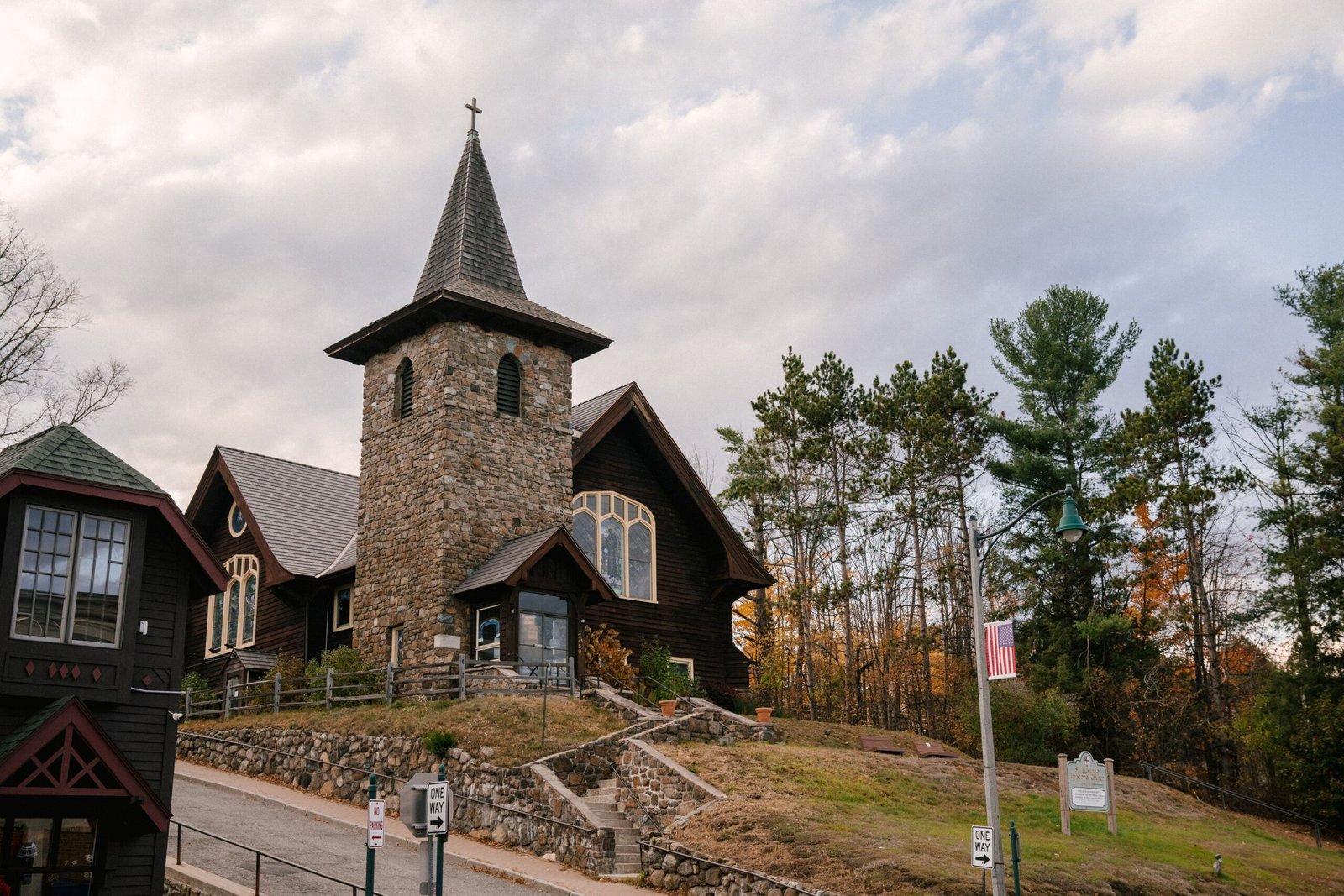
The Billy Graham Library is a popular Christian historical attraction in Charlotte, North Carolina, USA. It celebrates the life, ministry, and legacy of world-famous evangelist Billy Graham. Visitors from different countries come to explore his personal story, learn about his religious work, and discover how his message influenced millions of people around the world.
Whether you are planning your first visit, researching Billy Graham’s history, or looking for information about the library’s exhibits, this guide covers the important details. You will learn about its location, opening hours, admission, major attractions, visitor experience, and the history behind this well-known destination.
What Is the Billy Graham Library?
The Billy Graham Library is a multimedia visitor experience dedicated to the life, Christian faith, and worldwide ministry of evangelist Billy Graham. It is located on the property of the Billy Graham Evangelistic Association in Charlotte, North Carolina. Unlike a traditional library filled mainly with books, it combines historical exhibits, photographs, videos, personal belongings, and interactive displays.
The library officially opened on May 31, 2007, following a dedication ceremony attended by Billy Graham and several distinguished guests. Its central purpose is to share the Christian message that shaped Graham’s ministry and introduce visitors to his journey from a young farm boy to an internationally recognized preacher.
The building covers approximately 40,000 square feet and is designed to resemble a dairy barn, reflecting Billy Graham’s childhood and family background. Its cross-shaped entrance is another important architectural feature that represents the Christian message at the heart of the visitor experience.
Where Is the Billy Graham Library Located?
The Billy Graham Library is located at 4330 Westmont Drive, Charlotte, North Carolina 28217, United States. It is situated near Billy Graham Parkway and is easily accessible by car from major roads in the Charlotte area. Its location also makes it a convenient attraction for visitors exploring other destinations around the city.
Travelers can use GPS navigation or online maps to find the main entrance. The property provides free parking for cars, buses, recreational vehicles, and visitors who need accessible parking spaces. Visitors coming from outside Charlotte should check their travel route before departure to avoid unnecessary delays.
The library is built close to the area where Billy Graham grew up, making the location historically meaningful. Its landscaped grounds, peaceful surroundings, and carefully designed buildings create a welcoming environment for families, church groups, students, and history enthusiasts.
Billy Graham Library Hours and Admission Fees
One of the most attractive features of the Billy Graham Library is that general admission is free. Visitors can explore the main exhibits and take the Journey of Faith tour without purchasing an entrance ticket. The library is supported through donations, allowing people from different backgrounds to experience its historical and religious displays.
The regular opening schedule is Monday through Saturday, from 9:30 a.m. to 5:00 p.m. The library is closed on Sundays, Thanksgiving, Christmas Eve, Christmas Day, and New Year’s Day. Visitors should check the official website before traveling because special events, holidays, or maintenance can affect opening arrangements.
The last complete Journey of Faith tour begins at 3:30 p.m., so arriving earlier is recommended. Although admission is free, visitors are encouraged to make reservations, regardless of group size, to help the library prepare for their visit.
What Can You See Inside the Billy Graham Library?
The main attraction is The Journey of Faith, a self-guided experience that takes approximately 90 minutes to complete. It presents important moments from Billy Graham’s childhood, personal life, Christian faith, and international ministry through multimedia presentations, photographs, historical objects, and interactive displays.
Visitors can also explore exhibits organized around four central themes: The Man, The Message, The Ministry, and The Mission. These sections explain how Graham developed his religious beliefs, communicated the Gospel, organized evangelistic campaigns, and reached audiences across different countries.
Another interesting attraction is Billy Graham’s personal book collection, which includes more than 3,700 titles. Visitors can also discover historic photographs, ministry memorabilia, and displays highlighting important moments from his life. The experience provides historical information while explaining the religious purpose behind his work.
The Graham Family Homeplace, Prayer Garden and Other Attractions
The Graham Family Homeplace is one of the most meaningful places to explore during a visit. This restored childhood home is where Billy Graham lived from the age of nine until he left for college. It contains family photographs and personal items that offer a closer look at his early life and upbringing.
Another peaceful attraction is the Memorial Prayer Garden, where visitors can spend time reflecting and remembering important people connected with Graham’s ministry. The garden includes the burial sites of Billy Graham, his wife Ruth Bell Graham, and several longtime members of his evangelistic team.
Visitors can also stop at Ruth’s Attic bookstore, which offers Bibles, Christian books, gifts, and other inspirational items. The Graham Brothers Dairy Bar is another popular stop, serving sandwiches, salads, coffee, cookies, and ice cream. These additional attractions make the library experience more complete and enjoyable.
Special Events and New Exhibits at the Billy Graham Library in 2026
The Billy Graham Library hosts special programs and seasonal activities throughout the year. These events give returning visitors new opportunities to learn about Christian history, explore different aspects of Graham’s ministry, and participate in family-friendly experiences.
In February 2026, the library reopened with a new permanent section in The Journey of Faith highlighting Billy Graham’s statue in the United States Capitol. It also introduced a special exhibit called The Calling of an Evangelist, commemorating the 40th anniversary of the 1986 Amsterdam Conference for Evangelists.
Another major seasonal attraction is Christmas at the Library, scheduled for December 1–23, 2026. Visitors can enjoy a live nativity, horse-drawn carriage rides, Christmas lights, carolers, and festive refreshments. These seasonal activities offer families another reason to visit the library during the holiday period.
Tips for Planning Your Visit to the Billy Graham Library
Planning ahead can help you enjoy the Billy Graham Library without feeling rushed. Visitors should ideally allow two to three hours to explore the main exhibits, childhood home, prayer garden, bookstore, and dairy bar. Comfortable walking shoes are recommended because the experience involves standing and walking across different areas of the property.
Reservations are requested for all visitors, and groups should arrange their visit in advance. Photography is permitted inside the exhibit areas, but flash photography should be avoided. Visitors who need wheelchairs or strollers are encouraged to bring their own because availability may be limited.
It is also important to remember that personal food and beverages are not allowed on the property. Food and drinks can be purchased at the Graham Brothers Dairy Bar. Service animals are permitted inside the library, while pets must remain in the designated outdoor pet area.
Frequently Asked Questions About the Billy Graham Library
1. Where is the Billy Graham Library located?
The library is located at 4330 Westmont Drive, Charlotte, North Carolina 28217, USA. It is situated near Billy Graham Parkway and is accessible by car.
2. Is admission to the Billy Graham Library free?
Yes, general admission and the Journey of Faith tour are free. Visitors can also make optional donations to support the library’s activities.
3. What are the opening hours of the Billy Graham Library?
The regular hours are Monday through Saturday, 9:30 a.m. to 5:00 p.m. The library is closed on Sundays and selected public holidays.
4. How long does a visit take?
The main Journey of Faith tour takes approximately 90 minutes. Visitors should plan around two to three hours to explore the other attractions.
5. Can children visit the Billy Graham Library?
Yes, the library welcomes families and children. Its multimedia exhibits, historical displays, and family-friendly activities make it an interesting educational destination.
6. Do visitors need reservations?
The library requests reservations for all visitors, regardless of group size. Booking ahead is a helpful way to organize your visit.
Conclusion
The Billy Graham Library is more than a traditional historical attraction. It offers visitors an opportunity to explore the life, faith, and worldwide ministry of one of the most influential Christian evangelists of the modern era. From The Journey of Faith and the restored family home to the Memorial Prayer Garden and Ruth’s Attic, every part of the experience provides something meaningful to discover.
With free admission, convenient parking, informative exhibits, and special seasonal events, the library is a worthwhile destination in Charlotte, North Carolina. Whether you are interested in Christian history, family travel, or Billy Graham’s legacy, planning a visit can provide a memorable and educational experience.

CST Time is a commonly searched keyword by people who want to understand the meaning of CST, check the current time in the CST time zone, and learn how it differs from other international time zones. Whether you are scheduling an online meeting, contacting someone in another country, or planning international travel, understanding CST time can help you avoid confusion.
In this guide, you will learn what CST means, which countries use it, how to convert CST into other time zones, and the difference between CST and CDT. This article covers the important questions readers may have about CST time in 2026.
What Does CST Time Mean?
The full form of CST is Central Standard Time when referring to the North American time zone. It is used in parts of the United States, Canada, Mexico, and Central America. This time zone follows UTC−6, which means it is six hours behind Coordinated Universal Time (UTC).
For example, when the time is 12:00 PM in UTC, it is 6:00 AM in Central Standard Time. This time difference is important for people working with international companies, attending virtual meetings, or communicating with friends and family in North America.
It is important to understand that CST can have different meanings in different countries. In China, CST stands for China Standard Time, which follows UTC+8. Therefore, readers should always check the country or city before using a CST time conversion.
What Is the Current CST Time in 2026?
The current CST time depends on the location and whether that region follows daylight saving time. In North America, Central Standard Time is used during the standard-time period, generally from November until March. During this period, the time difference remains UTC−6.
In 2026, daylight saving time in most participating US regions ended on November 1, 2026. Clocks moved back by one hour, and the affected areas returned to Central Standard Time. As of November 14, 2026, these locations are observing CST rather than CDT.
To check the latest CST time, you can use an online world clock, smartphone clock, or reliable time-zone website. Search for Central Standard Time or the specific city, such as Chicago or Dallas, to avoid confusing it with another time zone that uses the same abbreviation.
Which Countries and Cities Use CST Time?
Central Standard Time is observed in several regions across North America. In the United States, it covers cities and areas in states such as Texas, Illinois, Wisconsin, Minnesota, Louisiana, and parts of other states. Popular cities in this time zone include Chicago, Dallas, Houston, and Minneapolis.
Canada also uses Central Standard Time in certain regions, including parts of Manitoba and surrounding areas. Mexico and some Central American countries also have regions that use Central Time, although local time-zone rules can differ.
Here are some well-known cities associated with the North American Central Time Zone:
Chicago, USA
Dallas, USA
Houston, USA
Minneapolis, USA
Winnipeg, Canada
Mexico City, Mexico
Not every location follows identical daylight saving rules. For accurate scheduling, it is better to check the individual city’s current time instead of assuming that every place using Central Time has the same seasonal clock changes.
CST vs CDT: What Is the Difference?
One of the most common questions about CST time is how it differs from CDT. Both abbreviations are associated with the North American Central Time Zone, but they are used during different parts of the year. Understanding this difference helps people avoid mistakes when arranging international appointments.
CST (Central Standard Time) is UTC−6, while CDT (Central Daylight Time) is UTC−5. CDT is generally used during daylight saving time, when participating regions move their clocks forward by one hour. CST returns when daylight saving time ends.
For example, if it is 10:00 AM UTC, the corresponding time is 4:00 AM CST or 5:00 AM CDT. The difference is only one hour, but it can affect business meetings, flight schedules, online events, and deadlines.
| Time Zone | UTC Offset |
|---|---|
| CST | UTC−6 |
| CDT | UTC−5 |
| EST | UTC−5 |
| MST | UTC−7 |
| PST | UTC−8 |
This table refers to the standard North American time-zone abbreviations and their respective offsets.
How to Convert CST Time to Other Countries
Converting CST time into another country’s local time is useful for international communication. The easiest method is to identify the UTC offset of both locations and calculate the difference. During North American standard time, Pakistan is 11 hours ahead of CST because Pakistan Standard Time follows UTC+5.
For example, when it is 8:00 AM CST, it is 7:00 PM in Pakistan on the same day. However, during the North American daylight saving period, the difference changes to 10 hours because Central Daylight Time follows UTC−5.
Here are some examples of time differences during North American standard time:
| Location | Time Difference from CST |
|---|---|
| Pakistan | 11 hours ahead |
| India | 11 hours and 30 minutes ahead |
| United Kingdom (GMT) | 6 hours ahead |
| New York (EST) | 1 hour ahead |
| Los Angeles (PST) | 2 hours behind |
| UTC | 6 hours ahead |
These examples assume the listed locations are observing the specified standard-time offsets. Seasonal clock changes can affect the differences, so always verify the date before scheduling an important meeting.
Why Is CST Time Important for Businesses and Daily Life?
CST time plays an important role in international business, remote employment, education, travel, and online communication. Many companies operate across different countries, making accurate time-zone information necessary for managing employees, customers, and business partners.
For example, a freelancer living in Pakistan who works with a company in Chicago needs to understand the 11-hour time difference during CST. Knowing the correct local time helps the freelancer attend meetings, submit assignments, and communicate professionally without missing deadlines.
CST is also useful for students attending online classes, travelers checking flight schedules, and people following international events. Using a world clock or calendar application with automatic time-zone conversion can make these activities much easier.
Another important consideration is that CST is an ambiguous abbreviation. It can refer to Central Standard Time in North America or China Standard Time in Asia. China Standard Time follows UTC+8 and is used throughout mainland China, making it very different from North American CST.
Frequently Asked Questions About CST Time
1. What is the full form of CST?
CST commonly stands for Central Standard Time in North America. However, it can also mean China Standard Time, depending on the country and context.
2. Is CST 6 hours behind UTC?
Yes. North American Central Standard Time follows UTC−6. However, during daylight saving time, participating regions use CDT, which follows UTC−5.
3. Is CST the same as Chicago time?
During standard time, Chicago follows CST. During daylight saving time, it follows CDT. Therefore, Chicago’s time-zone abbreviation changes throughout the year.
4. What is the time difference between CST and Pakistan?
During North American CST, Pakistan is 11 hours ahead. During CDT, Pakistan is 10 hours ahead.
5. Does China also use CST?
Yes. China uses China Standard Time (CST), which is UTC+8. It is eight hours ahead of Coordinated Universal Time and is different from North American Central Standard Time.
6. How can I check CST time online?
You can use a world clock, smartphone clock, or trusted time-zone website. Make sure you select the correct location, such as Chicago for North American Central Time or Beijing for China Standard Time.
Conclusion
CST time is an important time-zone reference for people who communicate, travel, study, or work internationally. Understanding its full form, UTC offset, daylight saving changes, and differences from other time zones makes international scheduling easier.
Remember that North American CST is UTC−6, while China Standard Time is UTC+8. Always confirm the location and date before converting time or arranging an important appointment. With the right time-zone information, you can avoid confusion and manage your daily activities more effectively.
Blog
Hickory Run State Park: Best Things to Do, Hiking Trails, Boulder Field, Camping, and Visitor Guide

Hickory Run State Park is one of Pennsylvania’s most beautiful outdoor destinations, offering scenic forests, fascinating geological attractions, peaceful lakes, waterfalls, and miles of hiking trails. Located in Carbon County in the western foothills of the Pocono Mountains, this large state park attracts nature lovers, families, photographers, and outdoor adventure enthusiasts.
Covering approximately 15,990 acres, Hickory Run State Park provides plenty of opportunities to explore nature and enjoy outdoor recreation throughout the year. Its most famous attraction is Boulder Field, a remarkable landscape filled with enormous rocks that has been designated a National Natural Landmark.
Whether you are planning a family day trip, a weekend camping adventure, or a peaceful nature walk, Hickory Run State Park has something worth exploring. This guide covers the best attractions, hiking trails, swimming areas, camping facilities, directions, and practical tips to help you plan your visit.
Where Is Hickory Run State Park Located?
Hickory Run State Park is located in Carbon County, Pennsylvania, USA, near the community of White Haven. It sits within the western Pocono Mountains region and offers visitors a combination of woodland scenery, freshwater streams, natural landmarks, and recreational facilities.
The park’s main address is 3 Family Camp Road, White Haven, PA 18661. It can be reached from Interstate 80 using Exit 274, followed by approximately six miles of travel east along Pennsylvania Route 534.
The park is within approximately one hour of Allentown, Scranton, and Wilkes-Barre, making it a convenient outdoor destination for visitors in northeastern Pennsylvania. Travelers coming from Philadelphia, Harrisburg, or New York City should generally allow two to three hours, depending on traffic and their starting point.
Best Things to Do at Hickory Run State Park
There are many activities to enjoy at Hickory Run State Park, making it an excellent destination for visitors with different interests. From exploring unusual rock formations to enjoying peaceful walks through wooded landscapes, the park offers a variety of outdoor experiences.
Some of the most popular activities include:
Explore Boulder Field: Discover an extraordinary landscape covered with massive rocks.
Go hiking: Explore scenic forest trails, streams, and natural waterfalls.
Enjoy swimming: Visit the designated sandy beach at Sand Spring Lake during its operating season.
Go fishing: Enjoy fishing opportunities in the park’s streams, lakes, and ponds.
Watch wildlife: Look for deer, birds, and other animals in their natural habitats.
Enjoy photography: Capture waterfalls, colorful autumn leaves, scenic landscapes, and unusual geological formations.
Go camping: Spend time outdoors at the park’s developed campground or designated group facilities.
These activities make Hickory Run State Park suitable for both short visits and longer outdoor vacations. Visitors can combine several attractions into one trip depending on their available time and interests.
Boulder Field: The Most Famous Attraction
Boulder Field is the signature attraction of Hickory Run State Park and one of the most unusual natural landscapes in Pennsylvania. It is an enormous, relatively flat area covered with large rocks, creating a striking contrast with the surrounding green forest.
The field measures approximately 400 feet wide and 1,800 feet long, and some individual boulders reach around 26 feet in length. This remarkable geological feature developed through ancient natural processes and has remained largely unchanged for thousands of years.
Visitors can reach Boulder Field by driving along a five-mile one-way dirt loop or by hiking designated trails. The Boulder Field Trail is approximately 3.5 miles one way, so visitors should consider the return journey when planning their walk.
Wear sturdy footwear because the rocks can be uneven and unstable. Moving, stacking, or removing rocks is prohibited, as preserving this National Natural Landmark is important for future generations.
Best Hiking Trails at Hickory Run State Park
Hiking is one of the main reasons people visit Hickory Run State Park. The park features approximately 44 miles of hiking trails, passing through forests, valleys, streams, and scenic natural areas.
Whether you are a beginner or an experienced hiker, you can find trails that match your fitness level. Some routes offer short nature walks, while others provide longer adventures through more challenging terrain.
Here are some popular trails worth considering:
Hawk Falls Trail: A short, approximately 0.6-mile loop leading to a beautiful 25-foot natural waterfall. The trail is rated more difficult because of its terrain.
Shades of Death Trail: A scenic one-mile out-and-back trail featuring shaded woodland, small cascades, and historic structures.
Boulder Field Trail: A more challenging 3.5-mile one-way hiking route that leads to the famous rocky landscape.
Nature Trail: An easy 0.4-mile loop where visitors can learn about local trees and plants.
Fireline Trail: A 2.4-mile out-and-back route offering scenic views of the Lehigh River and Lehigh Gorge.
Each trail provides a different outdoor experience, so choosing the right route depends on your available time and hiking ability. Remember that listed trail distances may be one-way, meaning you should account for the return journey when calculating the total distance.
Swimming, Fishing, and Family Activities
Hickory Run State Park is also a popular destination for families who want to enjoy outdoor activities together. Sand Spring Lake features a designated swimming area with a sandy beach, making it one of the park’s main summer attractions.
Swimming is permitted only in the designated area of Sand Spring Lake. The beach generally operates from late May through mid-September, between 8:00 a.m. and sunset, although visitors should check current seasonal information before traveling.
Fishing is another enjoyable activity, with opportunities available in several park waterways. Visitors can explore fishing locations around Hickory Run, Sand Spring Run, Mud Run, and other designated waters while following Pennsylvania fishing regulations.
Families can also enjoy picnicking, wildlife watching, educational programs, and nature photography. Accessible beach facilities, parking, and nearby restrooms help make the designated swimming area more convenient for visitors with accessibility needs.
Camping and Overnight Accommodation
Camping is a wonderful way to experience Hickory Run State Park beyond a single afternoon visit. The main campground provides tent and trailer sites in forested and more open areas, allowing visitors to enjoy the peaceful surroundings of the Pocono Mountains.
The campground generally operates from mid-April through mid-December. Many sites offer electrical hookups, while some provide full hookups with water, sewer, and electricity.
Facilities include warm showers, flush toilets, a sanitary dump station, and a camp store offering supplies and other essentials. The park also provides designated camping cottages and organized group camping options for eligible visitors.
In 2026, glamping opportunities are also being introduced through a partnership with Timberline Glamping. This provides another accommodation option for visitors interested in a more comfortable outdoor experience.
Reservations can be made through the Pennsylvania State Parks reservation system. Remember that the park has an active bear population, so food and scented items must be stored securely in vehicles when required by campground rules.
Best Time to Visit Hickory Run State Park
Hickory Run State Park is open throughout the year, making it possible to experience different landscapes and activities in every season. However, the best time to visit depends on what you want to do during your trip.
Spring brings fresh greenery, flowing streams, and pleasant conditions for exploring the hiking trails. It is a beautiful time for nature photography, although some trails may remain muddy after rainfall.
Summer is ideal for swimming at Sand Spring Lake, camping, fishing, and family picnics. The swimming beach is seasonal, so checking its opening dates before visiting is important.
Fall is especially attractive because the surrounding forests display colorful foliage. Mid-October is often a particularly beautiful period for enjoying autumn scenery and taking photographs.
Winter offers a quieter atmosphere and opportunities for snowshoeing and other winter recreation. However, Boulder Field’s access road may be closed because of ice and snow, and some trails can become slippery.
Park Hours, Entrance Information, and Visitor Tips
Planning ahead can make your visit to Hickory Run State Park more enjoyable. The park is open every day of the year from sunrise to sunset, while day-use areas close at dusk.
Visitors should remember that individual facilities have different operating seasons and schedules. For example, the swimming beach and campground do not remain open throughout the entire year.
Here are some useful tips before visiting:
Arrive early: Parking areas at popular trailheads can fill quickly, especially during weekends and peak seasons.
Download a park map: Mobile phone service can be unreliable in some areas of the park.
Wear suitable footwear: Hiking boots or sturdy shoes are useful for rocky and uneven trails.
Bring drinking water: Carry enough water and snacks for your planned activities.
Check weather conditions: Rain, snow, and ice can affect hiking routes and road access.
Follow park regulations: Respect wildlife, stay on designated trails, and avoid disturbing natural features.
For current alerts, facility schedules, and visitor information, check the official Pennsylvania DCNR website.
Frequently Asked Questions About Hickory Run State Park
1. Where is Hickory Run State Park located?
Hickory Run State Park is located in Carbon County, near White Haven, Pennsylvania, in the western foothills of the Pocono Mountains. Its main address is 3 Family Camp Road, White Haven, PA 18661.
2. What is Hickory Run State Park famous for?
The park is best known for Boulder Field, a remarkable geological landscape covered with enormous rocks. It is also popular for waterfalls, hiking trails, swimming, fishing, and camping.
3. Is Hickory Run State Park free to enter?
Pennsylvania state parks generally do not charge an admission fee for ordinary day use. However, camping, certain accommodations, and some organized activities may require reservations or payment.
4. Can you swim at Hickory Run State Park?
Yes. Swimming is permitted at the designated beach area of Sand Spring Lake. The swimming season generally runs from late May through mid-September, subject to posted conditions.
5. How many hiking trails are at Hickory Run State Park?
The park offers approximately 44 miles of hiking trails. Popular options include Hawk Falls Trail, Shades of Death Trail, Boulder Field Trail, and Nature Trail.
6. Can you camp at Hickory Run State Park?
Yes. The park offers tent and trailer campsites, cottages, and organized group camping facilities. The main campground generally operates from mid-April through mid-December.
7. How long does it take to explore Hickory Run State Park?
A short visit can cover one or two major attractions, such as Boulder Field or Hawk Falls. However, visitors interested in hiking, swimming, fishing, and sightseeing should consider spending a full day or arranging an overnight stay.
8. Is Hickory Run State Park open during winter?
Yes. The park remains open throughout the year from sunrise to sunset. However, some facilities and access roads operate seasonally, and winter weather may affect hiking and sightseeing conditions.
Conclusion
Hickory Run State Park is an outstanding destination for anyone who enjoys nature, outdoor recreation, and beautiful Pennsylvania landscapes. Its famous Boulder Field, scenic Hawk Falls, peaceful hiking trails, and Sand Spring Lake provide plenty of opportunities for memorable outdoor experiences.
Whether you want to explore unusual geological formations, spend time camping with family, photograph waterfalls, or enjoy a relaxing walk through the forest, this park offers something for different types of visitors.
With proper planning, suitable equipment, and an understanding of seasonal conditions, you can make the most of your visit. If you are exploring the Pocono Mountains, Hickory Run State Park deserves a place on your travel itinerary.


Chitty Chitty Film: Complete Guide to the Classic Movie, Cast, Story and Songs (2026)

Instructables: What It Is, How It Works, Best DIY Projects and Complete Beginner’s Guide (2026)

Billy Graham Library: History, Location, Hours, Tickets, Exhibits and Visitor Guide (2026)


 Blog3 months ago
0844 879 1719: Who Called Me and Is This Number a Scam in 2026?
- Celebrity5 months ago
Oona Gray Seppala: Everything You Need to Know About Sarah Rafferty’s Daughter
- Celebrity5 months ago
Judy Helkenberg: Biography, Early Life, Career, Personal Journey, and Legacy
- Tech3 months ago
Get in Touch on TurboGeek.org: Complete Contact and Support Guide for 2026
- News5 months ago
Carl Ellan Kelley: The Untold Story, Biography, Family, and Legacy
- Business2 months ago
Riches in the Shadows: Complete 2026 Guide, Story, Meaning, and Where to Watch
- Business4 months ago
Business Ftasiastock: The Complete 2026 Guide to Market Intelligence, Business Trends, and Financial Insights
- Entertainment2 months ago
How to Breakcore on BandLab: A Complete 2026 Guide